Watch Ayahuasca: Expansion of Consciousness (2018) Online Free
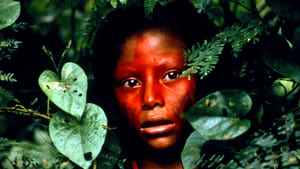
The story of Ayahuasca, from its emergence in the Amazonian Forest, to its popularity with the Santo Daime religion, and on to its arrival in urban centres. Combining scientific, religious and anthropological perspectives on the use of Ayahuasca in modern society, and in parallel with the director own healing process, for the first time, a holistic, yet balanced view of this controversial subject.
Cast
Leo Artese, Luís Fernando Tófoli, Putany Yawanawá, Eduardo Schenberg
More Like This
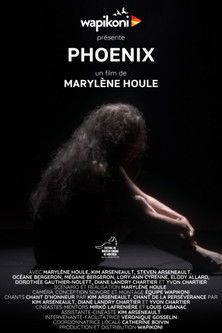
Phoenix
With its moving personal approach, careful artistic direction, and inspired sound design, this skillfully symbolic work embodies the importance of transmission.
2024
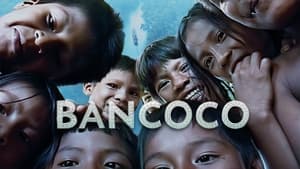
Bancoco
A New Yorker journeys to the jungle in the Darien Gap of Panama to reconnect with an indigenous tribe he met and photographed 20 years ago. Their reunion highlights the profound power of photos and the human connection that transcends cultural barriers.
2023
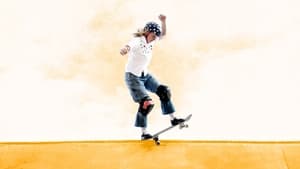
Tall Poppy: A Skater's Story
A child who just loved to skate from the age of eight, Poppy Starr Olsen became the number one female bowl skater in Australia at 14 and went on to take out bronze at the XGames at 17 - the ultimate competition in the world of skateboarding. The same year, skateboarding was announced as an official additional sport category at the Tokyo 2020 Olympics. Now faced with the opportunity to represent Australia on the world stage Poppy grapples with the transition from skater to athlete and the pressure of competition mounts in a way it has never done before.
2021
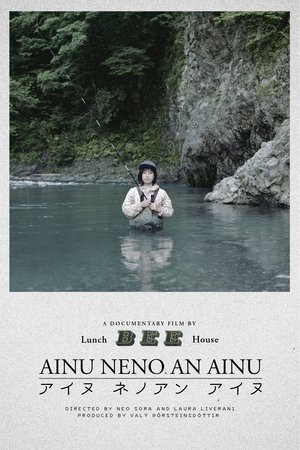
Ainu Neno An Ainu
This documentary started as part of a photography project about the indigenous Ainu population in northern Japan, portraying people from tightly knit communities. They feel deeply connected by their culture and tradition. With gorgeous pictures, the directors explore how different generations of Ainu reflect on their identity after centuries of oppression.
2021
Sepultura Endurance
The long awaited documentary about Sepultura's incredible journey from Brazil to the world.
2017
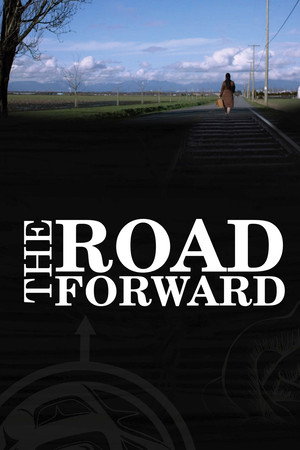
The Road Forward
The Road Forward is an electrifying musical documentary that connects a pivotal moment in Canada’s civil rights history—the beginnings of Indian Nationalism in the 1930s—with the powerful momentum of First Nations activism today. Interviews and musical sequences describe how a tiny movement, the Native Brotherhood and Sisterhood, grew to become a successful voice for change across the country. Visually stunning, The Road Forward seamlessly connects past and present through superbly produced story-songs with soaring vocals, blues, rock, and traditional beats.
2017
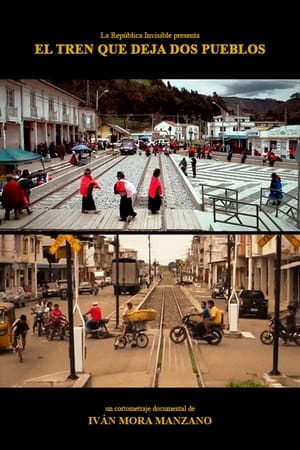
Train leaves two towns
In Ecuador, in a single day, the train passes from the mountainous Andes to the tropical coast. The roads were built between 1861 and 1908 to connect the country. Until this date, the two regions live as separate countries, although the roads connect them in less than a day. The film is an observational work that talks about space and collective memory.
2016
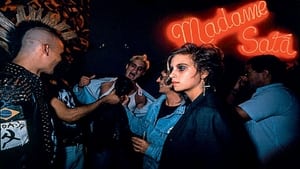
Uma Nova Onda de Liberdade: A História do Madame Satã
In operation to this day, the mansion known as Madame Satan began its activities in 1983, and in the 1980s was the main hub of avant-garde artists of the city, from which came out disparate and essential names for music, performing arts, visual arts, journalism, photo and video of Sao Paulo, as well as mythical characters of the night of São Paulo who made history with their absurd and impactful performances.
2015
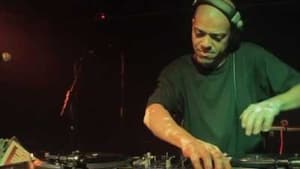
O Rap Pelo Rap
To do this documentary, the director Pedro Henrique Fávero featured 42 characters - among MCs, DJs and producers - to make a detailed map of its kind in the country. Without mincing words, they speak openly here about 8 topics proposed by the film and try to understand Hip Hop in Brazil. The result is a collection of stories from a lot of fighting, where there are many eternal start-end-start, overcoming the difficulties of being understood and feeling of belonging to a group and many clichés.
2014
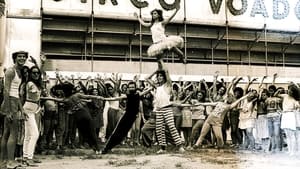
A Farra do Circo
This documentary highlights the evolution of Brazil's Circo Voador venue from homespun artists' performance space to national cultural institution.
2013
Reparation
In 1968, Orlando Lovecchio was made victim of a guerilla's bomb terrorist attack, which main objective was to fight against the Military Regime. Orlando lost one leg after the world-reckoned attack against the U.S. Consulate in Sao Paulo.
2010
Monumento a Uruçumirim
Manifesto of the Pataxó tribe, with the testimony of the chief José Guajajara, in front of the Monument to Estácio de Sá, where the Tamoios massacre took place in 1567, on the coincident day that celebrates the foundation of the city of Rio de Janeiro, 20 January.
2009
Brazillians Like Me
The encounter with a growing, and mostly undocumented, brazilian community allows us to bear witness to its energy, its vivacity, and its diversity. This film attempts to work for a larger acceptance of foreigners in their land of exile.
2008
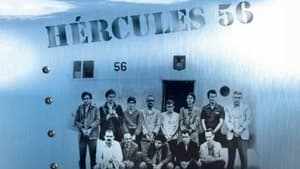
Hércules 56
Documentary featuring contemporary interviews with 5 of the revolutionary activists who kidnapped US ambassador Charles Embrick in August 1969 in Rio de Janeiro and some of the political prisoners who were freed from prison in exchange of the ambassador's liberty and flown out of Brazil to Mexico in an army cargo airplane "Hércules 56".
2006

We Feed the World
A documentary that exposes the shocking truths behind industrial food production and food wastage, focusing on fishing, livestock and crop farming. A must-see for anyone interested in the true cost of the food on their plate.
2005
Além do que se Vê
2004
Don Emilio and His Little Doctors
Don Emilio is a humble, 63-year-old man who lives in the Amazon rainforest, seven miles from the city of Iquitos, Peru. For all of his adult life he has worked as a curandero and vegetalista, a traditional healer. He estimates that in his career he has treated more than 2,500 clients. Through the camera lens of anthropologist Luis Eduardo Luna, Don Emilio tells us about his practice, his beliefs, his community, and his life. He shows us how he prepares ayahuasca and other herbal medicines. Finally, we see Don Emilio treat a man who has come to him for help, and hear from a poor woman who has brought her infant son for medical care.
1982
Filhos de Macuinaíma
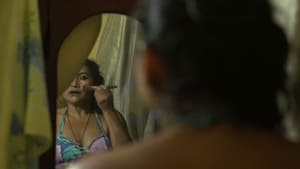
Documentary about the life of three families living in the city of Boa Vista, north of Brazil. Some of them look for a more intense daily life going to parties, work and dealing with family trouble, others want to get back to the tribe. Personal crises and the search for their own identity are aspects that reveal great relevance.
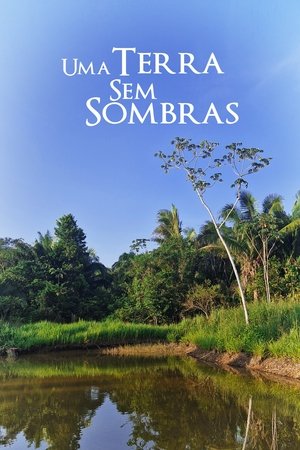
A Land Without Shadows
The Guarani people have searched for a land without shadows for a hundred years. The beauty in their home is precious and undeniable, but climate change threatens to ruin this special place.
Baraka
A paralysingly beautiful documentary with a global vision—an odyssey through landscape and time—that attempts to capture the essence of life.
1992