Watch Alaska Far Away (2008) Online Free
Loading Cinehub...
'Alaska Far Away' tells the story of the Matanuska Colonization Project of 1935, a creative and controversial New Deal program that relocated 202 families devastated by the Great Depression, taking them from the upper Midwest to the Matanuska Valley in Alaska to start an experimental farming colony. It generated a whirlwind of publicity and controversy at the time, not only as a federally-funded social experiment, but also as one of the last pioneer movements in America. The Matanuska Colony isn't just a fascinating footnote to the history of Alaska. It encompasses the despair of the Depression, the creative energy of the New Deal, the adventure of pioneering in Alaska, and the best and worst of our government and ordinary citizens in facing those extraordinary challenges.
Cast
Peter Coyote
More Like This
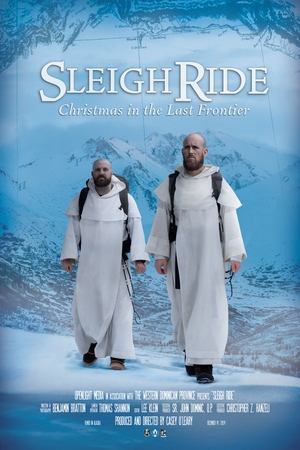
Sleigh Ride
It’s Christmas in Alaska, but a sparsely populated state means a scarce amount of priests. From Christmas eve to Christmas day, two Dominicans traverse icy roads and harsh winds to celebrate Christmas mass for 3 remote communities in the last frontier.
2024

Alaska, au pays des glaciers
2024

That is the Silence
You must once in a while uproot yourself from the daily routine to better see what doesn’t serve you anymore - not to run away from but to get closer to yourself.
2023

The Wild
Newly into addiction recovery, an urgent threat emerges to spur filmmaker, Mark Titus back to the Alaskan wilderness - where the people of Bristol Bay and the world's last intact wild salmon runs face devastation if a massive copper mine is constructed.
2019
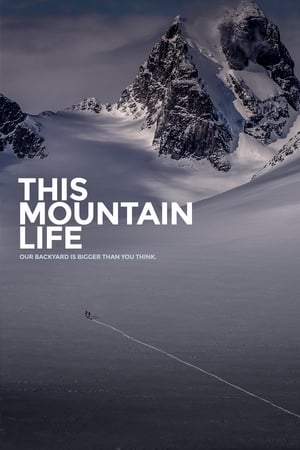
This Mountain Life
A daughter and her 60-year-old mother embark on a 6 month, 2,300-kilometre ski trek through British Columbia’s rugged terrain.
2018
Back in My Body
BACK IN MY BODY is a short documentary about musician Maggie Rogers returning to Alaska, a place that has had a huge impact on her life.
2018
For the Rights of All: Ending Jim Crow in Alaska
In 1867, when the United States purchased the Alaska territory, the promise of the Constitution and the Bill of Rights didn't apply to Alaska Natives. Their struggle to win justice is one of the great, untold chapters of the American civil rights movement, culminating at the violent peak of World War II with the passage of one of the nation's first equal rights laws.
2009

Touching The Game Alaska
Alaska may be best known as the land of moose, bears and intense winters, but few know about the hidden jewel that is the Alaska Baseball League. For the first time on film, Touching The Game Alaska takes a captivating inside look at this fascinating institution and its incredible history as a proving-ground for more than 500 Major Leaguers and Hall of Famers like Tom Seaver and Dave Winfield, many of whom appear in the film. This feature length documentary is highlighted by superb baseball, stunning imagery and humorous anecdotes, from planes crashing on fields during games to bear encounters to salmon fishing misadventures to the more than century old tradition of the Midnight Sun Game. Four years in the making, the film not only showcases baseball played in a place where the summer sun never sets, but also gives insight into the colorful, rugged and fiercely independent people of this frontier land.
2009
The Last Days of Shishmaref
Shishmaref is a community of about 600 people, located on an island just off the west coast of Alaska. The effects of global warming threaten the very existence of these people- so much that the entire population needs to be relocated off the island within 10 years. They have become the first tangible victims of the worldwide climate changes. The project exists of several components; exhibition, book, film, website, and educational program. In the documentary Jan Louter depicts the impending end of the traditional lifestyle on the island of Shishmaref trough the lives of three Inupiat families. Despite the alarming situation, the film has not become a political manifesto. The Last Days of Shishmaref is a moving film about identity, transience, mortality, and the clash between different eras and cultures.
2008
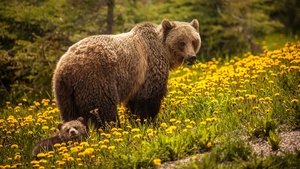
Bear Island
The majestic Alaskan brown bear is the largest predator in southeastern Alaska, but everywhere, its ancient haunts are under siege. As the modern world closes in, the great bear’s world is shrinking and encounters between humans and bears are on the rise. Join researcher LaVern Beier as he uses cutting edge technology to protect this extraordinary species. To observe them on their turf, without risking life and limb, LaVern attempts to deploy National Geographic’s CRITTERCAM. Until now, CRITTERCAM has been used almost exclusively on marine animals. Vern and his colleagues are on the cusp of a revolution in terrestrial field science…the opportunity to vicariously walk with bears into the deepest corners of their habitats, where even great hunters barely dare venture.
2007
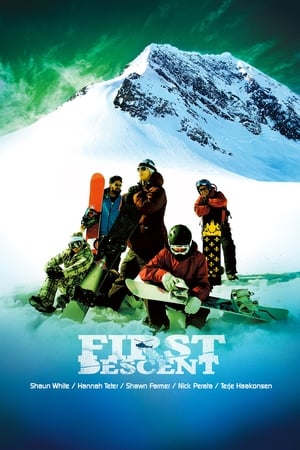
First Descent
First Descent is a 2005 documentary film about snowboarding and its beginning in the 1980s. The snowboarders featured in this movie (Shawn Farmer, Nick Perata, Terje Haakonsen, Hannah Teter and Shaun White with guest appearances from Travis Rice) represent three generations of snowboarders and the progress this young sport has made over the past two decades. Most of the movie was shot in Alaska.
2005
Grizzly Man
Follows the story of "Grizzly Man" Timothy Treadwell and what the thirteen summers in a National Park in Alaska were like in his attempt to protect the grizzly bears. The film is full of unique images and a look into the spirit of a man who sacrificed himself for nature.
2005
Alaska: Spirit of the Wild
Alaska... Here, in this vast and spectacularly beautiful land teeming with abundant wildlife, discover the "Spirit of the Wild." Experience it in the explosive calving of glaciers, the celestial fires of the Aurora Borealis. Witness it in the thundering stampede of caribou, the beauty of the polar bear and the stealthful, deadly hunt of the wolf pack.
1998
Alaska's Great Wilderness Denali: The Living Edens
Travel to Alaska's great wilderness, a place of incomparable beauty and power where you will witness close-up the amazing cycles of life in one of the last pristine corners of our planet Earth. Soar over Mt. McKinley, the tallest people in North America, crown jewel of the vast Alaska range, piercing clouds nearly four miles high. Explore the vibrant territory beneath this stunningly beautiful mountain. Watch caribou roam the plains, listen to the haunting howl of the wolf, witness the flight of the majestic golden eagle, meet a mother grizzly and her two cubs as they emerge from winter's hibernation. You'll be swept up in the drama and beauty of this unique wilderness and you'll enjoy for many years to come its unforgettable scenery.
1997

The Land is Ours
The Tlingit and Haida people of Alaska were confused by the idea of America “buying” the land they lived on from the Russians. They would be among the first native people to make a successful claim on their homeland and rights.
1997
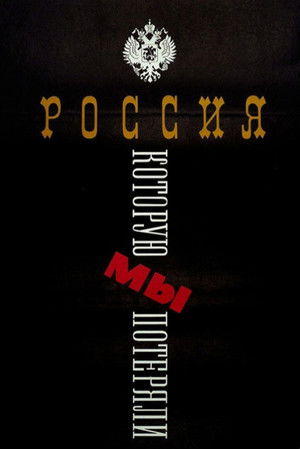
The Russia We Lost
The sequel of feature-publicistic film «You Can’t Live Like That». Showing the countrymen charmless and sometimes scaring life picture of once great power with pain and anger, the author tries to uncover the reason of the country’s and nation’s tragedy.
1992
Giant Bears of Kodiak Island
Even in a spot as remote and wild as Alaska's Kodiak Island, the struggle between man and nature continues. Wildlife filmmaker Wolfgang Bayer presents this tug-of-war from both the human and bear perspective. Taking viewers inside a Kodiak bear's den and providing an inside glimpse of the great carnivore's daily life, Bayer reveals the bears' fight for survival in the face of a shrinking habitat and often tragic encounters with humans.
1992
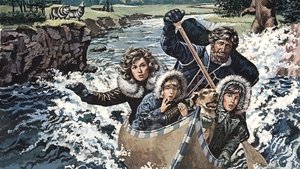
The Alaska Wilderness Adventure
A family decides to move to the most remote place they can find and live for as long as they can. This is the true story of a family living off the land in remote Alaska with no modern tools or 'luxuries' (except a movie camera!). This documentary is a year in their life.
1978

Alaskan Sled Dog
The story of an Eskimo father and son who train and groom a sled dog team. When the father is lost on an ice floe, the son takes the unproven team on the search, and succeeds in finding his father.
1957
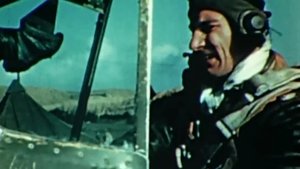
Report from the Aleutians
A documentary propaganda film produced by the U.S. Army Signal Corps about the Aleutian Islands Campaign during World War II. The film opens with a map showing the strategic importance of the island, and the thrust of the 1942 Japanese offensive into Midway and Dutch Harbor. Nominated for the Academy Award for Best Documentary Feature.
1943