Watch A State of Passion (2024) Online Free
A feature-length documentary film by Carol Mansour and Muna Khalidi. After 43 horrific days working round the clock under constant bombardment in the emergency rooms of Gaza’s Al Shifa and Al Ahli hospitals, British-Palestinian reconstructive surgeon, Dr. Ghassan Abu Sittah, emerged to find himself as a face of Palestinian resistance.
Cast
Ghassan Abu-Sittah, Salman Abu Sittah, Swee Chai Ang, Hamza Abu Sittah, Carol Mansour
More Like This
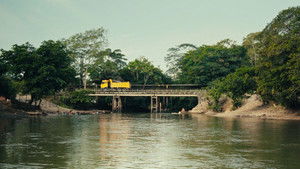
buen vivir – ñutse canseye
Oil extraction in the Amazon region is contaminating the land and water of a natural paradise. A slow process that threatens the health and traditional culture of local communities. Thirteen women raise their voices against the destruction of their land. Through protests and silent resistance, they confront an opaque global power structure.
2025

America's War Against Women
In America women can go to jail for their husbands’ crimes, men are allowed to marry ten-year-olds, and abortions in some states are illegal, even in cases of rape. Documentary filmmaker Brice Lambert journeys through the American South and meets women who are at the receiving end of the attack on women’s rights since Donald Trump’s return to power.
2025
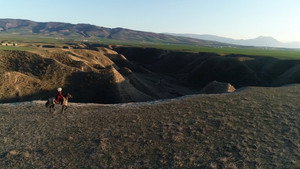
BASHLA
Bashla tells the story of Naeem, a Turkmen man who moves to Tehran but returns to his village. Struggling between tradition and modernity, he becomes an advocate for preserving his people’s heritage.
2024
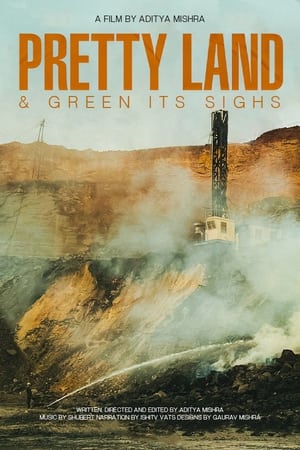
Pretty Land And Green Its Sighs
A short anecdotal documentary about the nature of destruction, a debilitating deadlock of humanity.
2024

Abo Jabal
It is May 8, 2024, and Israel is preparing to launch a destructive military operation in Rafah. Tahani, a Palestinian woman who has been internally displaced multiple times since the beginning of the attacks on Gaza, wonders where she and her children can find refuge once again. The film provides a glimpse into her family’s life before and after October 7, depicting the anguish of a mother who, marked by a painful loss, struggles to find peace.
2024
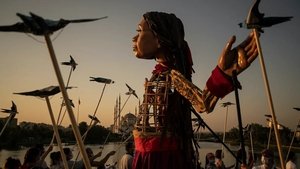
The Walk
Asil is a young Syrian refugee awaiting documents in Turkey while processing the trauma of losing her home and family. Her story gives voice to a charming gigantic puppet named Amal, who represents millions of migrant and displaced children in a walk from the Syrian border in Turkey all the way across Europe. Escorted and animated by a group of puppeteers who are themselves refugees, Amal’s epic journey is one of compassion and discovery.
2023

Divergente
2023

Liturgy of Anti-Tank Obstacles
Reality in Ukraine was divided into two periods - before the war and after. Every citizen tries to be useful in this national resistance. Ukrainians change their professions and adapt to the needs of wartime. In art workshops, sculptors make anti-tank obstacles. Silent figures of Ukrainian figures, angels, Cossacks and multiple copies of Jesus Christ, like a terracotta army, froze in anticipation of new creations. Masters weld metal defenses for the Armed Forces of Ukraine.
2022

Putin's Obsession: The Fight For Ukraine
A profile of Putin, exploring his complicated relationship with Ukraine. Why does this neighbouring nation threaten his power and identity?
2022
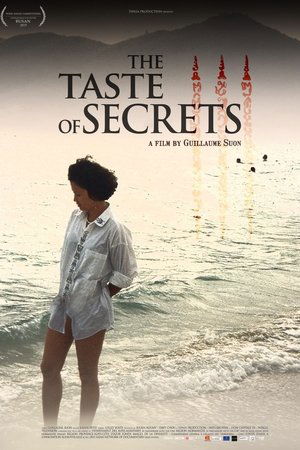
The Taste of Secrets
My mother always refused to speak about her childhood during the Cambodian genocide. Upset by her silence, my brother and I decide to follow Antoine, a grandson of Armenian genocide survivors, photographing the ghosts of his ancestors in the Middle East.
2020
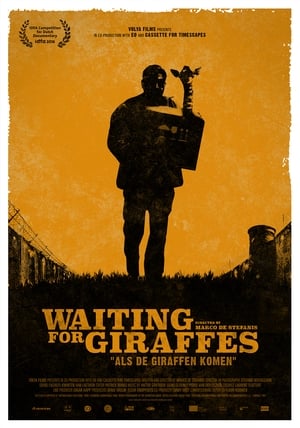
Waiting For Giraffes
After two intifadas and the construction of the Israeli wall, the only Palestinian zoo is still there and is now seeking for international recognition and to replace their lost giraffes.
2016

The Day Israel Attacked America
Al Jazeera investigates the shocking truth behind a deadly Israeli attack on a US naval vessel during the 1967 Arab-Israeli Six-Day War. The unprovoked action against the surveillance vessel USS Liberty, in which 34 were killed and 171 wounded, is recounted by those who were there and those who investigated it. Was it a case of mistaken identity?
2014
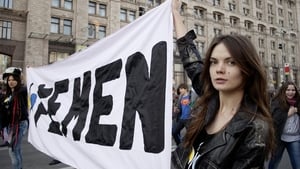
I Am FEMEN
Oxana is a woman, a fighter, an artist. As a teenager, her passion for iconography almost inspires her to join a convent, but in the end she decides to devote her talents to the Femen movement. With Anna, Inna and Sasha, she founds the famous feminist group which protests against the regime and which will see her leave her homeland, Ukraine, and travel all over Europe. Driven by a creative zeal and a desire to change the world, Oxana allows us a glimpse into her world and her personality, which is as unassuming, mesmerising and vibrant as her passionate artworks.
2014

Jerusalem Cuts
One war, ten days, three stories: the Old City of Jerusalem, at the dawn of a new Middle East. For the Brits, it’s the shameful end of 30 years Mandate. For the Jews, it’s the birthday of their State. And for the Palestinians, it’s a catastrophe. Only now, 60 years later, images can be shown from three opposing points of view, telling a whole new story.
2008
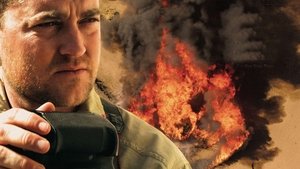
The Devil Came on Horseback
While serving with the African Union, former Marine Capt. Brian Steidle documents the brutal ethnic cleansing occuring in Darfur. Determined that the Western public should know about the atrocities he is witnessing, Steidle contacts New York Times reporter Nicholas Kristof, who publishes some of Steidle's photographic evidence.
2007
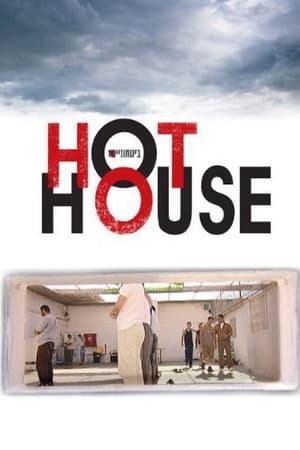
Hot House
In a candid and unflinching portrait of Palestinian prisoners, Shimon Dotan takes viewers inside the highest security prisons in Israel where thousands of Palestinians fill these detention facilities.
2006
Why We Fight
Is American foreign policy dominated by the idea of military supremacy? Has the military become too important in American life? Jarecki's shrewd and intelligent polemic would seem to give an affirmative answer to each of these questions.
2005
Visit Palestine
What drives a young, well-educated Westerner to volunteer as a “peace activist” in the Middle East? Caiomhe Butterly is one of a growing number of volunteers who risk their own safety to intervene in the long-running and bloody conflict between Israel and Palestine. Several internationals, including her, have now been injured. Some have died. In this film, she describes witnessing the aftermath of the attack on Jenin in April 2002. The film follows her work, the main emphasis being “the accompaniment of communities at risk”. Despite being threatened, shot in the leg and deported later that year, she is determined to go back.
2005
War Photographer
Documentary about war photographer James Nachtwey, considered by many the greatest war photographer ever.
2001
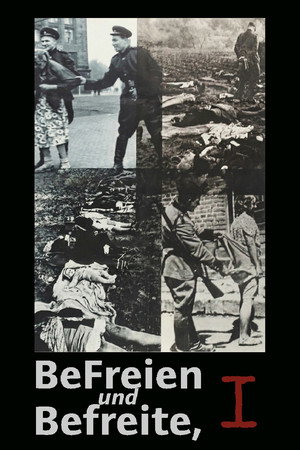
Liberators Take Liberties, part 1
Based on years of research into the mass rapes committed by the Red Army at the end of the Second World War. In the first part of the documentary Helke Sander interviews multiple German women who were raped in Berlin by Soviet soldiers in May 1945. Most women never spoke of their experience to anyone, after 46 years of silence they talk for the first time publicly about their violent experiences that have left such a mark.
1992