Watch 1925 Studio Tour (1925) Online Free
A tour of the Metro-Goldwyn-Mayer Studio in 1925 shows the people who make the movies there, and gives viewers a glimpse at how movies are made.
Cast
Carey Wilson, Howard Hawks, Victor Sjöström, Monta Bell, Josef von Sternberg, Erich von Stroheim, King Vidor, Fred Niblo, Tod Browning, William A. Wellman, Ramon Novarro, Claire Windsor
More Like This
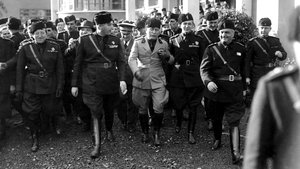
Cinecittà, de Mussolini à la Dolce Vita
Cinecitta is today known as the center of the Italian film industry. But there is a dark past. The film city was solemnly inaugurated in 1937 by Mussolini. Here, propaganda films would be produced to strengthen the dictator's position.
2021
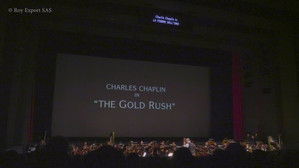
Watch the Tempo
On 18th of December 2017, the Filarmonica Teatro Regio Torino, directed by Timothy Brock, presented "The Gold Rush" by Charles Chaplin, with live performance of the soundtrack. But let's go back a few days: this short film takes us in the backstage of the concert!
2018
Popsong
The world appears black on black until it separates from itself, looks at itself, includes itself, and sees colour.
2016
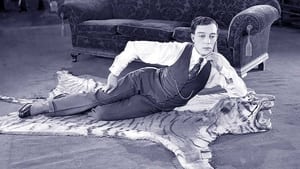
Buster Keaton: The Genius Destroyed by Hollywood
In 1926, Buster Keaton was at the peak of his glory and wealth. By 1933, he had reached rock bottom. How, in the space of a few years, did this uncontested genius of silent films, go from the status of being a widely-worshipped star to an alcoholic and solitary fallen idol? With a spotlight on the 7 years during which his life changed, using extracts of Keaton’s films as magnifying mirrors, the documentary recounts the dramatic life of this creative genius and the Hollywood studios.
2016
Los 5 Faust de F. W. Murnau
2002
Convalescing
“Convalescing, when you don't have to participate in the world. Time to read, to dream, to look - the blue, the light of the television, the blue, the book, the patterns the light, the blue. Time to appreciate how much that really is.”
2000
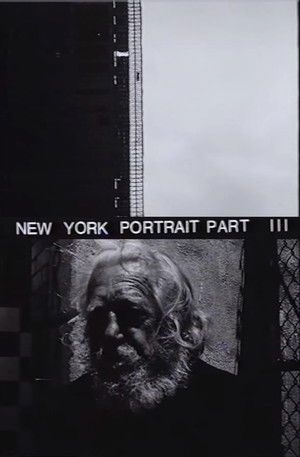
New York Portrait, Chapter III
"[Hutton’s] latest urban film, New York Portrait, Chapter III, takes on a unique tone in relation to Hutton’s ongoing exploration of rural landscape. The very fact that Hutton is dealing with older footage, with archives of memory more than immediacy, gives it a different texture than his earlier New York films. Hutton always found the presence of nature in the city, not only in his many shots of sky and vegetation, but also in the geometry and texture of the city itself, which seemed to project an independence from the human." (Tom Gunning)
1990
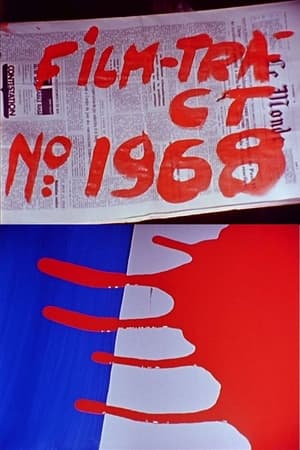
Film-Tract n° 1968
In the 1968 movement in Paris, Jean-Luc Godard made a 16mm, 3-minute long film, Film-tract No.1968, Le Rouge, in collaboration with French artist Gérard Fromanger. Starting with the shot identifying its title written in red paint on the Le Monde for 31 July 1968, the film shows the process of making Fromanger’s poster image, which is thick red paint flows over a tri-color French flag. —Hye Young Min
1968
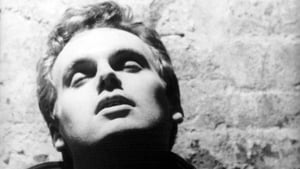
Blow Job
Andy Warhol directs a single 35-minute shot of a man's face to capture his facial expressions as he receives the sexual act depicted in the title.
1964
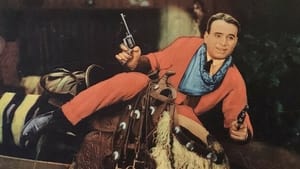
Days of Thrills and Laughter
An appreciative, uncritical look at silent film comedies and thrillers from early in the century through the 1920s.
1961
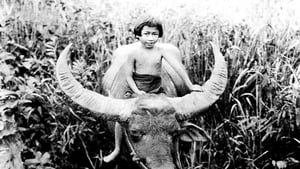
Chang: A Drama of the Wilderness
Elephants disrupt the lives of a family deep in the jungles of Northern Siam, and an entire village.
1927
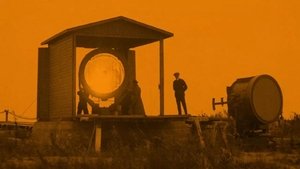
Finlandia
A documentary from Erkki Karu, one of the earliest pioneers of Finnish cinema: This government-produced propaganda film introduces the nature, sports, military, agriculture and capital of Finland.
1922
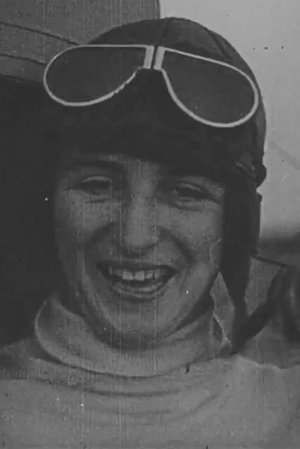
Girl Without Nerves
Topical Budget 545-2. Newsreel of the 1920s aerial stuntwoman and barnstormer, Sara “Babe” Kalishek. We see her on the ground at first, standing in front of a plane before we see her wing walking on a plane in flight, then climbing from one plane onto the wing of another.
1922
Amazon: Longest River in the World
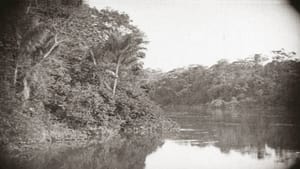
Documentary by Portuguese Silvino Santos, about the Amazon, its flora, fauna, its inhabitants and among other wonderful images from the beginning of the 20th century with alternating close-up shots of caimans, jaguars and tropical flora with footage of Indigenous rituals--including some of the earliest known moving images of the Indigenous Witoto people--and longer sequences showcasing the region’s extractive industries: rubber, the Brazil nut, timber, fishing, even the egret feathers that were a staple of women’s fashion at the time.
1918
Den Sidste Stump Af Østervold Graves Bort For At Give Plads Til Boulevardbanen
The remains of the Baltic Violence have been eroded away by the large steam excavator. There is a man standing at the railway cutting as trains pass. He throws something into the railway cutting. This person is seen in several of the recordings from 1913. It may be journalist Anker Kirkeby.
1913
Hestesporvognen ("Hønen") Gennem Nørregade
The horse-drawn tram "Hønen" comes running along Nørregade and into the Old Square. "Hønen"'s last trip was on June 14, 1915.
1913
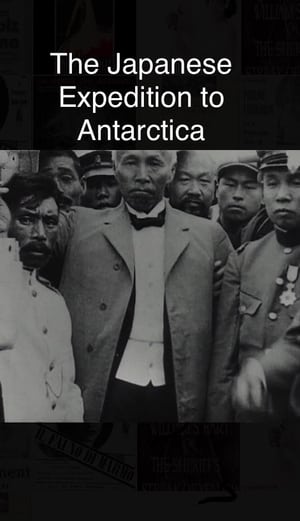
Japanese Expedition to Antarctica
Footage shot during Japanese Army Lieutenant Nobu Shirase’s second Antarctica expedition.
1912
The Strength and Agility of Insects
A short, early documentary work showing insects exhibiting extreme strength and agility.
1911
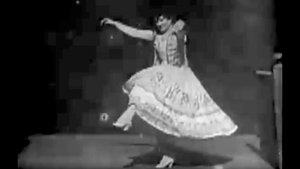
Carmencita
The first woman to appear in front of an Edison motion picture camera and possibly the first woman to appear in a motion picture within the United States. In the film, Carmencita is recorded going through a routine she had been performing at Koster & Bial's in New York since February 1890.
1894
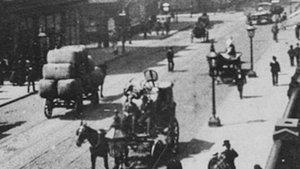
Traffic Crossing Leeds Bridge
A film by Louis Aimé Augustin Le Prince, shot in late October 1888, showing pedestrians and carriages crossing Leeds Bridge.
1888