Watch Z Channel: A Magnificent Obsession (2004) Online Free
A documentary on the Z Channel, one of the first pay cable stations in the US, and its programming chief, Jerry Harvey. Debuting in 1974, the LA-based channel's eclectic slate of movies became a prime example of the untapped power of cable television.
Cast
Quentin Tarantino, Robert Altman, Jim Jarmusch, Paul Verhoeven, Alexander Payne, James Woods, Henry Jaglom, Jacqueline Bisset, Kris Kristofferson, Theresa Russell, Vilmos Zsigmond, Penelope Spheeris
More Like This

The Ringleader: The Case of the Bling Ring
In a candid, first-time interview with Rachel Lee, the so-called teenage mastermind behind a string of high-profile celebrity robberies in 2008 and 2009, the film examines the motivations of Lee and a group of her friends who broke into celebrity homes in Hollywood to ransack and steal, exploring the possible reasons behind her actions including mental health issues and addictions, as well as the climate of celebrity excess that fueled the teens, recontextualizing the events behind the sensational headlines.
2023

Lady Gaga - Encore
Gaga has travelled through time with her ever changing sound, reinventing herself for every album, award ceremony and red carpet. With a strong fan base behind her, she continues to reign as one of the biggest pop stars of the industry.
2020
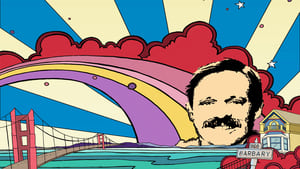
The Untold Tales of Armistead Maupin
The Untold Tales of Armistead Maupin celebrates one of the world’s most beloved storytellers, following his evolution from a conservative son of the Old South into a gay rights pioneer whose novels inspired millions to reclaim their lives.
2017
The Cloud Forest
A small community in Veracruz is the guardian of one of the ecosystems facing the most risk: the cloud forest. By redesigning their needs, education and relationship with other people and with nature, they search for a simpler and sustainable life.
2017

Modern British Slavery
Explores the rise of modern slavery in the UK, giving a portrait of the dark world of forced labor through the eyes of the people involved.
2017
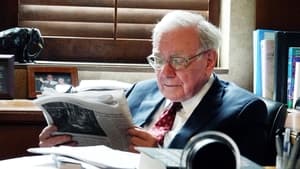
Becoming Warren Buffett
The story of the evolution of a boy from Nebraska who became one of the most respected men in the world, and the heroes who helped guide him along the way. By allowing access to his life and never-before-released home videos, Buffett offers a glimpse into his unique mind to help us understand what is truly important when money no longer has meaning.
2017

Making of KAMEN RIDER GAIM : Soccer Grand Final! Golden Fruit Contest! Hero Japan's National Team Summer
Making-of DVD for a film of tokusatsu series "Kamen Rider Gaim" starting to be shown at theaters from July 2014. Includes a documentary of the shooting scenery and interviews with staff and cast. Was included as a Bonus disc with Blu-ray version of the film. Complete recording of the filming site of the movie that you can't miss!/Full recording of the filming site of "Theatrical version Kamen Rider Gaim Soccer Great Decisive Battle! Golden Fruit Scramble!" released in July 2014! and interviews with guest cast members such as Masafumi Nakayama and Ainosuke Kataoka!! / Release the making video that will definitely make the movie more interesting than anywhere else!
2014
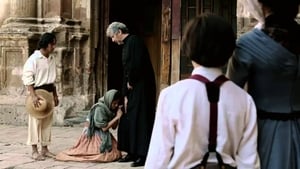
Orphans
Orphans is the true story of a forbidden love affair set in the oppressive and violent atmosphere of nineteenth century Mexico. One man, Melchor Ocampo, driven by the twin passions of love and idealism, defies the stain of illegitimacy to shake off the crippling yoke of Spain and the Catholic Church. In so doing he becomes a founding figure of modern day Mexico.
2014
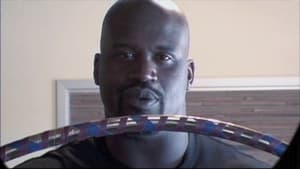
The Hooping Life
Learn the origins and rise of modern day hula-hooping through eight extraordinary stories of hoop devotees who have embraced it as an art form, a teaching aid, and even an instrument of redemption. From the streets, to intimate clubs, to giant arenas, we alternate between self-filmed video diaries, verité documentary footage, and spectacularly filmed performances in an attempt to celebrate the healing power of movement and the spirit of human inventiveness.
2014
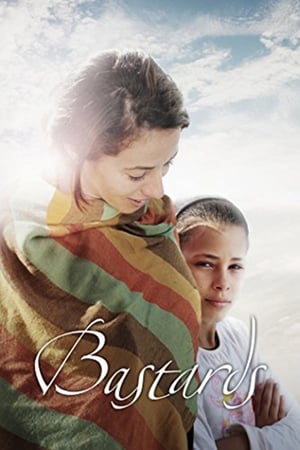
Bastards: Outcast in Morocco
At 14 Rabha El Haimer was an illiterate child bride, beaten, raped and then rejected. Ten years later, she is a single mother, fighting to legalise her sham marriage and secure a future for her illegitimate daughter. With unprecedented access to the Moroccan justice system, “Bastards” follows Rabha’s fight from the Casablanca slums to the high courts.
2014

You Can't Do Everything at Once, But You Can Leave Everything at Once
It all began on a couch. He watched her undress and they made love for the first time.
2013

Linar
A Russian boy gets a heart transplant in Italy. A lot of people were by his side on his long journey full of hardships, except for his mother.
2013
The Two Loves of Anthony Trollope
Documentary that gives background on Trollope's life from childhood, adolescence, adulthood and death.
2004
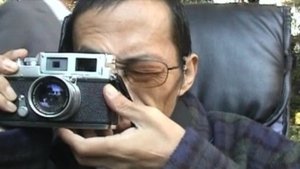
Letter from a Yellow Cherry Blossom
Naomi Kawase's documentary about Nishii Kazuo, a photo critic. He is the last chief editor for the Camera Mainichi magazine, rushing through his time with Araki Nobuyoshi and Moriyama Daido as provocative artists in the photograph world.
2002
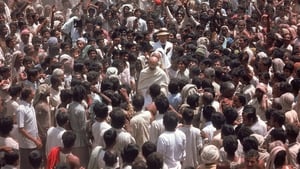
Gandhi
In the early years of the 20th century, Mohandas K. Gandhi, a British-trained lawyer, forsakes all worldly possessions to take up the cause of Indian independence. Faced with armed resistance from the British government, Gandhi adopts a policy of 'passive resistance', endeavouring to win freedom for his people without resorting to bloodshed.
1982
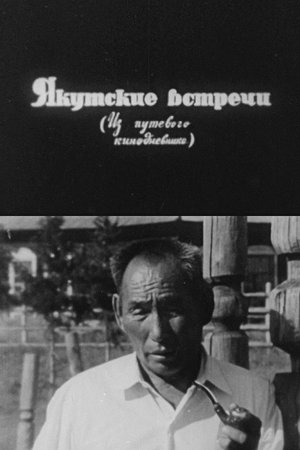
Encounters in Yakutia
Taking the form of a travel diary of a television journalist, this documentary tells about the life and work of the people of Yakutia: pilots, artists, drivers, and reindeer herders.
1970
Andrei Rublev
An expansive Russian drama, this film focuses on the life of revered religious icon painter Andrei Rublev. Drifting from place to place in a tumultuous era, the peace-seeking monk eventually gains a reputation for his art. But after Rublev witnesses a brutal battle and unintentionally becomes involved, he takes a vow of silence and spends time away from his work. As he begins to ease his troubled soul, he takes steps towards becoming a painter once again.
1966
Birdman of Alcatraz
After killing a prison guard, convict Robert Stroud faces life imprisonment in solitary confinement. Driven nearly mad by loneliness and despair, Stroud's life gains new meaning when he happens upon a helpless baby sparrow in the exercise yard and nurses it back to health. Despite having only a third grade education, Stroud goes on to become a renowned ornithologist and achieves a greater sense of freedom and purpose behind bars than most people find in the outside world.
1962

Sissi: The Fateful Years of an Empress
After a wonderful time in Hungary Sissi falls extremely ill and must retreat to a Mediterranean climate to rest. The young empress’ mother takes her from Austria to recover in Madeira.
1957
Olympia Part One: Festival of the Nations
Starting with a long and lyrical overture, evoking the origins of the Olympic Games in ancient Greece, Riefenstahl covers twenty-one athletic events in the first half of this two-part love letter to the human body and spirit, culminating with the marathon, where Jesse Owens became the first track and field athlete to win four gold medals in a single Olympics.
1938