Watch Yakuza and Constitution (2016) Online Free
Since the enactment of the Anti-Boryokudan Act and Yakuza exclusion ordinances, the number of Yakuza members reduced to less than 60,000. In the past 3 years, about 20,000 members have left from Yakuza organizations. However, just numbers can’t tell you the reality. What are they thinking, how are they living now? The camera zooms in on the Yakuza world. Are there basic human rights for them?
More Like This

Luciano
Luciano lives with his mother and younger sister in a low-income neighborhood in the Argentine city of Rosario. He studies and helps with the housework. Since money is always short, he takes any temporary work he can get to support his family, while he looks for a steady job. After years of spending long hours at the gym, he has managed to see himself in the body he longed for. Life, however, imposes new challenges on him in his relentless journey to pursue his identity.
2025
Les vrais chercheurs ne savent pas ce qu’ils cherchent
2025

I Am Martin Parr
Since the 1970s‚ Martin Parr has fearlessly held out his unique photographic mirror and given us some of the most extraordinary and unique visual clichés of modern times. Sometimes serious‚ often absurd but always playful‚ his insightful and often acrid commentary on consumer society has always been a subject of controversy and discussion.
2024

Ser Parte
A short experimental documentary about love
2024

Pussy Riot: Rage Against Putin
Pussy Riot make a comeback after a long absence to stand with Ukraine. Their story and their struggle are told through archival footage and interviews with the group’s members.
2023

Golda's War Diaries
2023
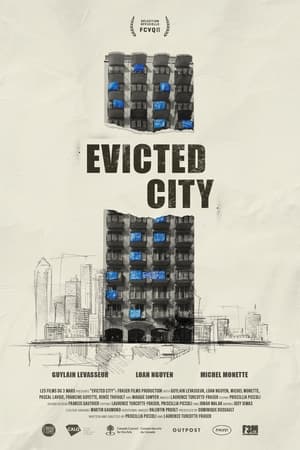
Evicted City
Montreal — one of the few remaining affordable cities in North America — is now in the midst of an unprecedented housing crisis. An intimate portrait of socio-political resistance, this multilayered film explores the human impact of real estate speculation on the cities of tomorrow.
2023

Mira-futuro
2022

Carolina Maria de Jesus: Eu lirica, sou grande
2022

L'Homme de Rio - A vida loca
2022
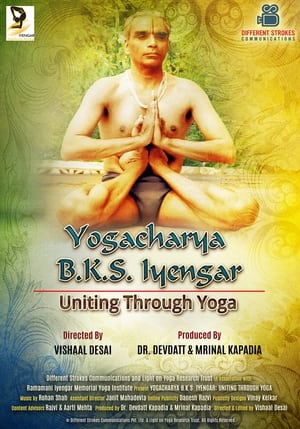
B.K.S. Iyengar: Uniting Through Yoga
A documentary that explores the legacy of Yogacharya B.K.S. Iyengar, this film will take you on an emotional journey that encompasses the yogic practice and personal life of one of the greatest yoga masters to have ever lived.
2018

Is Genesis History?
A fascinating new look at the biblical, historical, and scientific evidence for Creation and the Flood. Learn from more than a dozen scientists and scholars as they explore the world around us in light of Genesis. Dr. Del Tackett, creator of The Truth Project, hikes through canyons, climbs up mountains, and dives below the sea in an exploration of two competing views... one compelling truth.
2017
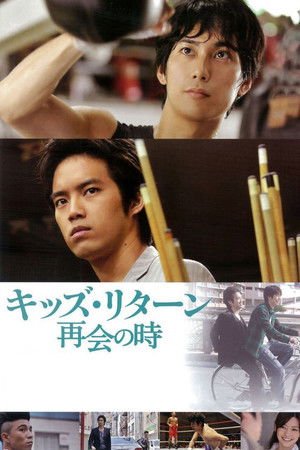
Kids Return: The Reunion
Set 10 years after "Kids Return." Shinji and Masaru have graduated from high school with different paths in their lives. Shinji attempted to become boxer and Masaru a yakuza. They both tried to rise to the top of their respective fields.
2013

Yellowcard: The Making of Lights and Sounds
A documentary of the making of Yellowcard's fifth studio album "Lights and Sounds".
2006

Wasabi
Hubert is a French policeman with very sharp methods. After being forced to take 2 months off by his boss, who doesn't share his view on working methods, he goes back to Japan, where he used to work 19 years ago, to settle the probate of his girlfriend who left him shortly after marriage without a trace.
2001
My Father's Camera
Home movies and their unique place in popular culture are the subject of My Father's Camera. Director Karen Shopsowitz weaves the history of home movies together with footage shot by her father--amateur filmmaker Israel Shopsowitz. Equipped with her dad's old Super 8 camera, Karen traces the history of home movies from the 1920s through to the amateur explosion of the '30s and '40s and beyond. She interviews a lively line-up of scholars and collectors, such as early members of the Toronto Film Club, a Japanese-American archivist who sees home movies as an expression of cultural diversity and a collector who hosts popular Webcasts that highlight new acquisitions.
2000
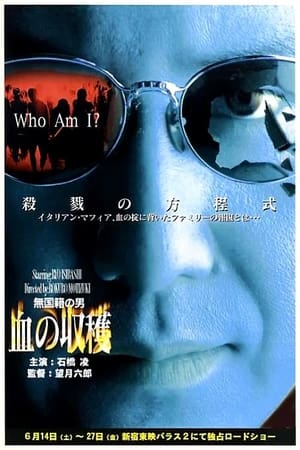
Pinocchio: A Man Without Nationality
A yakuza search for his past
1997
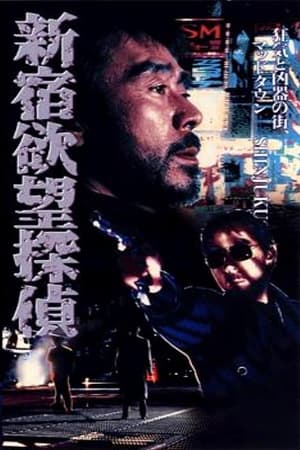
The Hungry Shinjuku Detective
The private eye of Shinjuku Yokubo Tantei is a lone wolf, lush, and loser but has kept his integrity in a dirty, dangerous world.
1994
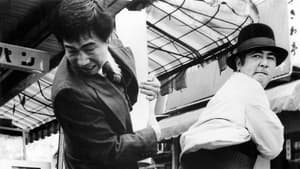
Yakuza vs. Gang Leader
Gokudo Shimamura comes to blows with the Delinquent Boss who rolls into town with his motorcycle gang.
1974