Watch Wild Session (2019) Online Free
A walk through the golden age of Spanish exploitation cinema, from the sixties to the eighties; a low-budget cinema and great popular acceptance that exploited cinematographic fashions: westerns, horror movies, erotic comedies and thrillers about petty criminals.
Cast
Javier Aguirre, Simón Andreu, Paco Cabezas, Carmen Carrión, Álex de la Iglesia, Álvaro de Luna, Carlo De Marchis, Fernando Esteso, Lone Fleming, Adrián García Bogliano, Jorge Grau, Fernando Guillén Cuervo
More Like This
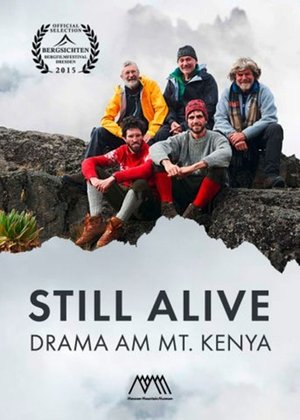
Still Alive – The Drama on Mount Kenya
Still Alive - The Drama on Mount Kenya is a gripping docudrama that recounts a legendary rescue operation on Mount Kenya in Africa in 1970.
2025

Serial Encounters
Jason Voorhees is interviewed about his daily life.
2023
Mustache Funk
The early 70s is a golden epoch of our popular music. Hundreds of songs of exquisite beauty. Groundbreaking sound. Futuristic suits. How and whence could all of this emerge in a Soviet socialist republic? How did a brand new music scene, original in sound and philosophy in every way, and at the same time absolutely in sync with global music trends come forth? They weren't that fond of the Soviet label «VIA». And since neither of us is fond of this acronym, let us rechristen this music.
2021
Du Club Dorothée aux Mystères de l'amour : Les coulisses d'une success story
2021
Westall
In 1966, over one hundred school kids became witness to one of the biggest UFO sightings in history. What they all have in common are five words… "I know what I saw." It still remains a mystery to this day.
2018
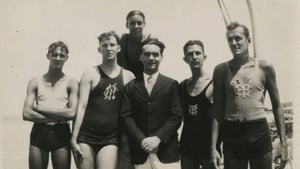
Bones of Contention
A history of the political and social repression carried out by the ruthless regime of Spanish dictator Francisco Franco between 1936 and 1975 that focuses on the lives of gays and lesbians during those dark years and the death of the Spanish gay poet Federico García Lorca.
2018
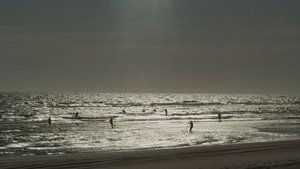
The Sea Stares at Us from Afar
Huelva, Spain, an isolated region lost in time. The grass, the sand and the sky are the same that those foreigners saw in the spring of 1895, when they crossed the sea from a distant country to mark the unspoiled terrain and extract its wealth, when the tower was new, when people could climb to the top of the highest dune and imagine that the city of Tartessos was still there, in the distance, almost invisible in the morning brume.
2018
The 80's: The Gadgets
During the 1980s, technological advancement took a great leap into the future: what seemed to be science fiction then became reality. From the Sony Walkman to the computer, without forgetting Nintendo and Super Mario, this episode takes a nostalgic look at all this technology that emerged during the 80s, in order to define what we were able to do, but also who we were. were going to become.
2017
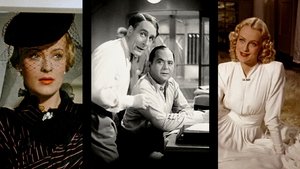
Hitler's Hollywood
Film journalist and critic Rüdiger Suchsland examines German cinema from 1933, when the Nazis came into power, until 1945, when the Third Reich collapsed. (A sequel to From Caligari to Hitler, 2015.)
2017

This Is Not a Dream
The video revolution of the 1970s offered unprecedented access to the moving image for artists and performers. This Is Not a Dream explores the legacies of this revolution and its continued impact on contemporary art and performance. Charting a path across four decades of avant-garde experiment and radical escapism, This Is Not a Dream traces the influences of Andy Warhol, John Waters and Jack Smith to the perverted frontiers of YouTube and Chatroulette, taking in subverted talk shows and soap operas, streetwalker fashions and glittery magic penises along the way.
2012

Shine a Light
Martin Scorsese’s electrifying concert documentary captures The Rolling Stones live at New York’s Beacon Theatre during their A Bigger Bang tour. Filmed over two nights in 2006 with an all-star team of cinematographers, the film combines dynamic performances with archival footage and rare glimpses behind the scenes, offering a vibrant portrait of the band’s enduring energy and legacy.
2008
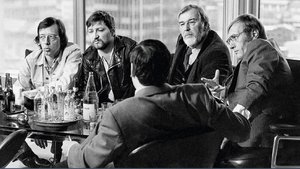
Counter Shot: Departure of the Filmmakers
Documentary about filmmakers of the New German Cinema who were members of the legendary Filmverlag für Autoren (Film Publishing House for Authors). Among them are Werner Herzog, Rainer Werner Fassbinder, and Wim Wenders.
2008
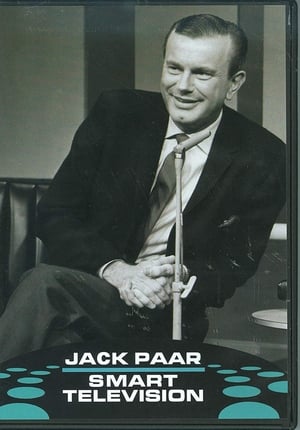
Jack Paar: Smart Television
PBS documentary examining the work of Jack Paar.
2003
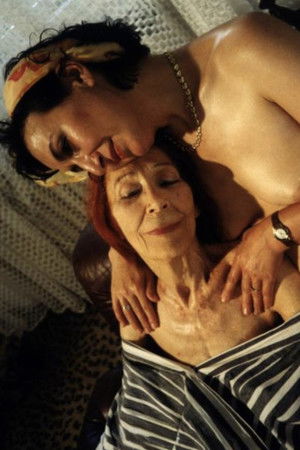
Thank God I’m in the Film Business!
Eva Ebner is a Berliner who gives the appearance of being rather eccentric. She knows the film business inside out – regardless of whether she’s work- ing behind the camera as an assistant director or in front of it as an actor. Her name is closely associated with a series of now-legendary adaptations of Edgar Wallace’s crime novels which were made in Germany during the 1960s. Upcoming young directors from local film schools have also profited from Ms. Ebner’s unbroken enthusiasm and passion for film. However, this eighty-year-old has a more than broken relationship to the events of her childhood and youth in Gdansk – a time when her life was characterised by an anti-Semitic step-mother and the dangers posed by the Nazi regime. This film portrait does not eschew any of the long dark shadows of that era, nor does it sidestep any friction between portrayer and his subject. (Lothar Lambert)
2003
'Obsession' Revisited
A documentary about the making of 1976's "Obsession" featuring interviews with director Brian De Palma, stars Cliff Robertson and Genevieve Bujold and more.
2001
Race d'Ep!
"Race d’Ep!" (which literally translates to "Breed of Faggots") was made by the “father of queer theory,” Guy Hocquenghem, in collaboration with radical queer filmmaker and provocateur Lionel Soukaz. The film traces the history of modern homosexuality through the twentieth century, from early sexology and the nudes of Baron von Gloeden to gay liberation and cruising on the streets of Paris. Influenced by the groundbreaking work of Michel Foucault on the history of sexuality and reflecting the revolutionary queer activism of its day, "Race d’Ep!" is a shockingly frank, sex-filled experimental documentary about gay culture emerging from the shadows.
1979
Under the Danger to Society Law
Barcelona, Spain, June 1977. A chronicle of a demonstration held to demand the repeal of a 1970 Francoist law criminalizing homeless, prostitutes and homosexuals.
1977
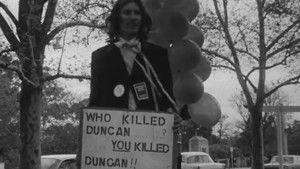
Pride & Snide
A contrast between two kinds of attitudes to gay liberation in Adelaide.
1976
The Society of the Spectacle
Guy Debord's analysis of a consumer society.
1974
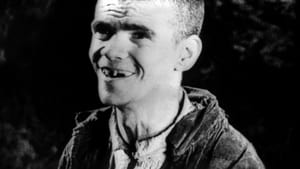
Land Without Bread
An exploration —manipulated and staged— of life in Las Hurdes, in the province of Cáceres, in Extremadura, Spain, as it was in 1932. Insalubrity, misery and lack of opportunities provoke the emigration of young people and the solitude of those who remain in the desolation of one of the poorest and least developed Spanish regions at that time.
1933