Watch Wild Life (2023) Online Free
From Oscar-winning filmmakers Chai Vasarhelyi and Jimmy Chin, "Wild Life" follows conservationist Kris Tompkins on an epic, decades-spanning love story as wild as the landscapes she dedicated her life to protecting. After falling in love in mid-life, Kris and the outdoorsman and entrepreneur Doug Tompkins left behind the world of the massively successful outdoor brands they'd helped pioneer like Patagonia, The North Face, and Esprit, and turned their attention to a visionary effort to create National Parks throughout Chile and Argentina. "Wild Life" chronicles the highs and lows of their journey to effect the largest private land donation in history.
Cast
Kristine Tompkins, Rick Ridgeway, Jimmy Chin, Claudio Alvarado, Michelle Bachelet, Dago Guzman, Edgar Boyles, Timmy O'Neill, Yvon Chouinard, Susie Tompkins Buell
More Like This
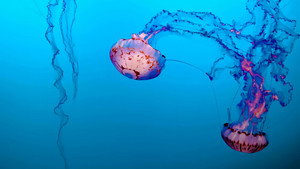
Jellyfish, The new Rulers of the Ocean
Jellyfish blooms are making headlines around the world. This is due to the damage they cause to tourism, fishing and our health. How can these creatures, which are over 98% water and have no shell, skeleton or brain, expand so rapidly? Although this is a normal stage in the life cycle of these gelatinous animals, we have to admit that blooms have become much more frequent and massive in recent decades. We're even witnessing jellyfish populations appearing in more and more regions where fish have been replaced by them, such as off the coast of Namibia, in the Black Sea, in the Sea of Japan and in certain areas of the Baltic Sea. What causes this? Why has the role of jellyfish in the ocean been underestimated, even though they outlived the dinosaurs? Are jellyfish on their way to dominating the oceans as they once did? What if they were to be the only ones left?
2026
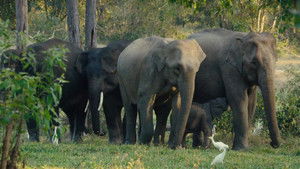
Kui Buri: Thailand's Hidden Eden
Explore Kui Buri National Park, a Southeast Asian haven where elephants, gaurs, and vibrant wildlife thrive thanks to ingenious conservation efforts.
2025
Après le déluge
2023
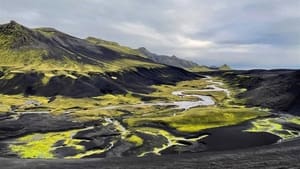
Great natural monuments - Iceland
The fascinating landscape formations of Iceland in the North Atlantic bear witness to the beauty and primal power of nature. They were created through the interaction of powerful volcanic, geological and biological processes that have been changing the face of the earth for billions of years. This is what the Earth might have looked like four billion years ago. Iceland is the realm of ice and fire. Nowhere else is there such a high density of volcanoes. The landscapes, which are continually reshaped by eruptions, make the island a natural laboratory full of clues about the formation and development of the earth. The documentary follows a group of scientists through the most active areas of Iceland, along a mountain range that has emerged from the ocean. On the slopes of the volcanoes, in the fog of the fumaroles and on streams and rivers, the three researchers explore how the first forms of life populated the earth's surface and in what evolutionary steps they took over the earth.
2023
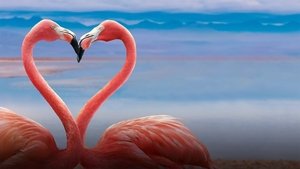
Queer Planet
When it comes to 'what Mother Nature intended', it turns out she was pretty open-minded. In this vivid, funny and eye-opening one-off doc we take the audience on a journey to explore the rich diversity of animal sexuality.
2023
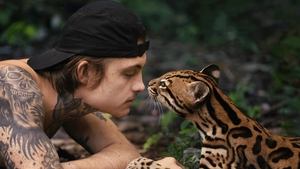
Wildcat
Back from war in Afghanistan, a young British soldier struggling with depression and PTSD finds a second chance in the Amazon rainforest when he meets an American scientist, and together they foster an orphaned baby ocelot.
2022
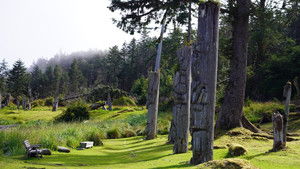
The Haida in Canada
Haida Gwaii, an archipelago off the west coast of Canada, is home to Skil Jaadee and her family. They live in harmony with nature and have made it their mission to save their language and preserve their history.
2022
Les Trésors cachés des gorges
2022
Breaking Boundaries: The Science of Our Planet
David Attenborough and scientist Johan Rockström examine Earth's biodiversity collapse and how this crisis can still be averted.
2021
Antarctica
Antarctica is the most extreme continent on our planet—higher, colder, and even drier than any other on Earth, and although it is thousands of miles away, what happens here affects every single one of us.
2020
Lobo Mexicano
About the mexican wolf in northwest Chihuahua, the search for its conservation among local communities, landowners, and the Livestock Assurance Fund.
2020
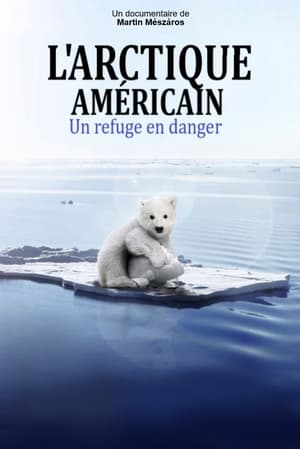
Arctic
This film shows the splendor, enormous scope and indescribable beauty of this untouched land far to the north of Alaska, one of the last havens for caribou herds and polar bears. Shot over a period of four years, this film offers a unique insight in the lives of the most charismatic arctic animals.
2020
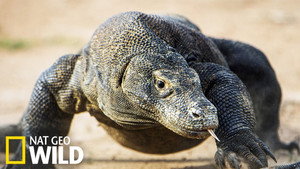
Les monstres de Komodo : une histoire d'amour
2018
Transumanza
2015

Mount St. Helens: 30 Years of Change
A look at the people, history, and recovery of the mountain since the eruption in 1980.
2011
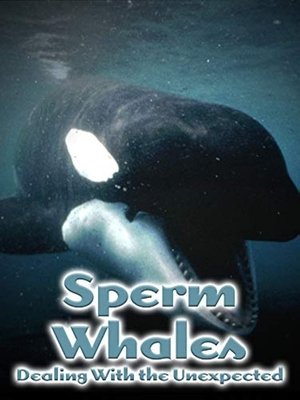
Sperm Whales: Dealing with the Unexpected
Around the Crozet Islands, here is the incredible odyssey of a family of Sperm Whales facing rapid changes in their environment. From the stormy surface to the eternal darkness of the abyss, several generations of these deep-sea divers encounter men and their "toys": harpoons of yesterday, and fishing lines of today. Once victim of whale hunting, now accused of stealing fish, a sperm whale shares its private life with us.
2005
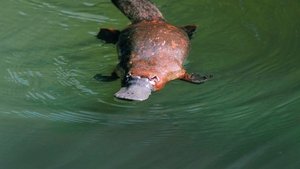
Platypus: World's Strangest Animal
One of only two living mammals to lay eggs, the platypus has baffled and inspired the scientific community for hundreds of years. Three years in the making, this stunning natural history film takes us down the East Coast of Australia to the many serenely beautiful habitats of the platypus. Technology specially created for this film captures images from inside the nesting chamber of a wild platypus, and records the extraordinary sounds of the mother suckling her offspring. We watch as they grow from newborns to adulthood. Join renowned documentary makers David Parer and Elizabeth Parer-Cook (Dragons of Galapagos, Wolves of the Sea) on this fascinating journey from the rainforests of Queensland to the frozen mountains of Tasmania, as they reveal new insights into this mysterious creature.
2003
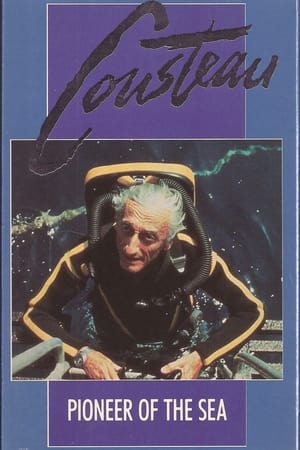
Jacques Cousteau: The First 75 Years
Documentary about the life of explorer Jacques Cousteau.
1985
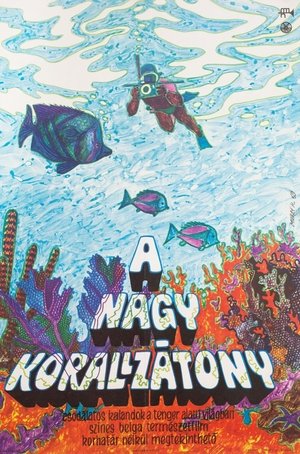
The Great Barrier Reef
A unique document about life on land and underwater in the Great Barrier Reef. Shot during an expedition that lasted more than five months, the film shows both the fauna and flora of the ocean and the technical equipment used to film these stunning images, which are now a thing of the past.
1969