Watch Vietnam Nurses (2005) Online Free
The untold stories of six Australian army nurses who served at the only Australian field hospital in the Vietnam War.
More Like This

We Were the Scenery
In 1975, soon after the end of the Vietnam War, Hoa Thi Le and Hue Nguyen Che fled the country on a small boat. After nine days at sea, they docked in the Philippines, where they were utilized as background extras for “Apocalypse Now.”
2025

The Empathizer
Standup comedian Fred Le hears the stories of a diverse range of young overseas-born Vietnamese who made their way back to the land that their parents left following the end of the Vietnam War. The Empathizer explores identity and the impact of trauma among Việt Kiều who grew up a generation removed from tragic events of the past.
2024

Skip Liberty: Shooting in Vietnam
Skip Liberty enlisted in the Army in 1968. During his tour in Vietnam he shot 3,100 feet of Super 8 film, over 3 hours worth. Upon returning to the states the film was placed in storage, Skip had never seen the footage he shot. Until now.
2024

Thud Pilots II
Based off the spellbinding book Thud Pilot, the much anticipated sequel to the 2018 award-winning documentary Thud Pilots continues the story and legacy of the most iconic fighter in the Vietnam War, the F-15 Thunderchief. Thud Pilots II reveals the rise of the Hunter Killer mission and the pilots who refused to be beat despite their hands being tied.
2021
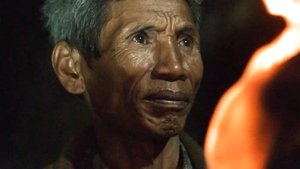
This Little Land of Mines
During the Vietnam War, the US bombed Laos more heavily than any other country had been bombed before. Today, the Lao people live among, and risk their lives to clear, over 80 million unexploded bombs on their doorsteps. With great beauty and empathy, this documentary reveals the unbelievable stories of the men and women at the forefront of this monumental task.
2019
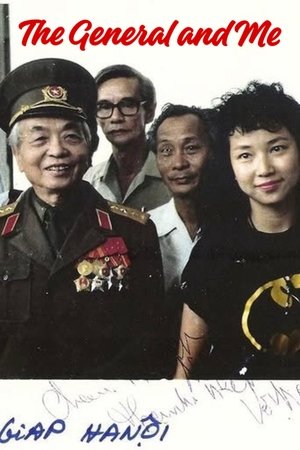
The General And Me
Over the period of 25 years the director met General Võ Nguyên Giáp, a legendary hero of Vietnam’s independence wars, a number of times. She was the first American who entered the home of the “Red Napoleon”. The fruit of this friendship is a film, personal and politically involved at the same time. Travelling across the country and talking to important figures as well as ordinary people, the director finds out more about her roots and offers the audience a unique perspective on Vietnam’s present and past.
2017

Von heute auf morgen
'From One Day To The Next' follows four elderly people through their everyday lives, observing how they cope with a gradual loss of autonomy.
2013
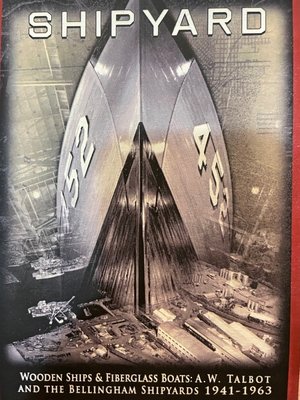
Shipyard
Shipyard is a landmark documentary covering the creation and life of Bellingham, Washington's wooden boat shipyard, which was built in response to the Axis threat of WWII, it's continued growth through the '50's and '60's, as well as it's innovative role in the development and production of fiberglass boats, including patrol riverboats for the Vietnam war.
2009
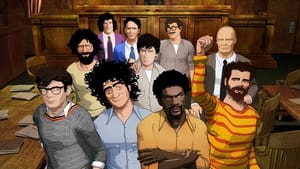
Chicago 10
Archival footage, animation and music are used to look back at the eight anti-war protesters who were put on trial following the 1968 Democratic National Convention.
2008

Lenin kam nur bis Lüdenscheid - Meine kleine deutsche Revolution
The free, almost naive view from the perspective of a child puts the "68ers" in a new, illuminating light in the anniversary year 2008. The film is a provocative reckoning with the ideological upbringing that seemed so progressive and yet was suffocated by the children's desire to finally grow up. With an ironic eye and a feuilletonistic style, author Richard David Precht and Cologne documentary film director André Schäfer trace a childhood in the West German provinces - and place the major events of those years in completely different, smaller and very private contexts.
2008
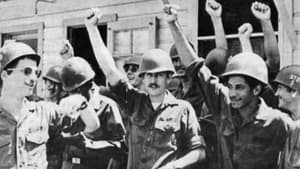
Sir! No Sir!
Sir! No Sir! is a documentary film about the anti-war movement within the ranks of the United States Military during the Vietnam War. It consists in part of interviews with Vietnam veterans explaining the reasons they protested the war or even defected. The film tells the story of how, from the very start of the war, there was resentment within the ranks over the difference between the conflict in Vietnam and the "good wars" that their fathers had fought. Over time, it became apparent that so many were opposed to the war that they could speak of a movement.
2005
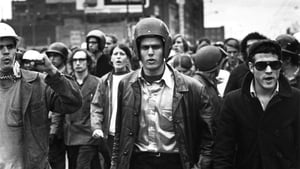
The Weather Underground
The remarkable story of The Weather Underground, radical activists of the 1970s, and of radical politics at its best and most disastrous.
2002
Das Dorf der Freundschaft
A German Documentary about the “village of friendship” that was created by American Veteran George Mizo to help the Vietnamese kids suffering from the Vietnam War.
2001
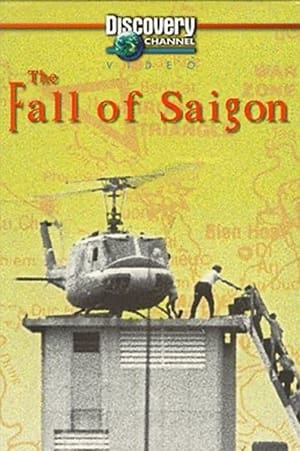
The Fall of Saigon
In April 1975 -- despite a ceasefire agreement -- the North Vietnamese communists took Saigon and the world by surprise, mounting an offensive that ousted the South Vietnamese government. This enlightening documentary recounts the last two years of America's military engagement in the country and the U.S. role in Saigon's fall. Interviews with former National Security Adviser Henry Kissinger and North Vietnamese officers provide context.
1995
Handmaidens and Battleaxes
Throughout history, the perception of nurses has ranged from wise women to witches, sots to ministering angels, handmaidens to battleaxes. The professional role of the nurse has changed dramatically. Originally the nurse held an independent, curative position in healing the sick. Most of this responsibility has since been lost. In its place, a profession has developed which, while demanding altruism and dedication, is locked into a supportive and secondary role to that of the medical profession.
1990
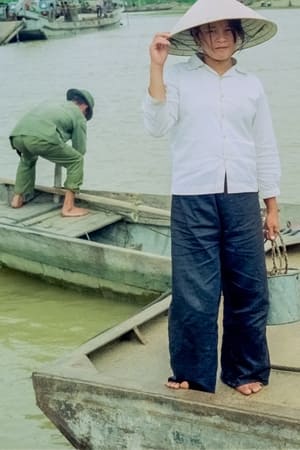
Still Life
The production is a poetic impression, its tone is mournful. The film shows the landscape of Vietnam two years after the end of the war. There is no commentary in the production, the image is accompanied by Mozart's composition.
1977
Hearts and Minds
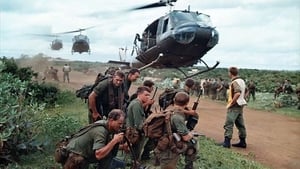
Many times during his presidency, Lyndon B. Johnson said that ultimate victory in the Vietnam War depended upon the U.S. military winning the "hearts and minds" of the Vietnamese people. Filmmaker Peter Davis uses Johnson's phrase in an ironic context in this anti-war documentary, filmed and released while the Vietnam War was still under way, juxtaposing interviews with military figures like U.S. Army Chief of Staff William C. Westmoreland with shocking scenes of violence and brutality.
1974
Autopsy
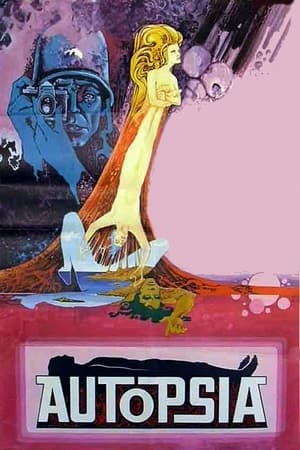
Mondo-style docudrama about a war correspondent who comes back home and has a spiritual crisis about his own mortality. Surreal fantasy sequences are mixed with graphic real autopsy footage.
1973
Winter Soldier
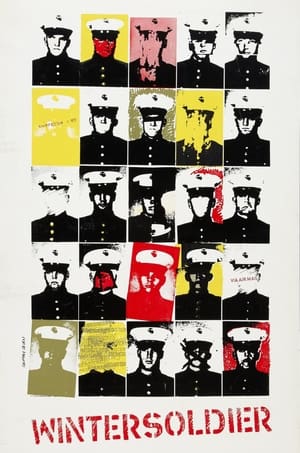
For three days in 1971, former US soldiers who were in Vietnam testify in Detroit about their war experiences. Nearly 30 speak, describing atrocities personally committed or witnessed, telling of inaccurate body counts, and recounting the process of destroying a village.
1972
Solidaridad Cuba y Vietnam
Short documentary on the solidarity of the Cuban people with Vietnam during the war against the United States.
1965