Watch Unser Wirtschaftswunder - Die wahre Geschichte (2013) Online Free
More Like This
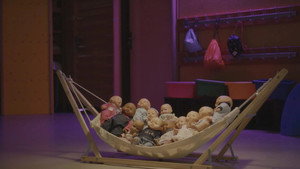
Nurseries, raid on babies
Since nurseries were opened up to the private sector in the early 2000s, early childhood has become a lucrative business for its voracious players. As scandals involving abuse and embezzlement of public funds multiply, we investigate the excesses of deregulation, which has turned babies into cash machines.
2025
Alliances Terrestres
2024

Jurassic Cash
Jurassic Cash is a documentary on the new business of dinosaur fossils, an incredible speculation in the auction world… And on the footsteps of our past.
2022

Les raisins de la misère
Famous worldwide for its great wines, the Bordeaux region represents French excellence. But this idyllic postcard also has its dark side. The workers in the vineyards are working in increasingly precarious conditions, to the point of putting their health at risk. A handful of them are resisting this fate.
2021
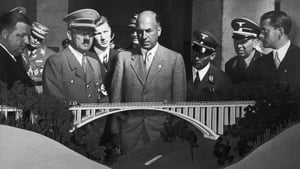
Blood Money: Inside the Nazi Economy
How did Nazi Germany, from limited natural resources, mass unemployment, little money and a damaged industry, manage to unfurl the cataclysm of World War Two and come to occupy a large part of the European continent? Based on recent historical works of and interviews with Adam Tooze, Richard Overy, Frank Bajohr and Marie-Bénédicte Vincent, and drawing on rare archival material.
2021
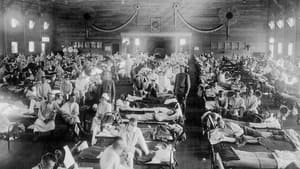
69, année pandémique
2020

Un jour en Italie
2017

Free Lunch Society
What would you do if your basic income was taken care of month after month? Would you stop working? Follow your passions? Take more risks? The four-figure sum that all four members of the Wardwell family receive each year from the Alaskan government’s crude oil profits goes towards a college fund for their children, something they would otherwise be unable to afford. Filmmaker Christian Tod, himself a fervent supporter of the idea, explores the model of an unconditional basic income and takes a look at trial systems already underway in the US, Canada and Namibia. Wandering the history of this utopia reminiscent of science fiction he eventually ends up in Switzerland, where the new system was voted on in 2016. In this multifaceted and highly entertaining documentary, Tod broaches life’s existential questions and fuels the debate on one of the most prevalent economic topics of our generation.
2017
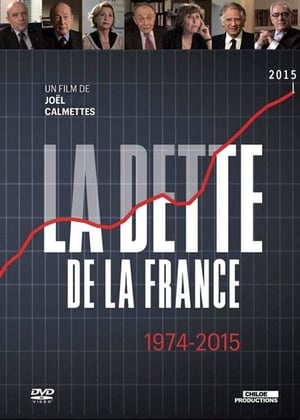
La dette de la France 1974-2015
2016
Les Autres - Les immigrants peuvent-ils sauver Huntingdon?
Huntingdon Mayor Stéphane Gendron wants to encourage immigration to save his town, which has been struggling ever since large-scale factory closures some years ago. Mayor Gendron’s project is a way in to a discussion about immigration and social and economic integration.
2013
Le business du commerce équitable
More and more fair trade labels are entering the market and are being positively received by consumers. In 2012, around five billion euros were spent on fair trade products. But is it really always fair where it says fair? Filmmaker Donatien Lemaître visited plantations in Mexico, the Dominican Republic and Kenya. The investigative documentary reveals how international corporations try to improve their image with the help of the fair trade concept - at the expense of small producers and their employees.
2013
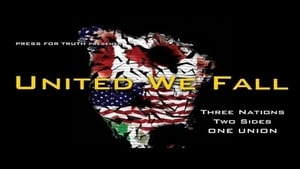
United We Fall
United We Fall is a documentary about a North American Union that is being developed right now between Canada, the United States, and Mexico. For years this topic has been debated in the news and in political circles as being a possible future for North America. In recent years, the mood has shifted and a rift is developing between those who want a deeply integrated North American community, and those who wish to retain their national sovereignty. This film takes a look at both sides of the issue by interviewing insiders such as members of the ultra-secretive Bilderberg group, the Trilateral Commission and the Council On Foreign Relations and also journalists and activists such as Luke Rudkowski, Alex Jones and producer Dan Dicks who have been at the heart of this heated debate.
2010
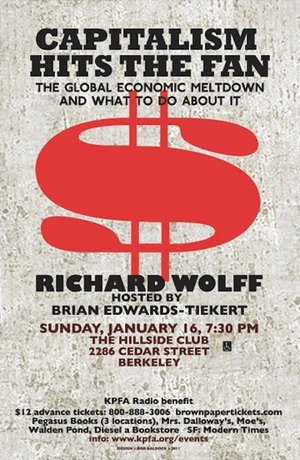
Capitalism Hits the Fan
With breathtaking clarity, renowned University of Massachusetts Economics Professor Richard Wolff breaks down the root causes of today's economic crisis, showing how it was decades in the making and in fact reflects seismic failures within the structures of American-style capitalism itself. Wolff traces the source of the economic crisis to the 1970s, when wages began to stagnate and American workers were forced into a dysfunctional spiral of borrowing and debt that ultimately exploded in the mortgage meltdown. By placing the crisis within this larger historical and systemic frame, Wolff argues convincingly that the proposed government "bailouts," stimulus packages, and calls for increased market regulation will not be enough to address the real causes of the crisis, in the end suggesting that far more fundamental change will be necessary to avoid future catastrophes.
2009
Zeitgeist: Addendum
Zeitgeist: Addendum premiered at the 5th Annual Artivist Film Festival. Director Peter Joseph stated: "The failure of our world to resolve the issues of war, poverty, and corruption, rests within a gross ignorance about what guides human behavior to begin with. It address the true source of the instability in our society, while offering the only fundamental, long-term solution."
2008

Zeitgeist: The Movie
A documentary examining possible historical and modern conspiracies surrounding Christianity, the 9/11 terrorist attacks, and the Federal Reserve bank.
2007
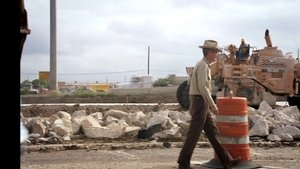
The Unforeseen
A documentary about the development around Barton Springs in Austin, Texas, and nature's unexpected response to being threatened by human interference.
2007

Climate of Hope
Documentary created to demystify climate change and nuclear energy. While the threat of climate change is now widely accepted in the community, the potential for a host of nuclear power stations in Australia has raised questions about the best strategy for the country to move to a low-carbon economy. This animated documentary takes viewers on a tour through the science of climate change and the nuclear fuel chain and the remarkable energy revolution that is under way.
2007

The Bigger Bubble
After starting a painting business right before the housing crash, a filmmaker drives over 35,000 miles to track down the people who saw it coming and look ahead to the consequences of a decade of secret bank bailouts and 0% interest.
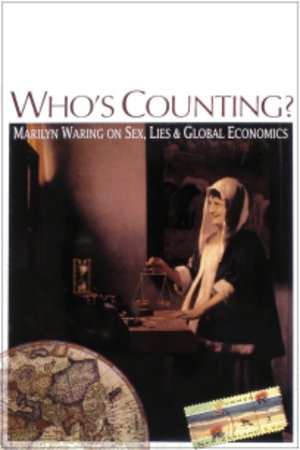
Who’s Counting? Marilyn Waring on Sex, Lies and Global Economics
This documentary profiles economist and writer Marilyn Waring. In extensive interviews, Waring details her feminist approach to finances and challenges commonly accepted truths about the global economy. The filmmakers detail Waring's early rise to political prominence and her successful protests against nuclear arms. Waring also speaks candidly about wartime economies, suggesting that government policies tend to marginalize the fiscal contributions of women.
1995

Women in Industry
The Ministry of Labour exhorts women to return to industry – the post-war production drive depends on them.
1948