Watch Unlike U (2011) Online Free
UNLIKE U melts into a scene, which for outsiders, is hard to comprehend. The world of trainwriters, those spray paint artists who specialize in painting trams and underground trains. Extremely undercover. Extremely criminal. Extremely forbidden. UNLIKE U portrais four generations of sprayers in Berlin, of which the oldest of the hardcore artists is already over 40 years old, while the youngest are around 17. All protagonists have one thing in common. Each one has sprayed countless trains in their lives, some of them even over a 1000.
More Like This

Prinzessinnenbad
A film about three teenagers - Klara, Mina and Tanutscha - from the Berlin district of Kreuzberg. The trio have known each other since Kindergarten and have plenty in common. The three 15-year-olds are the best of friends; they are spending the summer at Prinzenbad, a large open-air swimming pool at the heart of the district where they live. They're feeling pretty grown up, and are convinced they've now left their childhood behind.
2007

Sinfonías de ciudad nº 3. Amor.
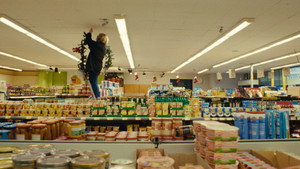
Nothing Remains Nothing Disappears
A Berlin street corner is slowly changing: an aging supermarket turns into a construction site and finally a new building. People restock shelves, demolish walls, take breaks and count money. Those who work here participate in the making and unmaking of the place. How does it shape the conditions of their labor? Between supermarket aisles, construction scaffolding and exposed concrete, different versions begin to overlap. Repetitions appear like echoes between worlds, both playful and eerie.
2026
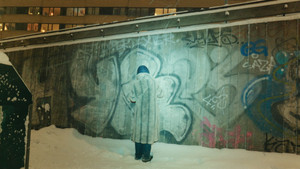
SON
A mother and her homeless son’s last line of communication–cement walls, electrical cabinets and dusty windows.
2025

Tunnel to Freedom
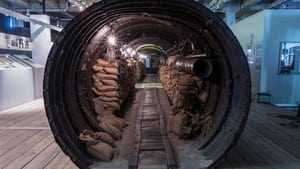
13 August 1961: the GDR closes the sector borders in Berlin. The city is divided overnight. Escape to the West becomes more dangerous every day. But on September 14, 1962, exactly one year, one month and one day after the Wall was built, a group of 29 people from the GDR managed to escape spectacularly through a 135-meter tunnel to the West. For more than 4 months, students from West Berlin, including 2 Italians, dug this tunnel. When the tunnel builders ran out of money after only a few meters of digging, they came up with the idea of marketing the escape tunnel. They sell the film rights to the story exclusively to NBC, an American television station.
2021
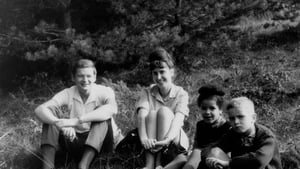
Becoming Black
In the 1960s, a white couple living in East Germany tells their dark-skinned child that her skin color is merely a coincidence. As a teenager, she accidentally discovers the truth. Years before, a group of African men came to study in a village nearby. Sigrid, an East German woman, fell in love with Lucien from Togo and became pregnant. But she was already married to Armin. The child is Togolese-East German filmmaker Ines Johnson-Spain. In interviews with Armin and others from her childhood years, she tracks the astonishing strategies of denial her parents, striving for normality, developed following her birth. What sounds like fieldwork about social dislocation becomes an autobiographical essay film and a reflection on themes such as identity, social norms and family ties, viewed from a very personal perspective.
2019
Grenzpunkt Beton
Documentary short film about the afterlife of the remnants of the Berlin Wall.
2015
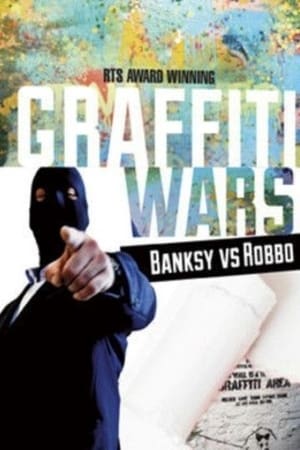
Graffiti Wars
A look at the feud between graffiti artists King Robbo and Banksy.
2011
Berlin Geheimoperation Tunnel
2011
B movie
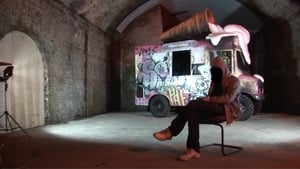
This mini documentary features a rare interview with infamous graffiti artist Banksy, delving into how he started out as a graffiti writer up to his shift to gallery art, installations, CDs, and more. Til this day only a hand full of people know his real identity, such as friends appearing here: 3D of Massive Attack, Damien Hirst, and others.
2009
Peter Eisenman: Building Germany's Holocaust Memorial
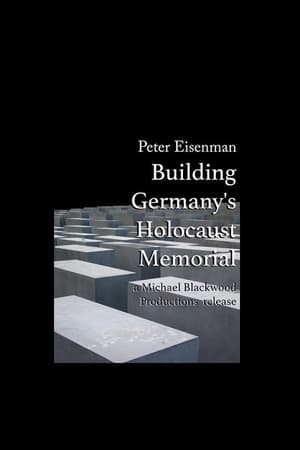
This documentary explores the creation of the Holocaust Memorial in Berlin as designed by architect Peter Eisenman. Reaction of the German public to the completed memorial is also shown.
2009
Heimatkunde
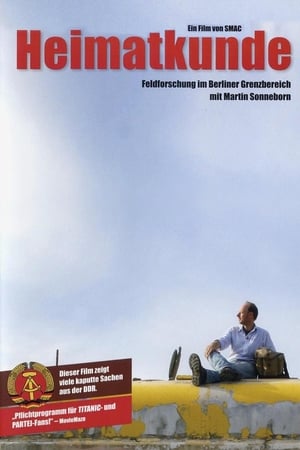
Former "Titanic" satire magazine editor Martin Sonneborn takes an undercover trip around Berlin and discovers the East-German mentality and what is left of the socialist German Democratic Republic.
2008

Bomb It
Through interviews and guerilla footage of graffiti writers in action on five continents, the documentary tells the story of graffiti from its origins in prehistoric cave paintings thru its notorious explosion in New York City during the 70’s and 80’s, then follows the flames as they paint the globe.
2007
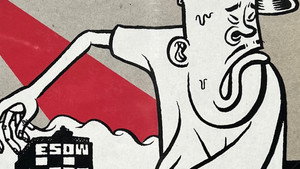
RackGaki: Japanese Graffiti
Dedicated to Japan's rackgaki (graffiti) scene, this DVD brings to life the imagery of the book and includes footage of graffiti being created. Set to a soundtrack by some of Japan's leading Trip-Hop artists, the viewer is fully immersed in the subculture that is Japanese graffiti.
2007
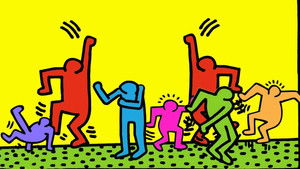
Drawing the Line: A Portrait of Keith Haring
Short documentary about artist Keith Haring, detailing his involvement in the New York City graffiti subculture, his opening of the Pop Shop, and the social commentary present in his paintings and drawings.
1989
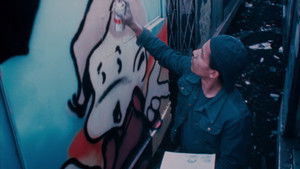
Style Wars
Tony Silver and Henry Chalfant's PBS documentary tracks the rise and fall of subway graffiti in New York in the late 1970s and early 1980s.
1984
Lebensdaten
1976
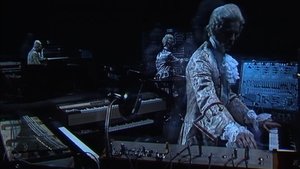
Tangerine Dream - Signals from the Schwäbischen Strasse
German TV film, also shown on Spanish TV in 1976, this is a film all about TD which includes informal interviews and concert/studio footage, most of which seems to have been done exclusively for the film. The interviews are in the German language. The street name in the title refers to where Edgar Froese used to live in Berlin (apparently Klaus Schulze lived on the same street at the time) and is now the site of the TDI offices.
1976
Das Märkische Viertel - Aussichten und Einblicke
Documentary about a district of Berlin
1973
Berliner Pflaster
Commissioned by the Berliner Landesbildarchiv, this movie shows countless impressions of (West) Berlin everyday life, accentuated with self-ironic commentary.
1956