Watch TRANSIT (2010) Online Free
In this documentary Angela Zumpe searches for traces of her brother, who moved from west to east Germany in 1968 to live in the DDR but killed himself eight months after.
More Like This
Junge Deutsche im Mai
Every year, the most beautiful, best and proudest representatives of German youth meet in Dresden to take to the streets together.

The Last Summer of the GDR: Freedom and Anarchy
After the fall of the Berlin Wall, citizens of East Germany had to get used to a new way of consuming, working, and living. New-found freedoms were a breath of fresh air for many but in the chaos leading up to reunification with West Germany, the experience was also disconcerting.
2024
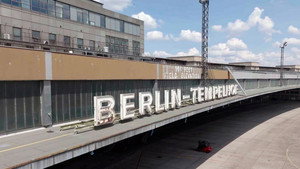
Berlin Tempelhof Airport - Gateway to Freedom
Located in former West Berlin, Tempelhof Airport reflects the dramatic history of the 20th century. Once a Nazi showpiece, it later became a symbol of freedom during the Berlin Airlift and the Cold War. In 1978, East German citizen Constanze Glien unexpectedly arrived here after her flight was hijacked, changing the course of her life.
2024

Change of Scenery
Born in Germany in 2002, Noa Blanche Beschorner evokes the memory of those who, a generation before her, lived through the separation of East and West Germany. Tapetenwechsel (Change of Scenery) is the story of youth seeking their identity when confronting their collective memory.
2022

When a City Rises
Behind the gas masks of Hong Kong’s democracy movement, the often very young activists are just as diverse as the youths of the rest of the world. But they share a demand for democracy and freedom. They have the will and the courage to fight – and they can see that things are going in the wrong direction in the small island city, which officially has autonomy under China but is now tightening its grip and demanding that ‘troublemakers’ be put away or silenced. Amid the violent protests, we meet a 21-year-old student, a teenage couple and a new father.
2021
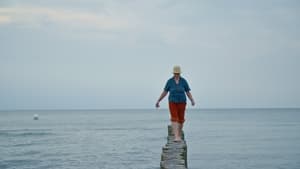
Uferfrauen - Lesbian Life and Love in the GDR
Portraits six lesbian protagonists from rural and metropolitan parts of the formerly socialist Republic and has them tell their captivating and sometimes outrageous life stories.
2020
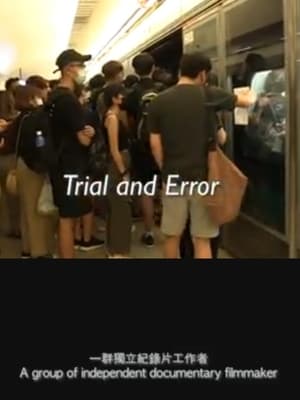
Trial and Error
This Anti-ELAB (Anti-Extradition Law Amendment Bill) Movement documentary short takes us back to the airport occupation on 12 August 2019. Although this new form of protest soon turned into a crisis, it became an important lesson for the protesters. Compared to the tension inside the airport terminal, the long walk home at sunset on the Lantau highway, which connects the Hong Kong International Airport to the residential areas, felt like a reminiscence of a school field trip.
2020
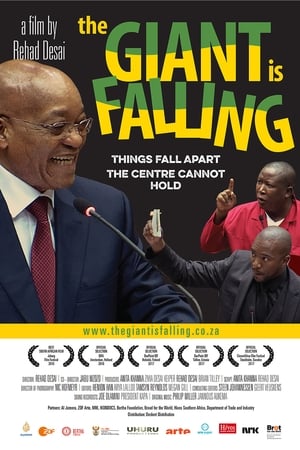
The Giant is Falling
The film documents the key political issues in recent years in South Africa that have marked the demise of the African National Congress (ANC). These include the Marikana massacre in August 2012, whereby 34 striking miners were gunned down by the ANC government's police force. Rehad Desai documented this historic event in his 2013 film MINERS SHOT DOWN. He refers to the incident once again in his latest film and shows how the ANC is undermining its close connections to the trade unions it set up as a freedom movement under Nelson Mandela, and how students have also turned on the party to protest against tuition fees under the motto #FeesMustFall. The film's compelling footage unmasks the cynical despotism of corrupt president Jacob Zuma, who is chiefly responsible for the ANC's demise and its catastrophic losses at the most recent elections. It also introduces opposition movements that are challenging his now-untenable position.
2016
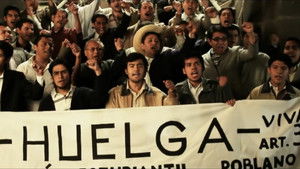
La Historia de Esos Días
2016
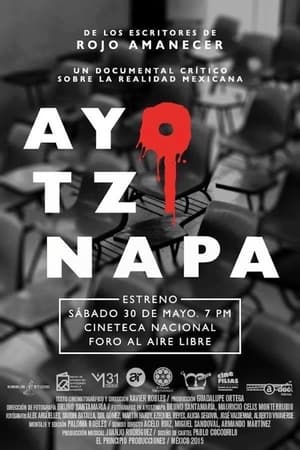
Ayotzinapa
This film is a story, testimony and documentation of the forced disappearance of 43 student teachers, which exposes the criminal complicity between the police and military authorities, between the political and economic elites and criminal organizations in Mexico, which appear to be different forces, but respond to similar interests.
2015
Dragan Wende - West Berlin
Dragan Wende has lived in Berlin since the '70s and has seen the city change through the years. His nephew comes to live with him as Dragan remembers the better days he lived as a Yugoslavian immigrant in a divided city.
2014

OstPunk! Too much Future
Tells the story of punk in the GDR.
2006
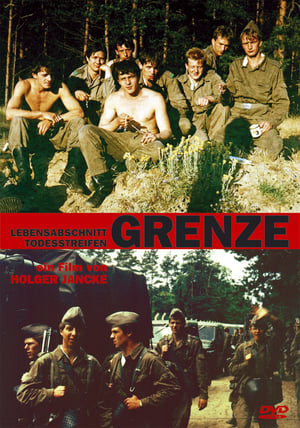
Grenze
In February 1986 they received the call of a fatherland that no longer exists: four young GDR citizens on the verge of adulthood see themselves forced, like so many others in East and West Germany, to do their one and a half years of military service. What is special: Their service area is the border system, an anti-imperialist protective wall according to their superiors, death strips and prison bars for a population incapacitated in naked reality. Now, seventeen years later, there is a reunion with the comrades and the old post. This feature film, which was the first in reunified Germany to deal with the inner workings of the GDR border troops, tells of life on the fence, the associated contradictions and some hot phases in the Cold War.
2004
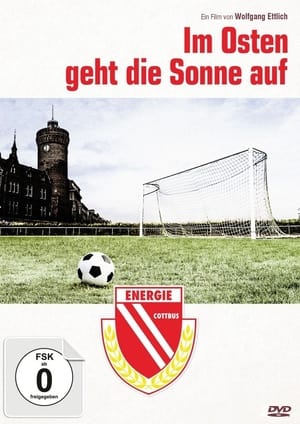
Im Osten geht die Sonne auf
Energie Cottbus, a small soccer club from the periphery of the republic, got promoted to the first division of the Bundesliga. Everyone was sure: They will get relegated immediately again! But everything turned out differently! The underdog club gave Cottbus — which was to many only known from scare stories about lack of prospects and unemployment – joy, hope, and pride. The film looks behind the scenes and shares the thrill of the people for the finale of the season.
2001
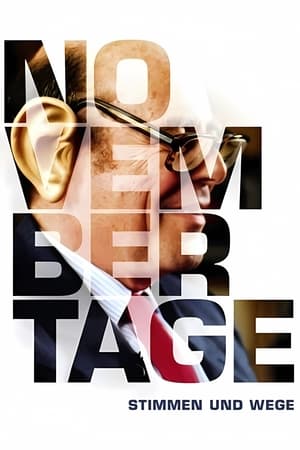
November Days
Marcel Ophüls interviews various important Eastern European figures for their thoughts on the reunification of Germany and the fall of Communism.
1991
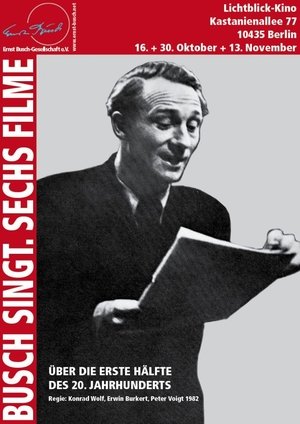
Busch singt – Sechs Filme über die erste Hälfte des 20. Jahrhunderts
"Busch singt" consists of 6 films "About the first part of our century" and does not present Ernst Busch only as a singer but is a film with and about Busch as a chronicler and fighter for communist ideals of his time. Konrad Wolf died during the production, he directed part 3 "1935 oder Das Faß der Pandora" and part 5 "Ein Toter auf Urlaub".
1982
La parte bassa
Divided into three parts (two documentary and one fictional), the film explores the early stages of the 1977 movement, between demonstrations and heated assemblies at the Circoli del Proletariato Giovanile of the State University of Milan. The daily difficulties and the search for redemption are told without rhetoric, but with a raw reflection on social marginalization.
1978
Krawall
A Swiss political documentary about the Zurich youth unrest of 1968
1970
Přátelství ve jménu míru
1952
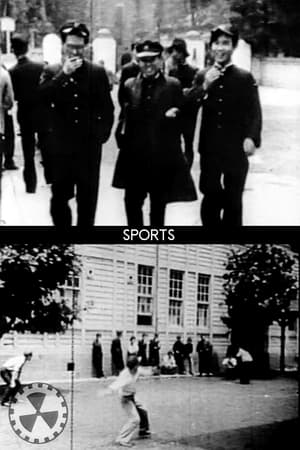
Sports
The film is about a protest provoked when the university decided to restrict access to sports facilities to athletes, cutting out all other students. This is, strictly speaking, not a Prokino film. It was produced by the Waseda University Film Circle, which was organized by Kawazoe Shiro. Feature film directors Yamamoto Satsuo and Taniguchi Senkichi were apparently students at Waseda at the time and participated in the production.
1932