Watch This Wine of Love (1947) Online Free
Nemorino is hopelessly in love with Adina but she is attracted to a dashing captain.
Cast
Nelly Corradi, Gino Sinimberghi, Tito Gobbi, Loretta Di Lelio, Gina Lollobrigida, Silvana Mangano, Italo Tajo, Fiorella Carmen Forti, Flavia Grande, Franco Pesce, Giuseppe Rinaldi
More Like This
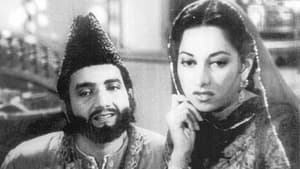
Mirza Ghalib
A fictionalized account of the life of poet and nobleman Mirza Ghalib during the reign of the last Mughal Emperor, told through the lens of his ill-fated love for a beautiful courtesan he called Chaudhvin.
1954

The Butterfly Lovers
A traditional chinese story about a girl, Zhu Yingtai, daughter of the noble Mr. Zhu, who goes to Hangzhou to study, dressed as a boy. There, she meets a student, Liang Shanbo, with whom she becomes good friends. They go to school together for the following years, and Zhu gradually falls in love with Liang.
1954
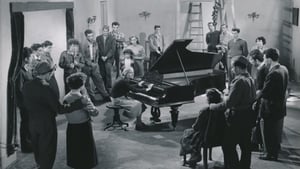
The Concert
Celebrating the end of World War II and liberation of their city, a group of students is set on holding a cultural evening. They invite Ema, a reclusive piano teacher from the same building, to play for them. Ema declines, but starts reminscing back on her own life and the historical events that have seemingly overshadowed it.
1954
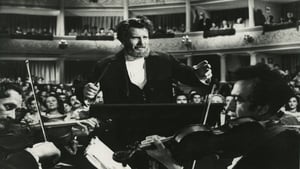
Erkel
We have linguists, we have literary men, we have newspapers, actors, musicians, but we have no national opera!", lamented the champions of national revival in the middle of the last century. Hungarian music culture at home is limited to the performance of works by foreign composers. And the public demands Hungarian opera, and such a challenge is not easy to meet. So let's see who is up to the task!
1952
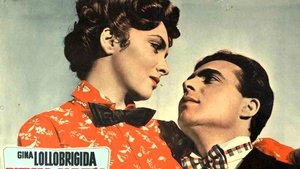
The Young Caruso
This music filled biopic follows the life of the legendary tenor Enrico Caruso from childhood poverty in Naples to the beginning of his rise to fame.
1951
Child of the Danube
Marika is a cheerful girl who lives on the Danube aboard an old barge she inherited from her father. She works as a waitress in her aunt's inn, entertaining the guests with singing and dancing. Her greatest dream is to save enough money to repair the old barge and sail down the Danube. One day, she meets three young artists, Georg, Oskar, and Christoph, who all fall in love with her. Together, they put on an open-air revue and raise the necessary money. And with Georg, Marika is lucky in love.
1950
Die Fledermaus
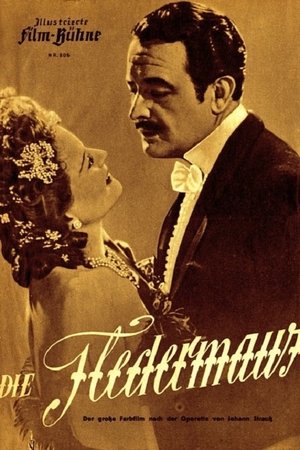
Theater director Falke, dressed as a bat, ends up in prison after a merry carnival night. Director Frank only releases him after some time. Falke decides to take revenge on his friend Gabriel von Eisenstein, to whom he owes the whole affair. The annual masked ball at Prince Orlofsky's provides the opportunity. Falke stages a game of mistaken identity in which Eisenstein does not recognize his own wife and courts her, while maid Adele appears as the countess. Eisenstein is duped, Falke has taken his revenge.
1946
Träumerei
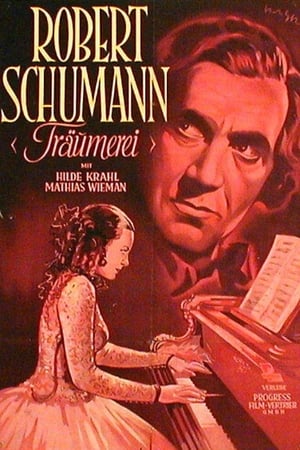
A musical film based on biographical facts about Clara Wieck's love for composer Robert Schumann (1810-1856), her marriage against her will, Schumann's triumph, and his tragic end due to mental illness. The film is beautiful and entertaining, full of noble spirit and beautiful words about art and love, which only conflict in a theoretical context; not least thanks to its solid cast, this film is quite serious and far from kitsch. Completed in 1944, during World War II, the film was rejected by the Nazi leadership, but was eventually released and enjoyed success with an audience already weary of war.
1944

Der weiße Traum
The young ice skating talent, Liesl, lands a part in a new Revue at the Palast Theatre simply because she is confused with someone else. In reality, the roll was to be awarded to Lu Panther, the untalented girlfriend of the theatre's owner, Wildner. After a series of accidents and little disasters, Wildner shuts down the theatre before the Revue can take place. But the Revue's director, Ernst Eder, decides shortly thereafter to present the Revue on an ice skating rink belonging to Liesl's uncle. After a successful run, at first at the Wiener Prater, the performers move on to Spain, Hungary, and a night club with a Jazz orchestra. The Revue becomes a huge success ... and, of course, Ernst and Liesl end up together, too.
1943
Damals
Vera Meiners' life was sweet but unfortunately for her, it was not to last. Her husband, Jan, left her after she met a former lover in a harmless friendly meeting. Forced to resume her disrupted medical career, she worked in a Swiss clinic but, without the knowledge of the chief surgeon, Vera ordered a risky operation to be performed and was thereafter fired. Penniless, she then works in Spanish nightclubs in order to provide for herself and her child. After many years, she runs into her friend Frank again in one of these nightclubs...
1943
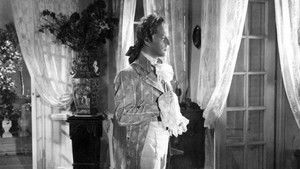
Whom the Gods Love
In the first of Hartl's two Mozart biographies, Hans Holt plays the robust and dashing composer who, in keeping with the spirit of the film's time of origin, sets out into the world like a soldier of art after his falling out with the Salzburg authorities. Instead of conquering lands, he conquers the hearts of young ladies, like one of his most famous creations.
1942

Sun Valley Serenade
When Phil Corey's band arrives at the Idaho ski resort its pianist Ted Scott is smitten with a Norwegian refugee he has sponsored, Karen Benson. When soloist Vivian Dawn quits, Karen stages an ice show as a substitute.
1941
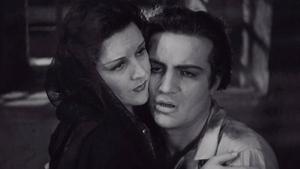
Tosca
Non-musical account of Puccini's opera: Tosca and Cavaradossi are in love, but the tyrant Scarpia desires Tosca and oppresses Cavaradossi who is fighting for freedom.
1941
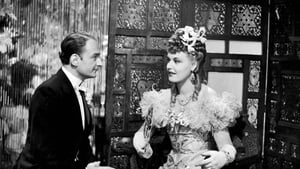
Operette
A musician is offered a job in Vienna as stage director, but his disagreements with the aristocratic opera manager end in abrupt firing in spite of a mutual attraction. He's quickly engaged by another theatre and becomes famous for his lavish stage productions and fine acting, which begins their golden age with Suppé and Strauss.
1940
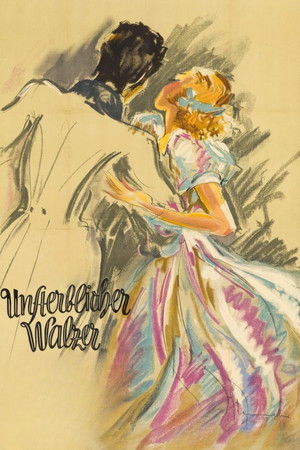
Immortal Waltz
Johann Strauss firmly established himself as the leader of a dance orchestra in Vienna in the 1840s. His sons Johann junior and Josef have clearly inherited their father's talent. Nevertheless, father Johann is strictly opposed to both of them training as composers.
1939
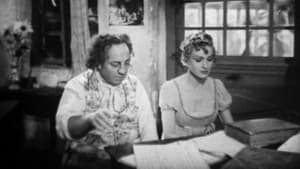
The Life and Loves of Beethoven
Lyrical biography of the classical composer, depicted as a romantic hero, an accursed artist.
1937
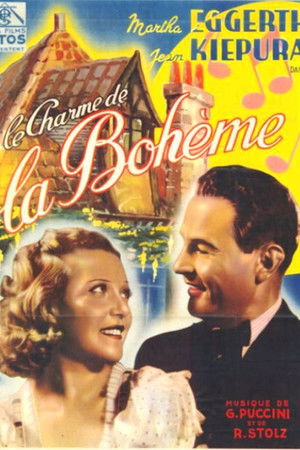
The Charm of La Bohème
René and his two artist friends lead a meager but careless life in a Parisian small apartment, their main worry being to avoid the housekeeper. Whenever they get some money they call more friends in and celebrate. This is how he meets beautiful but fragile Denise, who wants to be a singer as himself, and they fall in love. Yet when she finds out her real condition she takes a drastic decision which will determine their fates. La Bohème arias, and more.
1937
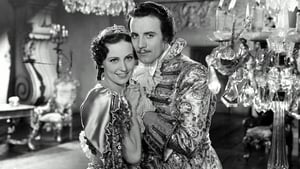
The Beggar Student
To take a revenge on countess Laura, who slapped him at his proposal, the Governor of the occupied Poland gets her fall in love with a poor student, and exposes him during wedding banquet.
1936

Roman Scandals
A kind-hearted young man is thrown out of his corrupt home town of West Rome, Oklahoma. He falls asleep and dreams that he is back in the days of olden Rome, where he gets mixed up with court intrigue and a murder plot against the Emperor.
1933
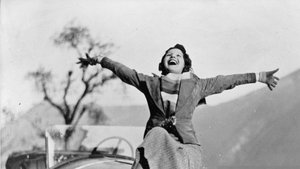
The Song of Night
He was known as Anatole Litvak during his Hollywood directorial career, but he was still Anatole Litwak when he helmed the German musical Das Lied Einer Nacht (The Song of Night). Famed Polish tenor Jan Kiepura stars as famed Italian tenor Ferraro. Escaping from his tyrannical manager, Ferraro switches identities with a young tourist (Fritz Schulz) and goes off on an unscheduled Swiss holiday. Still travelling incognito, our hero falls in love with a winsome mountain girl (Magda Schneider). Alas, both his romance -- and his freedom -- are placed in jeopardy when it turns out that the charming young fellow with whom Ferraro traded identities was actually a notorious swindler. Anatole Litvak also directed the English-language version of Das Lied Einer Nacht, Be Mine Tonight
1932