Watch The White Stadium (1928) Online Free
A profile of the 1928 Olympic Games in St. Moritz, Switzerland.
Cast
Sonja Henie
More Like This

Laure ! Laure ! Laure !
2025

Tom Daley: Illegal to Be Me
Tom Daley visits the most homophobic countries in the Commonwealth to explore how gay athletes are facing extreme persecution. What can the Commonwealth Games do to help?
2022
L'Odyssée des Jeux olympiques
2021
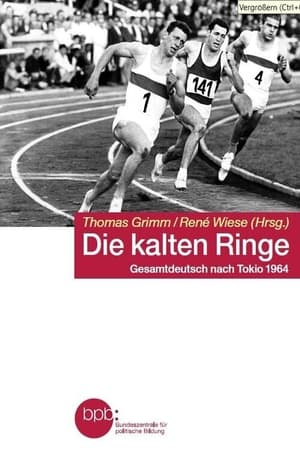
Die kalten Ringe
19 years after the dropping of atomic bombs in Japan, the Olympic Games of 1964 took place in Tokyo. In the midst of the cold war, the games are supposed to become a symbol for a peaceful world. Especially the divided Germany is expected to prove this: By order of the IOC, both German states must participate in Tokyo with a joint team despite deep ideological rifts. The fact that athletes from both German states still had to compete against each other in order to form a joint team for the 1964 Olympic Games in Innsbruck and in Tokyo is all but forgotten. The film tells the story of the East-West German team of 1964 for the first time and is simultaneously a current document about the relation of sports and politics in international relations.
2021
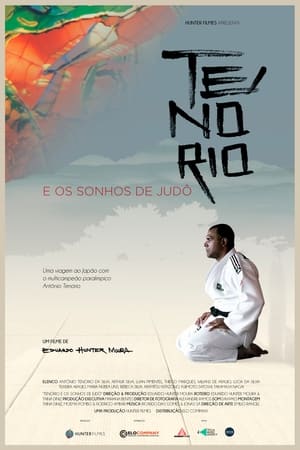
Tenório and the Dreams of Judo
Antônio Tenório and the Brazilian Paralympic Team are invited to a rare training camp in Japan. Passing through the main temples of Judo, our visually impaired athletes face the many challenges of training in an unknown country. The encounter with their Japanese hosts generates strangeness and difficulties, but also discoveries and joys. Step by step, these situations strengthen our athletes, who find themselves increasingly united. Led by the charisma and sensitivity of champion Tenório, a new generation of judo is revealed and inspired.
2021
The Queen of Basketball
Part of the Almost Famous series. She was arguably the greatest women's basketball player. She won three national trophies; she played in the ’76 Olympics; she was drafted to the NBA. But have you ever heard of Lucy Harris?
2021
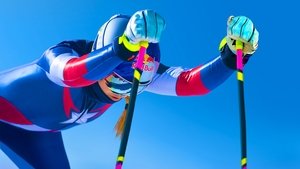
Lindsey Vonn: The Final Season
Universally recognized as the greatest female skier ever, Lindsey Vonn went on a remarkable journey that was defined by unexpected twists and turns and dramatic peaks and valleys in its final chapter. LINDSEY VONN: THE FINAL SEASON intimately recounts the iconic skier’s last competitive campaign while looking back on her transcendent career, from child prodigy to decorated Olympian to global superstar.
2019
Tuna on Tour
The world’s biggest fish market is to make room for a highway during the Olympic Games 2020 in Tokyo. After more than 80 years in daily business, the relocation of over 14,000 dealers is a turning point. Especially for old-established dealers this step is not easy. Within four days, all dealers, souvenir and shoe shops, restaurants and service providers such as knife sharpeners are to be relocated to the new location on an artificial island. The closure of Tsukiji is a step towards modern digital real-time trading and we are the only foreign reporter with exclusive access to accompany this adventurous relocation.
2019

Hitler's Games, Berlin 1936
Summer 1936 - The Berlin Olympics, organized by the Nazi regime on the eve of World War II, acted as a grand showcase for a Germany that was athletic, peaceful and rejuvenated. The violence and hate that until then had reigned in the streets of Berlin suddenly vanished. Adolf Hitler became the triumphant host of European countries he would soon try to invade or face in a deadly global conflict.
2016
Olympia 1936. Der verratene Traum
The film chronicles the story of how the Nazis and the IOC turned, to their mutual benefit, a small sports event into the modern Olympics. The grand themes and controversial issues from the 1936 Games have continued to this day: Monumentality, budget overruns, collusion with authoritarian regimes, corruption and sometimes even bribery.
2016
The Race to Dope
Russia is about to be banned from participating in the next Olympics. Six other countries are on the watch list. Not a week goes by without a new doping scandal in the world of sports. But how does the doping system really work? Who designs the programmes and who supplies the substances? Filmed in 11 countries, this multi-sports investigation explores the implications of widespread doping.
2016
London 2012: Gymnastics - Going for the Gold
At the 1996 Atlanta Games, the Magnificent Seven became the first American women to ever win gymnastics team gold. Sixteen years later, in London, the Fierce Five joined them in the history books. Relive all the excitement as Gabby Douglas, Aly Raisman, Jordyn Wieber, McKayla Maroney and Kyla Ross take the lead from the first rotation and never look back on their way to gold. Follow Gabby Douglas on her way to the podium to make it three straight American gold medals in the individual all-around competition. Every individual event final is featured on this DVD, including Aly Raisman's historic gold-medal performance in the floor exercise, her bronze on the balance beam, as well as McKayla Maroney's silver medal in the vault.
2012
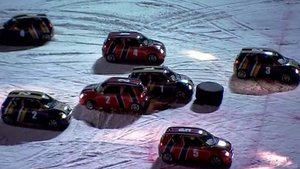
Top Gear: Winter Olympics Special
The Top Gear team hit Norway for a Winter Olympics special in which they attempt Olympic events, but with cars. In a world first, the team fire a rocket-powered Mini off a ski jump, Jeremy and James tackle the biathlon with the latest 4x4s, Richard stages a game of car ice hockey, and the new Jaguar XK races a speed skater.
2006
Marathon
A documentary covering the 1992 Olympic Games in Barcelona.
1993
Sapporo Winter Olympics
A artistic and unconventional approach to winter sports, using striking visuals, sound design, and a focus on both the spectacle and the human element—including behind-the-scenes figures like ice maintenance workers—to create an intimate and aesthetically unique portrayal of the Olympics.
1972
13 Days in France
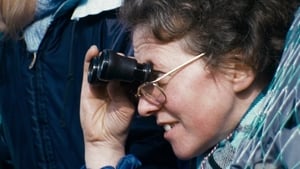
This colorful documentary chronicles the events of the 1968 Winter Olympics in France. The events made international celebrities of skater Peggy Fleming and skier Jean-Claude Killy for their gold-medal performances. The camera accurately catches the speed of bobsleds and downhill racers and ski jumpers as they race for the gold. President Charles DeGaulle is shown observing the action over 13 days, which saw France earn the best performance to date in the winter games.
1968
Tokyo Olympiad
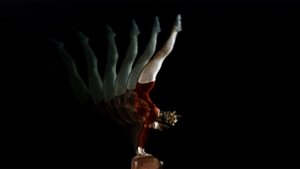
This impressionistic portrait of the 1964 Tokyo Summer Olympics pays as much attention to the crowds and workers as it does to the actual competitive events. Highlights include an epic pole-vaulting match between West Germany and America, and the final marathon race through Tokyo's streets. Two athletes are highlighted: Ethiopian marathon runner Abebe Bikila, who receives his second gold medal, and runner Ahamed Isa from Chad, representing a country younger than he is.
1965
The Road to the Tokyo Olympics
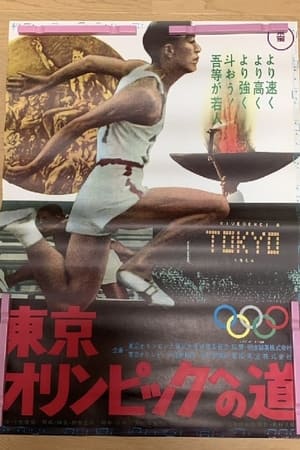
A documentary film that includes footage of past Olympics held in different countries with an particular emphasis on the activities and successes of Japanese athletes and how they are currently (circa 1963) improving themselves.
1963
Olympia Part Two: Festival of Beauty
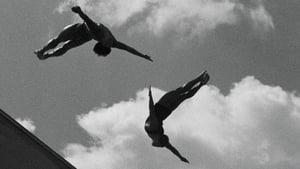
Part two of Leni Riefenstahl's monumental examination of the 1938 Olympic Games, the cameras leave the main stadium and venture into the many halls and fields deployed for such sports as fencing, polo, cycling, and the modern pentathlon, which was won by American Glenn Morris.
1938
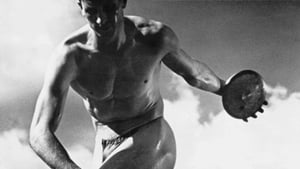
Olympia Part One: Festival of the Nations
Starting with a long and lyrical overture, evoking the origins of the Olympic Games in ancient Greece, Riefenstahl covers twenty-one athletic events in the first half of this two-part love letter to the human body and spirit, culminating with the marathon, where Jesse Owens became the first track and field athlete to win four gold medals in a single Olympics.
1938