Watch The Open Secret (2022) Online Free
A documentary that explores questions of secrecy and power in relation to the East German Secret Police (the 'Stasi') within East German society. The film is based upon key findings from an extensive research project, 'Knowing the Secret Police', and reflects upon how different kinds of knowledge were circulated through social, religious, political and literary networks within the former GDR. The filmmakers present this research with footage filmed at key locations throughout East Berlin and the wider surrounding landscape, including the Stasi archives and former HQ, Karl-Marx-Allee, Volkspark Friedrichshain, rural 'dacha' cabins, the urban neighbourhood of Prenzlauerberg and the social housing estates of Marzahn.
Cast
Andrea Zapp
More Like This

Pride & Attitude
The viewpoints of women from a country that no longer exists preserved on low-band U-matic tape. GDR-FRG. Courageous, self-confident and emancipated: female industry workers talk about gaining autonomy.
2025

The Last Summer of the GDR: Freedom and Anarchy
After the fall of the Berlin Wall, citizens of East Germany had to get used to a new way of consuming, working, and living. New-found freedoms were a breath of fresh air for many but in the chaos leading up to reunification with West Germany, the experience was also disconcerting.
2024
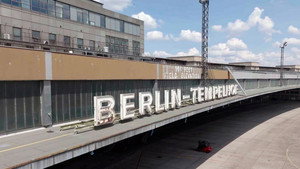
Berlin Tempelhof Airport - Gateway to Freedom
Located in former West Berlin, Tempelhof Airport reflects the dramatic history of the 20th century. Once a Nazi showpiece, it later became a symbol of freedom during the Berlin Airlift and the Cold War. In 1978, East German citizen Constanze Glien unexpectedly arrived here after her flight was hijacked, changing the course of her life.
2024
Intercept: A Century of Signals Intelligence
A thought provoking documentary feature film providing a comprehensive exploration of the evolution of signals intelligence over the past century. Whether you're intrigued by the secretive world of intelligence agencies or concerned about the implications of digital surveillance, this film will leave you with a deeper understanding of the role signals intelligence plays in society.
2023

Change of Scenery
Born in Germany in 2002, Noa Blanche Beschorner evokes the memory of those who, a generation before her, lived through the separation of East and West Germany. Tapetenwechsel (Change of Scenery) is the story of youth seeking their identity when confronting their collective memory.
2022
The First Year
The First Year tells the inside story of Jamie Driscoll’s first 12 months as the new North of Tyne Mayor.
2021
Plutocracy III: Class War
The early struggles of the working class are placed under a microscope in Plutocracy III: Class War, the latest chapter in an exceptionally well produced series which explores the origins of America's growing economic divide.
2017
Meeting Snowden
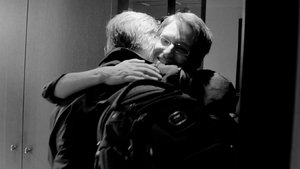
Moscow, Russia, December 2016. Edward Snowden, Larry Lessig and Birgitta Jónsdóttir meet for the first time in a secret place. Apparently, Russia is interfering in the US presidential elections while it mourns the death of its ambassador to Turkey. Snowden carefully chooses his interviews, so nobody really knows something about him. As the world prepares for Christmas, they gather to discuss the only issue that matters, their common struggle: how to save democracy.
2017
The Red Elvis
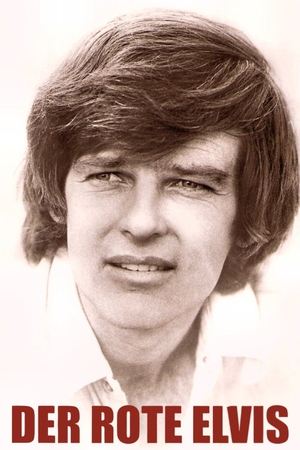
A documentary on the late American entertainer Dean Reed, who became a huge star in East Germany after settling there in 1973.
2007

OstPunk! Too much Future
Tells the story of punk in the GDR.
2006
Fahrenheit 9/11
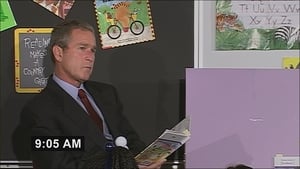
Michael Moore's view on how the Bush administration allegedly used the tragic events on 9/11 to push forward its agenda for unjust wars in Afghanistan and Iraq.
2004
The Ministry for State Security - Everyday life at a public authority
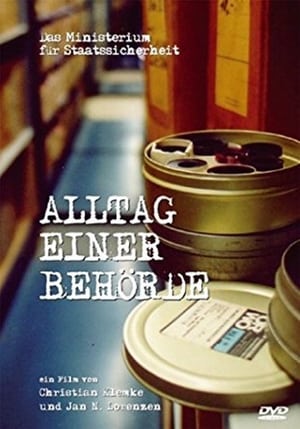
Former heads, senior officers and the rector of the MfS law school explain how the ministry functioned. The interviewees see themselves as legitimate actors with a clear mandate and political enemy image. They provide an insight into the techniques and routines of secret service work, psychological tricks during interrogations and the management of “unofficial collaborators”. What they all have in common is that they are not aware of any moral guilt. The directors contrast their footage of prisons and archives with the statements of former Stasi employees in an attempt to expose their evasions and efforts at suppression.
2002
Im Osten geht die Sonne auf
Energie Cottbus, a small soccer club from the periphery of the republic, got promoted to the first division of the Bundesliga. Everyone was sure: They will get relegated immediately again! But everything turned out differently! The underdog club gave Cottbus — which was to many only known from scare stories about lack of prospects and unemployment – joy, hope, and pride. The film looks behind the scenes and shares the thrill of the people for the finale of the season.
2001
I Have Lived Many Lives
A portrait of the leading female Bolshevik (and later Worker’s Opposition) revolutionary leader Alexandra Kollontai using her own words.
1983
Che, Today and Always
A sound system plays Commander Ernesto Guevara's speech, delivered on October 20, 1962, during the Second Anniversary of the Young Communist League, along with a series of archival images of the revolutionary leader visiting factories and meeting with workers.
1983

Propaganda Message
A cartoon film about the whole heterogeneous mixture of Canada and Canadians, and the way the invisible adhesive called federalism makes it all cling together. That the dissenting voices are many is made amply evident, in English and French. But this animated message also shows that Canadians can laugh at themselves and work out their problems objectively.
1974

British Sounds
Jean-Luc Godard brings his firebrand political cinema to the UK, exploring the revolutionary signals in late '60s British society. Constructed as a montage of various disconnected political acts (in line with Godard's then appropriation of Soviet director Dziga Vertov's agitprop techniques), it combines a diverse range of footage, from students discussing The Beatles to the production line at the MG factory in Oxfordshire, burnished with onscreen political sloganeering.
1970
Serbia on the East
The last months in the life of a Serbian philosopher and socialist activist Svetozar Marković and his exile by the government of the Serbian Princedom.
1970
Unity SPD – KPD
Documentary about the merging of the Communist Party of Germany and the Socialist Unity Party of Germany in the Soviet occupation zone, a merger that would lead to the creation of the Socialist Unity Party that would rule the soon-to-be-created East Germany until 1989.
1946
Junge Deutsche im Mai
Every year, the most beautiful, best and proudest representatives of German youth meet in Dresden to take to the streets together.