Watch The Last Season: Shawaks (2009) Online Free
"The Last Season: Shawaks" revolves around an extended Shawak family whose life is marked by seasonal migration.
Cast
Aga Erel, Ayse Erel, Dilara Erel, Emine Erel, Osman Erel, Rabia Erel, Simar Erel, Yeter Ilki, Kader Topal
More Like This

The Desert Wagon
A couple of artists travels through the Mexico desert to present their puppet show.
2024

detours while speaking of monsters
Here, where even monsters are political, the topography has its own memory. It has the mythological blues. Meanwhile, old gods are upset with us, and I am upset with my father.
2024
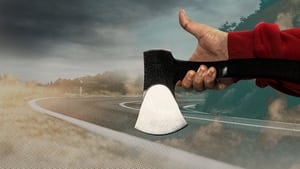
The Hatchet Wielding Hitchhiker
After Kai saves a woman's life, he turns into an overnight hero and viral sensation — until disturbing truths about his erratic behavior come to light. This shocking documentary chronicles a happy-go-lucky nomad's ascent to viral stardom and the resulting steep downward spiral.
2023

The White Caravan
The neon sign ‘Circus’ illuminates the wide street of Naples’ suburbs: four circus families were abandoned by the institutions, and now they’re awaiting the pandemic will disappear, like a magic show. The circus has stopped, but their lives go on.
2022
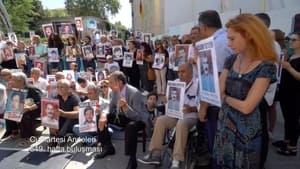
Incomplete Sentences
Aslı Erdoğan, world-renowned author and activist, has fallen into silence after she fled to Germany. Incomplete Sentences is a feature documentary on her literature and life, leading to exile in Frankfurt, after the Turkish regime’s oppression results in her unlawful imprisonment. Now, she struggles in exile while everybody is waiting for her to write again. Right after getting out of prison Aslı starts telling her story to the director, wandering in the streets of Istanbul she recites parts from her books and explains the stories behind. When Aslı goes to Germany to receive the Erich Maria Remarque Award she cannot return; thus her exile, which she likens to a semi-open prison, begins. As her health deteriorates and keeps her from writing, the tragedy in her books becomes her own reality.
2022
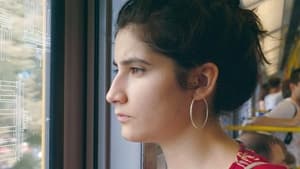
Köy
KÖY (Turkish for village) is about the longing for home, for belonging and the freedom of the self. Three women from three generations are united by their Kurdish roots.
2022
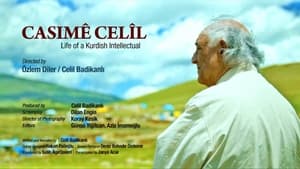
Jiyana Rewsenbireki Kurd: Casimê Celîl
Casimê Celîl was born into a Yezidi Kurdish family in 1908, in a village called Kızılkule, located in Digor, Kars. The village and family life, which he longed to remember throughout his life, ends with the massacre they endured in 1918. During his long road to Erivan, Armenia, he lost all his family members. Left all alone, Casim was placed into an orphanage and was forced to change his name. To remember who he was and where he came from, every morning he repeated the mantra “Navê min Casim e, Ez kurê Celîlim, Ez ji gundê Qizilquleyê Dîgorê me, Ez Kurdim, Kurdê Êzîdî me”, which translates to: “My name is Casim, I am the son of Celîl, I come from the village of Kızılkule in Digor, I am a Kurd, and I am Yezidi”. He clings to every piece of his culture he can find, reads, and saves whatever Kurdish literature or art he comes across. As the year’s pass, Casim finds himself with an impressive collection of Kurdish culture and history.
2021
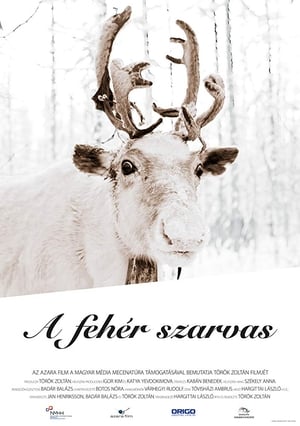
The White Reindeer
Imagine one of the most remote wildernesses in the world. Granddaughter Masha and Vladimir, the protagonists of this story from Central Siberia try the impossible to keep their nomadic traditions alive.
2019
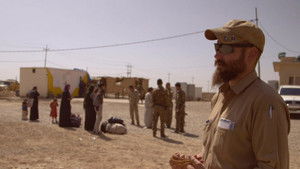
My War
A disturbing portrait of four Western volunteers who risk their lives to fight ISIS alongside Kurdish forces. The feature documentary 'My War' probes the complex motives behind the need to take up arms on someone else’s behalf.
2018
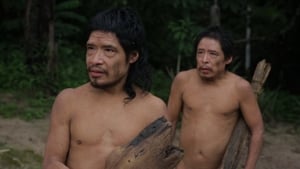
Piripkura
The last two surviving members of the Piripkura people, a nomadic tribe in the Mato Grosso region of Brazil, struggle to maintain their indigenous way of life amidst the region's massive deforestation. Living deep in the rainforest, Pakyî and Tamandua live off the land relying on a machete, an ax, and a torch lit in 1998.
2018
Tawai: A Voice from the Forest
Explorer Bruce Parry visits nomadic tribes in Borneo and the Amazon in hope to better understand humanity's changing relationship with the world around us.
2017
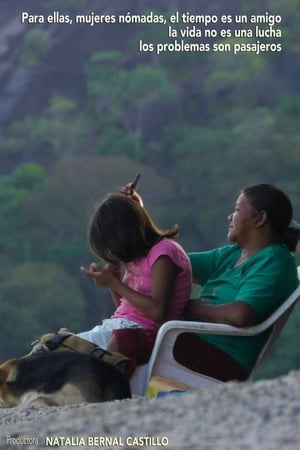
Walkers of time
María is an Amorúa girl; an indigenous group that traveled the savannas of Orinoquía as nomads. She lives with her grandmother Matilde, her sister diana and her cousins in Puerto Carreño, in the Colombia-Venezuela border. The amorúa are considered wild and are not literate. Matilde wants her granddaughters to learn to write and read to live better in this town of "rational whites" as they call us. The director follows María's life for 8 years from her childhood to her adolescence and invites her to travel the places her grandma did as a nomad.
2017
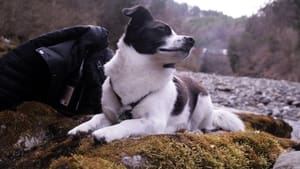
Refugee Poetry
The Kurdish Iraqi poet and actor Zeravan Khalil travels with his dog through an Alpine gorge after fleeing from IS war and genocide. As he remembers the abomination, he writes a poem with the title “You drive me mad” in Kurmanji Kurdish. In his home country, Yazidic Kurds are forbidden to work in his profession. Then he eats his apple and wanders through Europe’s middle with more hope.
2016
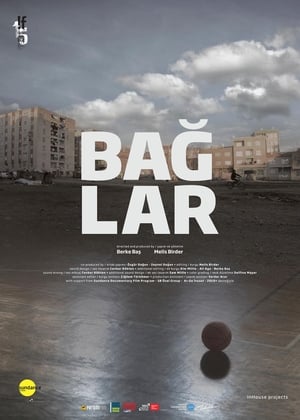
Baglar
An underdog basketball team under the helm of an idealist school teacher from hard scrabble Diyarbakir in Southeastern Turkey goes beyond winning games in their mission to rise above prejudice, poverty and political turmoil created by the decades long conflict between the Turkish state and Kurdish rebels who are fighting for local autonomy and cultural rights.
2016
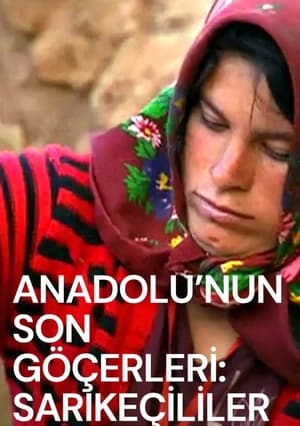
Last Nomads in Anatolia: Sarikecilis
Sarikecilis are the last representatives in Anatolia of the centuries-old tradition of nomadism. Making their way to sea level in winter, and to the highlands in summer, they spend seven months of the year in transit, living off of the goats they keep. This documentary film is telling the story of the last Nomadic tribe in Anatolia within their natural habitat.
2010
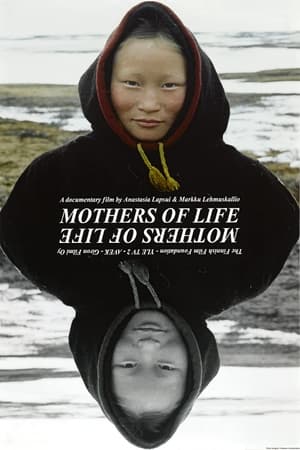
Mothers of Life
A documentary on the experiences of the Nubetya Yaptiks nomadic family in the Yamal Peninsula, Eastern Siberia, from 1992 to 2001.
2002
Leyla Zana, le cri au-delà de la voix étouffée
Leyla Zana, the first woman Kurdish MP to be elected to the Turkish Parliament in 1992, was impisoned in 1994 for 15 years for speaking in Kurdish in the Parliament. Kudret Gunes' personal look at the life of Zana takes her to her birth-place, friends and exiled husband.
2002
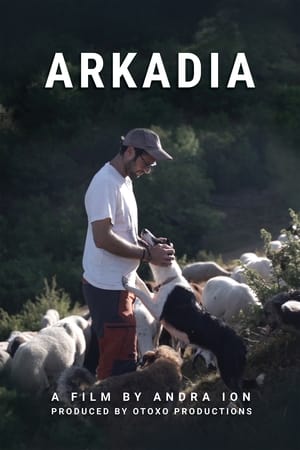
Arkadia
In a world where farming is mechanized and farm animals are fed with products coming from across the globe, a young shepherd is trying to keep his practice sustainable by using ancestral ways to raise his flock.
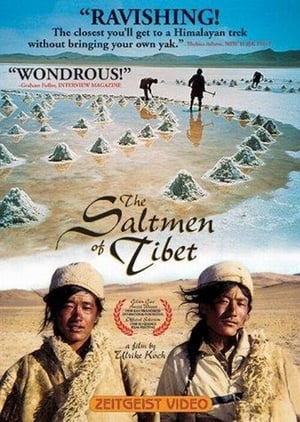
The Saltmen of Tibet
Four men from a nomadic Tibetan tribe undertake their annual, ritualistic pilgrimage to a sacred salt lake. Salt gathered in this traditional fashion will be sold to provide the economic livelihood of the tribe for the coming year. The journey, necessary for the group's survival, also incorporates a number of rituals necessary for their culture to survive in the modern world.
1997
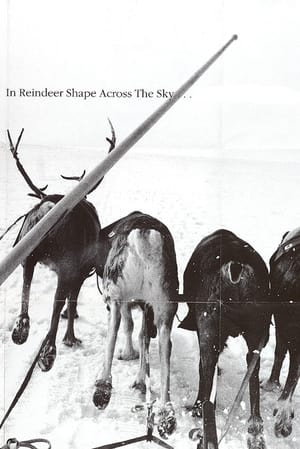
In Reindeer Shape Across the Sky...
This Finnish documentary film directed, written, produced and shot by Markku Lehmuskallio is the first part of a documentary trilogy about the Nenets people. It's a folkloric documentary describing the traditional nomadic life of the Nenets on the Yamal Peninsula. It includes Nenets songs sung by Anastasia Lapsui and her mother Maria Lapsui. The film was the first film collaboration of Markku Lehmuskallio and Anastasia Lapsui.
1993