Watch The History of a Butterfly: A Romance of Insect Life (1910) Online Free
Directed by one of the pioneers of the cinematic industry, James Williamson, The History of a Butterfly - A Romance of Insect Life is an intriguing look at the life cycles of butterflies and moths. Caterpillars are seen hatching, feeding and ready for pupation and with three caterpillars changing into chrysalis and the birth of a peacock butterfly, this black and white silent film is an early example of British natural history filmmaking.
More Like This
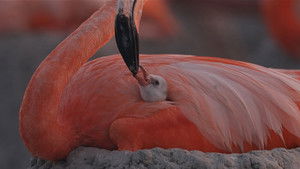
Flamingos: Life After the Meteorite
The search for the right partner, place, and moment to start a family is one of nature's most crucial journeys. This breathtaking story of love, survival, and perseverance follows Caribbean flamingos through one of the most fragile stages of their lives. With Julieta Venegas’ voice and Bryce Dessner’s music setting the tone, this film offers a unique and immersive cinematic experience, capturing the beauty and struggles of these extraordinary birds.
2026
Belianske Tatry – posolstvo horských stepí
2023
Changing Landscapes
Changing Landscapes meditates upon the care and carelessness humans brought to bear on the environment in Scotland. Rare archive combines with performances from the BBC Scottish Symphony Orchestra.
2022
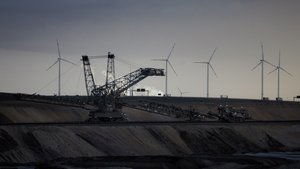
The Unpredictable Factor
In today's climate debate, there is only one factor that cannot be calculated in climate models - humans. How can we nevertheless understand our role in the climate system and manage the crisis? Climate change is a complex global problem. Increasingly extreme weather events, rising sea levels, and more difficult living conditions - including for us humans - are already the order of the day. Global society has never faced such a complex challenge. For young people in particular, the frightening climate scenarios will be a reality in the future. For the global south, it is already today. To overcome this crisis, different perspectives are needed. "THE UNPREDICTABLE FACTOR" goes back to the origins of the German environmental movement, accompanies today's activists in the Rhineland in their fight against the coal industry and gives a voice to scientists from climate research, ethnology and psychology.
2022
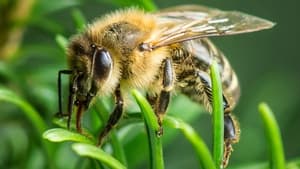
Im Wald der wilden Bienen
2022
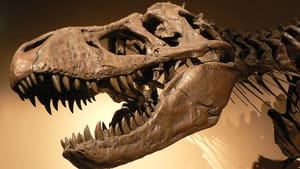
Des-Extinción
2019
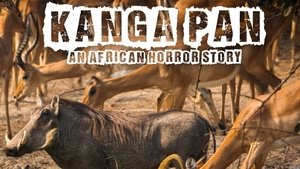
Disparitions autour du Kanga Pan
2019
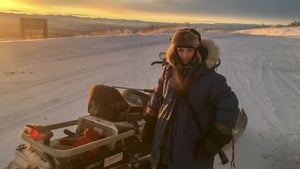
L'école d'Arthur
2019
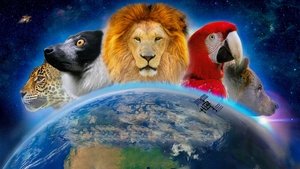
Wonderful World 3D
Our world is the home of millions of plant as well as animal species and provides several territories, each with its own geological and climatic conditions: steep mountains, deep forests, wide oceans and arctic ice deserts. The inhabitants have adapted to its different conditions and are still developing new strategies to survive. “Wonderful World 3D” not only takes a look at the interesting creatures of our planet, but also highlights cosmological circumstances, which made our world unique, diversified and above all so adorable.
2014
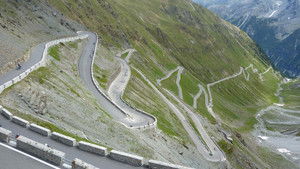
Stelvio: Crossroads of Peace
2014
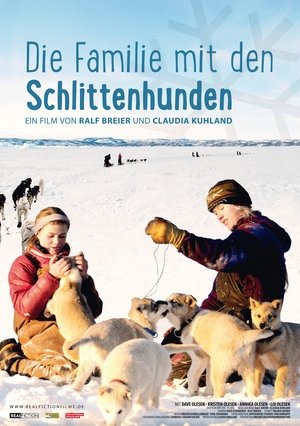
Not Without My Dogs
Out of love for Huskies, nature and cold winters Dave and Kristen Olesen moved from Minnesota to the North West Territories in Canada 25 years ago to create their own little universe on the magnificent East arm of Great Slave Lake. With their two daughters Annika 15 and Liv 12 and their 37 dogs, the Olesens enjoy a unique lifestyle in the wide open wilderness far away from civilization. One winter they all leave their self-built homestead with ten dogs on a two and a half thousand mile family expedition allowing Annika to run the Junior Iditarod in Alaska. As unexpected obstacles all along the trip culminate in three heavily injured dogs the whole endeavor is at risk. Optimism, love and loyalty prevail on this exciting epic family voyage.
2013
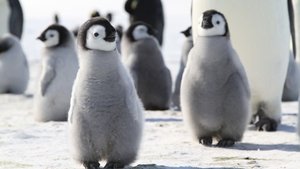
Pengi and Sommi
Baby Emperor Penguin Pengi and Sommi's Ultimate Challenge Begins! At 60 degrees below zero, winter has come to the South Pole, the coldest glacial region in the world. Abandoned due to its bitter coldness, the South Pole is greeted by the real natives of this place, the Emperor Penguins, who have come to welcome new lives. Through the indescribable love and care given by mom and dad, baby Emperor Penguins Pengi and Sommi awake from their egg shells. Gluttonous Pengi, the number one trouble maker in the South Pole, and cutie Sommi, who loves daddy's embrace the best, become great friends. Then one day, Sommi’s dad goes out to the sea to seek her out. Sommi left all alone, cold and starving to the brink of death, and Pengi desperately tires to help Sommi through her troubles. Could Pengi and Sommi possibly overcome numerous hardships and become beautiful full-grown Emperor Penguins?
2012
Two Letters for Ana
A medium-length film that takes the central place in the video installation "The Lady of Corinth". In both the medium-length film and the installation, Guerin delves into the relationship between cinema and painting based on Pliny the Elder's account of the invention of painting.
2011
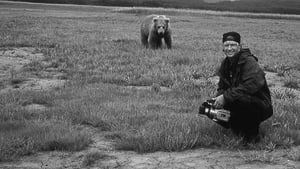
Grizzly Man
Follows the story of "Grizzly Man" Timothy Treadwell and what the thirteen summers in a National Park in Alaska were like in his attempt to protect the grizzly bears. The film is full of unique images and a look into the spirit of a man who sacrificed himself for nature.
2005
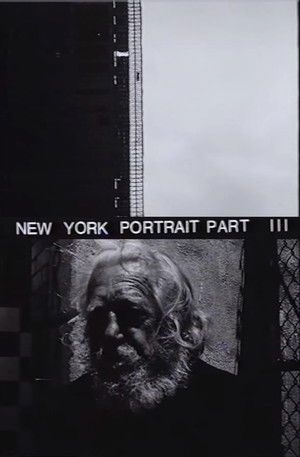
New York Portrait, Chapter III
"[Hutton’s] latest urban film, New York Portrait, Chapter III, takes on a unique tone in relation to Hutton’s ongoing exploration of rural landscape. The very fact that Hutton is dealing with older footage, with archives of memory more than immediacy, gives it a different texture than his earlier New York films. Hutton always found the presence of nature in the city, not only in his many shots of sky and vegetation, but also in the geometry and texture of the city itself, which seemed to project an independence from the human." (Tom Gunning)
1990
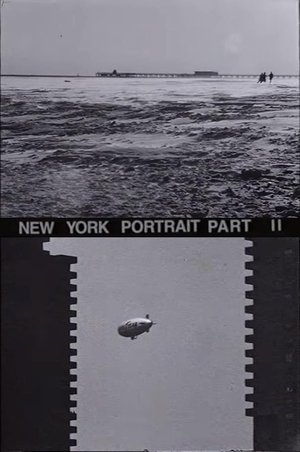
New York Portrait, Chapter II
Chapter Two represents a continuation of daily observations from the environment of Manhattan compiled over a period from 1980-1981. This is the second part of an extended life's portrait of New York.
1981
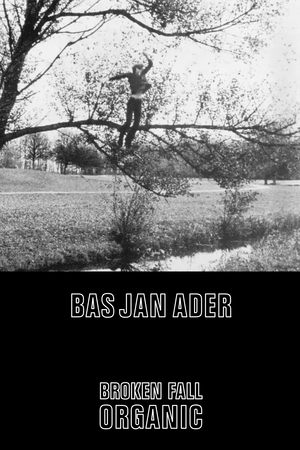
Broken Fall (Organic)
Bas Jan Ader hangs from the branch of a tall tree, until he loses his grip and falls into a river below.
1971
Clouds
Clouds 1969 by the British filmmaker Peter Gidal is a film comprised of ten minutes of looped footage of the sky, shot with a handheld camera using a zoom to achieve close-up images. Aside from the amorphous shapes of the clouds, the only forms to appear in the film are an aeroplane flying overhead and the side of a building, and these only as fleeting glimpses. The formless image of the sky and the repetition of the footage on a loop prevent any clear narrative development within the film. The minimal soundtrack consists of a sustained oscillating sine wave, consistently audible throughout the film without progression or climax. The work is shown as a projection and was not produced in an edition. The subject of the film can be said to be the material qualities of film itself: the grain, the light, the shadow and inconsistencies in the print.
1969
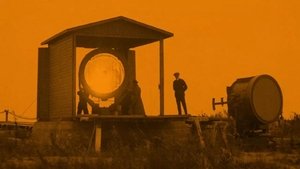
Finlandia
A documentary from Erkki Karu, one of the earliest pioneers of Finnish cinema: This government-produced propaganda film introduces the nature, sports, military, agriculture and capital of Finland.
1922
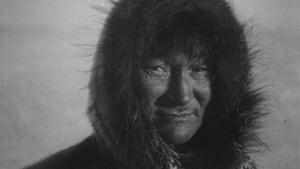
Nanook of the North
This pioneering documentary film depicts the lives of the indigenous Inuit people of Canada's northern Quebec region. Although the production contains some fictional elements, it vividly shows how its resourceful subjects survive in such a harsh climate, revealing how they construct their igloo homes and find food by hunting and fishing. The film also captures the beautiful, if unforgiving, frozen landscape of the Great White North, far removed from conventional civilization.
1922