Watch The Face of AIDS (2016) Online Free
Loading Cinehub...
Therese Frare's photograph of the AIDS activist David Kirby on his deathbed incited international controversy when it was used in a United Colors of Benetton advertisement in 1992. This short documentary, commissioned by TIME Magazine for their series 100 Photos about the most influential photographs of all time, features photographer Therese Frare, former Benetton Creative Director Oliviero Toscani, and the artists and AIDS activists Tom Kalin and Marlene McCarthy.
More Like This
Riverboom
In the year following the 9/11 terrorist attacks, young journalist Claude Baechtold finds himself in the war zone of Afghanistan. Not entirely voluntarily, the avowed anti-militarist is dragged by two fearless reporters on a round trip through the entire country.
2024

The Real Anthony Fauci
Different experts make a stand against today's putatively criminal and harmful health system, focusing on Anthony Fauci and his role in the shaping of the AIDS and COVID-19 epidemics.
2022

In the Theatre of the Gogs
A contemplation of art and adventure in the southern wilds of New Zealand by both a landscape photographer and an adventure filmmaker. This film is the unexpected result of their two unique perspectives.
2021

Everything at Once (Paco & Manolo's Gaze)
Paco and Manolo are two Catalan photographers from the outskirts of Barcelona who have been working together for thirty years as if they were a single person, capturing their images in Kink magazine, a very personal photography fanzine with a homoerotic aesthetic of Mediterranean essence.
2021

The Beauty President
In 1992, at the height of the AIDS pandemic, activist Terence Alan Smith made a historic bid for president of the United States as his drag queen persona Joan Jett Blakk. Today, Smith reflects back on his seminal civil rights campaign and its place in American history.
2021

Chun
A short documentary about Chun, who lives in Vienna.
2020

Paris in the Belle Epoque
The Bokelberg photographic collection brings to life the Paris of the Belle Époque (1871-1914), an exhibition of workshops and stores with extremely beautiful shop windows before which the owners and their employees proudly pose, hiding behind their eyes the secret history of a great era.
2019

Keeping the Promise: AHF 30 Years Documentary
Through interviews with key AIDS Healthcare Foundation (AHF) stakeholders from over the years coupled with archival video footage culled from AHF's 30 years of advocacy, care and activism, 'Keeping the Promise' tells a compelling story of AHF's history while offering a glimpse of, and road map to its future.
2018

32 Pills: My Sister's Suicide
Traces the life and mental illness of New York artist and photographer Ruth Litoff, and her sister's struggle to come to terms with her tragic suicide.
2017
The Boy Who Found Gold
William Hart McNichols is a world renowned artist, heralded by Time magazine as "among the most famous creators of Christian iconic images in the world". As a young Catholic priest from 1983-1990 he was immersed in a life-altering journey working as a chaplain at St. Vincent's AIDS hospice in New York city. It was during this time that he became an early pioneer for LGBT rights within the Catholic church. "The Boy Who Found Gold" is a cinematic journey into the art and spirit of William Hart McNichols. The film follows his colorful life as he crosses paths with presidents, popes, martyrs, and parishioners, finding an insightful lesson with each encounter. McNichols' message as a priest, artist and man speaks to the most powerful element of the human spirit: Mercy.
2016
Walter Mittelholzer - Eine Schweizer Pioniergeschichte
2015
Honorable Ronald V. Dellums: San Francisco Foundation Community Leadership Awards 2005
Honorable Ronald V. Dellums, winner of the San Francisco Foundation 2005 Community Leadership Awards (Robert C. Kirkwood Award) - for his decades of courage, leadership, and vision in championing peace, justice, diversity, and economic equality, both locally and globally, and for his impact in moving the AIDS pandemic and its solutions to the top of the global agenda.
2009
James Andersen: Over 50 Years of Taking Pictures
James Andersen: Over 50 Years of Taking Pictures is a culmination of photos, films that are brought to life with Andersen's own words. The James Andersen collection documents over 50 years of community life in and around Makkovik, Labrador. The stories that accompany "Uncle Jim's" work explain why for over 50 years he has never been without a camera as he documented daily rituals and life. Andersen does not shy away from telling these stories but shares them with conviction and with a voice that honours each event's importance; the church being rebuilt, fish being caught, and stories of sickness and death are each told with the same reverence.
2006

Daidō Moriyama: Stray Dog of Tokyo
A documentary that follows the life of photographer Daido Moriyama in the present, which has never been revealed before. Even though his charismatic presence has reigned over the world of photography since the late 60’s, his true persona had been hidden behind a veil of mystery, since he had refused any major appearances in front of any media in the past. Follow the charismatic photographer Daido Moriyama as he takes his first digital photos and observe his style of quick snapshots without looking in the finder. His stark and contrasting black and white images symbolize his fervent lifestyle.
2001
Voices of Positive Women
Voices of Positive Women is a ground-breaking documentary examination of the impact of HIV and AIDS on the lives of women working from material published in the book "Positive Women", a collection of personal accounts of women from all over the world living with AIDS and HIV. Bravely sharing their experiences publicly in what until now has been a void of information and support, and in some cases medical and bureaucratic denial that women are even at risk, the nine women presented in Voices of Positive Women speak compellingly on their own terms of their personal struggles for survival and voice.
1992
Are We Going Backward?
An experimental documentary covering the British Columbia Social Credit Party's passage of Bill 34, a piece of legislation that legalized the quarantine and internment of people with HIV/AIDS. A comparison is made to the internment of Japanese Canadians in British Columbia during World War II. Based on David Tuff's video installation at Emily Carr in 1988.
1989
Ich lebe in der Gegenwart - Versuch über Hans Richter
1973
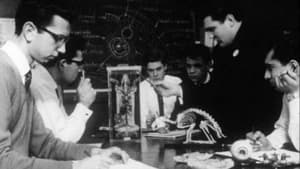
Comprehensive School
The joys of 1960s modern education - as seen at a not-exactly-typical local comp.
1962

Cameramen at War
A tribute to the cameramen of the newsreel companies and the service film units, in the form of a compilation of film of the cameramen themselves, their training and some of their most dramatic film.
1943
The Human Factor 2014
Feeling unfair about the power's portrayal of all its opponents, at the dawn of the '68 protests a young man decided to become a photographer to set things right. "Taking a good picture is a great act of faith". Tano D'Amico thus began a journey that would lead him to be at the forefront of the social battles of the 1970s: the birth of new movements, "the appearance on the threshold of history of a people who had never entered history", the hopes, illusions and betrayals. Tano still continues to photograph workers, the homeless, migrants, the last people and all those who take protest to the streets.