Watch The Divided Union: The Story of the American Civil War Online Free
Peter Batty presents a gripping account of the bloodshed and horror of the American Civil War. From the origins of the unrest between North and South, the specific events of the war and the eventual assassination of Abraham Lincoln, this program is a powerful, comprehensive account of the American Civil War with large scale battle re-enactments, superb contemporary photographs and period music.
More Like This
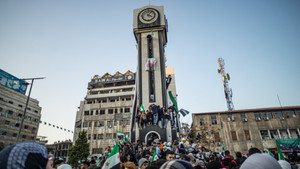
Homs - Syrie, la vie d’après
After twelve years in exile, Syrian journalist and filmmaker Daham Alasaad returns to Homs, devastated by the war in Syria. Once the city of his childhood, it is now a relic of an authoritarian regime, where different communities (Sunnis, Christians, Alawites) are trying to rebuild their lives together after terrible years of division and destruction. Thanks to Daham Alasaad's close relationship with the city's inhabitants, the director highlights some very moving characters, torn between grief, fear, the need for justice, and the desire for peace and reconciliation. By opening up naturally to the camera, they allow viewers to experience what Syrians of all backgrounds are going through today. "Homs-Syria, Life After" is a personal and political investigation into the ability of this symbolic city to rebuild hope on the ruins of a Syria ravaged by more than fifteen years of war and facing an uncertain future.
2025
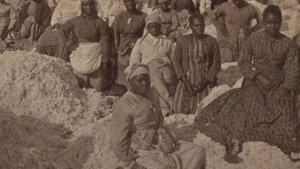
"La case de l'oncle Tom", du héros au traître
A huge bestseller in its day, the novel Uncle Tom's Cabin championed the abolitionist cause while perpetuating racist prejudices about African Americans. A remarkable analysis of a work steeped in ambivalence, which left a lasting impression on readers.
2025
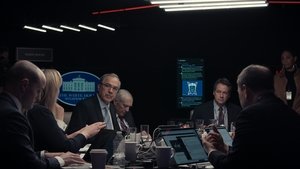
War Game
A bipartisan group of U.S. defense, intelligence, and elected policymakers spanning five presidential administrations participate in an unscripted role-play exercise in which they confront a political coup backed by rogue members of the U.S. military, in the wake of a contested presidential election.
2024
The Cost of Inheritance
The decades-long debate surrounding reparations is fraught, mired in racial tension and the semantics of restorative justice. While the national conversation remains stalled due to legislative inaction, communities across the country examine their histories and take it upon themselves to arrange their own form of reparations. This detailed investigation of restitution presents accounts of everyday people confronting the past and exploring the possibilities of wealth transfer.
2023
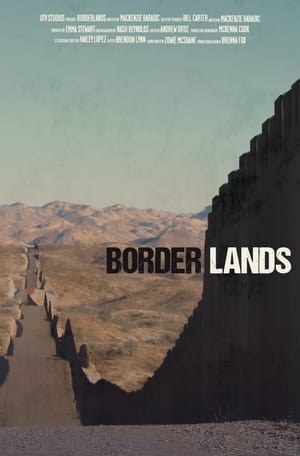
Borderlands
Fleeing the 1980 Civil War in El Salvador, Dora Rodriguez, among a group of twenty-five asylum seekers, were abandoned by their guide and left to fend for themselves in the relentless Sonoran desert of Arizona.
2023
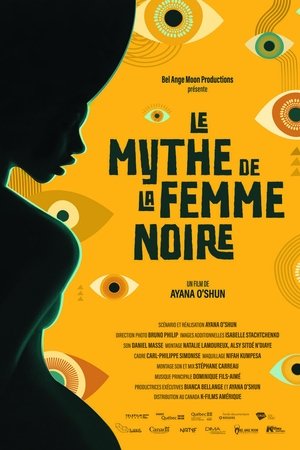
The Myth of the Black Woman
The Myth of the Black Woman is a feature-length documentary that examines the imagery of black women in the media, from the 18th century black slave to Michelle Obama. It is an investigation into how stereotypes originate from slavery and still affect the lives of black women in Quebec. These stereotypes include Jezebel (the seductress, the femme fatale); Mammie (the obese woman, the asexual mother figure) and Sapphire (the angry, ambitious and arrogant black woman). This story will be told by black women on whom stereotypes have a high impact, through interviews with fascinating experts, and through archival footage from centuries past to the present.
2023

I Am Patrick: The Patron Saint of Ireland
Peels back centuries of legend and myth to tell the story of Saint Patrick through historical reenactments, expert interviews and Patrick’s own writings, tracing his journey from man to saint. https://www.youtube.com/watch?v=i95AQhvtzsA
2020
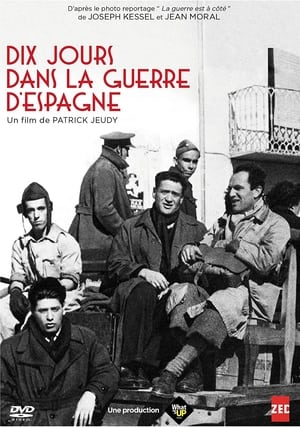
Dix Jours dans la guerre d'Espagne
2016
Destination Home
A Liberian refugee SAM REAYAH and his family have been separated for five years and live in uncertainty waiting for family reunion. While Sam and his younger daughter Ruth continue their lives in Buduburam Refugee camp in Ghana, his wife Decontee and his older daughter Joyce have already started a life in Rochester, USA. The film explores the idea of home. Sam's family had a home in Liberia, but they had to give it up. They were forced to build homes elsewhere. They built a home in Ghana. They build a home in The United States. They built homes together, they build homes separate of each other. But which home does the heart want?
2014
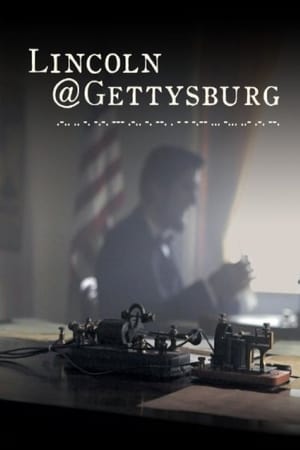
Lincoln@Gettysburg
An examination of how President Abraham Lincoln used contemporary telecommunications to his maximum advantage in the American Civil War.
2013
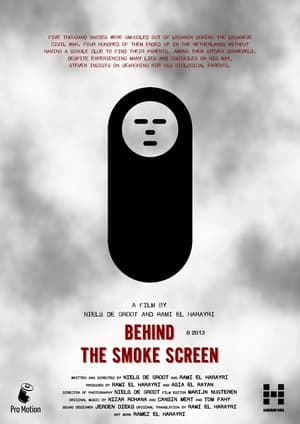
Behind the Smoke Screen
2013
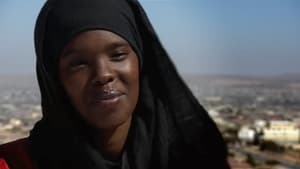
Escape from the World's Most Dangerous Place
Successful model Samira Hashi makes an emotional return to Somalia, one of the most dangerous places in the world and the place she was born. Civil war broke out in 1991, 10 days after Samira's birth, but two years later her family managed to flee the country and she grew up in the UK.Now, as Samira and the war both turn 21, she's going back for the first time to visit the people and places she left behind. The contrast with her safe and glamorous life in London could not be starker as she experiences firsthand the war's effect on a generation of young people growing up in conflict.
2012
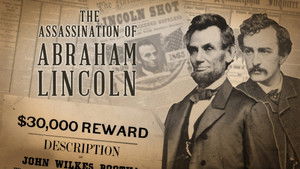
The Assassination of Abraham Lincoln
Just days after the Civil War ended, President Abraham Lincoln was assassinated at Ford's Theatre. As a fractured nation mourned, a manhunt closed in on his assassin, the twenty-six-year-old actor, John Wilkes Booth. The Assassination of Abraham Lincoln tracks the converging paths of the president and his killer, then tracks and draws connections between their last journeys, in the forms of Lincoln's funeral train route and Booth's desperate efforts to escape.
2009
Meeting David Wilson
African American filmmaker David A. Wilson decided to look into his family's history during the slave era. The result is this documentary, which provides a unique perspective on the long shadow cast by slavery in America. Wilson travels to North Carolina to visit the plantation where his ancestors once toiled and to meet its current owner -- a white man named David Wilson, whose slave-owning ancestors originally occupied the property.
2008
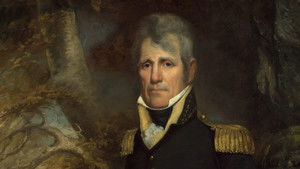
Andrew Jackson: Good, Evil & The Presidency
A fascinating account of the presidency of Andrew Jackson, who was both one of America's great presidents and a borderline tyrant. The seventh president shook up the glossy world of Washington, DC with his "common-man" methods and ideals, but also oversaw one of the most controversial events in American history: the forced removal of Indian tribes, including the Cherokees, from their homes.
2007
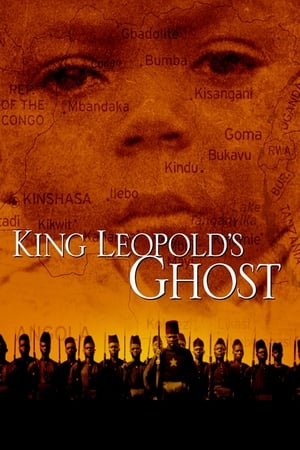
King Leopold's Ghost
The modern history of the Congo, the heart of Africa, is a terrifying tale of appalling brutality: how the greedy and incredibly ruthless King Leopold II of Belgium (1935-1909) turned a vast country into his private estate (1885-1908) and how he plundered the land and raped the bodies and souls of its defenceless inhabitants, causing countless victims; and what exactly is the true impact of this often forgotten story of crime and horror today.
2006
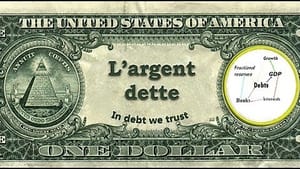
Money as Debt
Paul Grignon's 47-minute animated presentation of "Money as Debt" tells in very simple and effective graphic terms what money is and how it is being created
2006
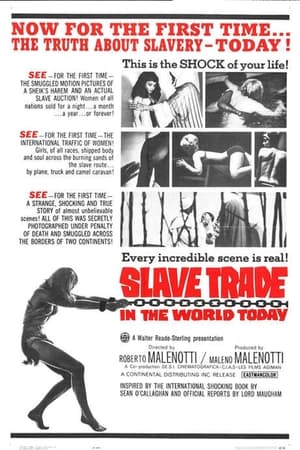
Slave Trade in the World Today
The film documents modern slave trade through a number of African countries, under dictatorship rule. The filming was conducted both in public places, and sometimes with the use of hidden cameras, for high impact scenes of nudity, sex, and violence - and a few surprises, as slaves made out of peregrins to Asia, and slave traders paid in traveller checks.
1964
Robert E. Lee: A Background Study
Robert E. Lee, born in Virginia in 1807, was deeply influenced by his Southern heritage and the legacy of his family, particularly his father, who served in the American Revolution. Raised by his mother, Lee learned values of self-control and integrity. He graduated second in his class from the United States Military Academy and had a distinguished military career, serving the Union before the Civil War. Despite his opposition to secession, he chose to lead the Confederate Army when Virginia seceded. Lee's military strategies were notable, achieving significant victories, yet he faced ultimate defeat at Gettysburg. After the war, he became president of Washington College, promoting peace and reconciliation while embodying principles of integrity and duty.
1953
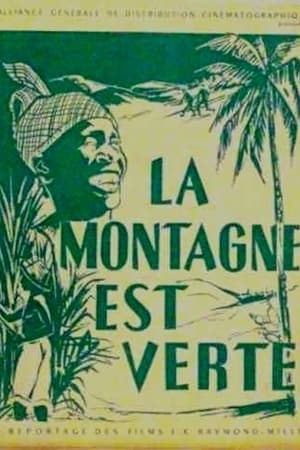
Green is the Mountain
Historical documentary about the life of Victor Schoelcher, a French politician and abolitionist active from 1848 to 1893.
1950