Watch The Corbett-Fitzsimmons Fight (1897) Online Free
This legendary fight was filmed on March 17, 1897, using 63mm film that produced an aspect ratio of about 1.75:1. Using three adjacent cameras, Enoch Rector recorded the entire fight, simultaneously creating the world's first known feature film, as the resulting footage lasted over 90 minutes in length. About a quarter of the film survives today.
Cast
James J. Corbett, Bob Fitzsimmons, Billy Madden, George Siler, John L. Sullivan
More Like This
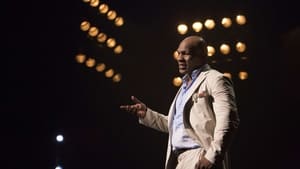
Mike Tyson: Undisputed Truth
Mike Tyson's one-man show is a fascinating journey into his storied life and career. MIKE TYSON: UNDISPUTED TRUTH is a rare, personal look inside the life and mind of one of the most feared men ever to wear the heavyweight crown. Directed by Academy Award® nominee Spike Lee, this riveting one-man show goes beyond the headlines, behind the scenes and between the lines to deliver a must-see theatrical knockout.
2013
La vida sin memoria parece dulce
Iván Ávila Dueñas uses domestic found footage material. We observe a mineral engineer, a priest and a constructor filming their personal life in Zacatecas, Mexico between 1930 ad 1950.
2013
Fists of Pride
Fists of Pride follows Little Tiger and his fellow fighters as their Thai coaches prepare them for the annual Water Festival competition. In a boxing camp on the Thai-Burmese border the children of mostly illegal migrant workers fleeing Burma live and train for prize fights. In a region where combat sports have always been a matter of honor and money, the film reveals their daily struggles. Bets are open and as the hope of prize money rizes, the young boxers contemplate what it could mean for them and their families
2011
Silent Britain
Long treated with indifference by critics and historians, British silent cinema has only recently undergone the reevaluation it has long deserved, revealing it to be far richer than previously acknowledged. This documentary, featuring clips from a remarkable range of films, celebrates the early years of British filmmaking and spans from such pioneers as George Albert Smith and Cecil Hepworth to such later figures as Anthony Asquith, Maurice Elvey and, of course, Alfred Hitchcock.
2006
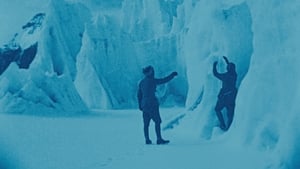
The Epic of Everest
The official record of Mallory and Irvine's 1924 expedition. When George Mallory and Sandy Irvine attempted to reach the summit of Everest in 1924 they came closer than any previous attempt. Inspired by the work of Herbert Ponting (The Great White Silence) Captain Noel filmed in the harshest of conditions, with specially adapted equipment, to capture the drama of the fateful expedition.
1924
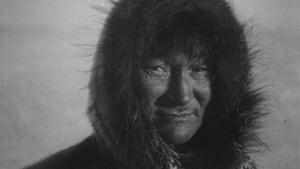
Nanook of the North
This pioneering documentary film depicts the lives of the indigenous Inuit people of Canada's northern Quebec region. Although the production contains some fictional elements, it vividly shows how its resourceful subjects survive in such a harsh climate, revealing how they construct their igloo homes and find food by hunting and fishing. The film also captures the beautiful, if unforgiving, frozen landscape of the Great White North, far removed from conventional civilization.
1922
Unser Hindenburg
Short about Field Marshal Paul v. Hindenburg on the occasion of his 70th birthday on 02.10.1917.
1917
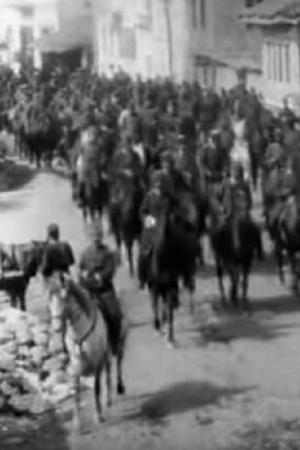
The Defilee of Army Orchestra, Carriages and Horsemen
Early Balkan footage.
1908
The Celebration of Saint George
Early Balkan footage.
1905
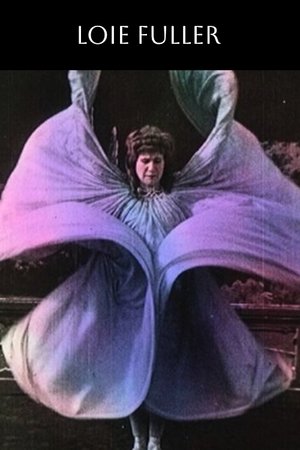
Loïe Fuller
This is another short, simple dance number. It’s quite stunning and unusual though with a bat turning into a woman who proceeds to give us a skirt dance before disappearing into thin air. The dance is mesmerising with the skirt stunningly changing colour throughout the film.
1905
Cheese Mites
A gentleman is here shown partaking of a little lunch of bread and cheese, and occasionally is seen to glance at his morning paper through a reading glass. He suddenly notices that the cheese is a little out of the ordinary, and examines it with his glass. To his horror, he finds it to be alive with mites, and, in disgust, leaves the table. Hundreds of mites resembling crabs are seen scurrying in all directions. A wonderful picture and a subject hitherto unthought of in animated photography. Notable for being the first science film made for the general public.
1903
Babies Rolling Eggs
The Washington Star of April 1st, 1900, gave the following account of the ceremony: "Over 40,000 women and children passed through the White House Gates to-day during the hours set apart for the great National show of Egg Rolling, and when the President stepped on the south front gallery at 4:15 P.M., at least 20,000 were within the grounds. The Marine Band rendered a programme of popular music. The President's children entertained at least fifty young friends during the day with a view of the egg rolling from the balcony, but none of them mingled with the great throng, preferring to view the panorama from the distance. They were much amused with the antics of the great crowd of children, who were of all colors and from every walk of life."
1902
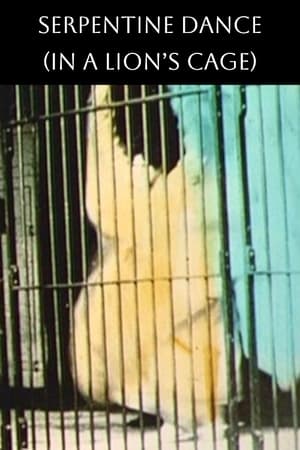
Danse Serpentine (In a Lion's Cage)
Madame Ondine performs a serpentine dance surrounded by big cats.
1900

Oil Gush Fire in Bibiheybat
The film was filmed in Bibi-Heybat, a suburb of Baku (now the capital of Azerbaijan), during a fire at the Bibi-Heybat oil field. The film was shot on 35mm film by the Lumiere brothers in 1898. On August 2 of the same year, a demonstration of Alexander Michon's program took place, which included the film "Fire at an oil fountain in Bibiheybat".
1899
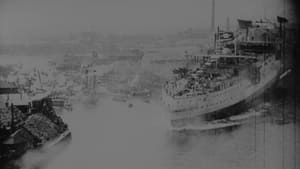
The Launch of HMS Albion at Blackwall
The film documents the launch of HMS Albion at Blackwall on the 21st of June, 1898—an event that was witnessed by 30,000 onlookers, 37 of whom lost their lives when the jetty upon which they were standing became washed away by the resultant swell.
1898
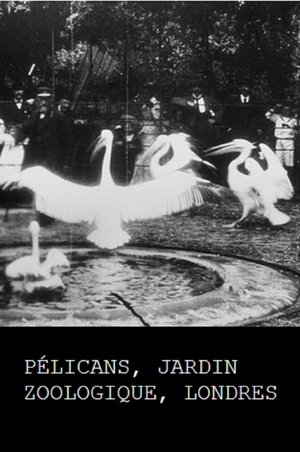
Pelicans, London Zoological Garden
Pelicans move
1896
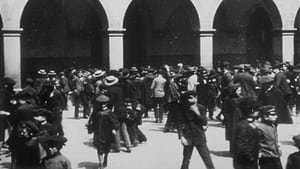
Récréation à la Martinière
Students in Lyon.
1896
The Boxing Kangaroo
The Boxing Kangaroo is an 1896 British short black-and-white silent documentary film, produced and directed by Birt Acres for exhibition on Robert W. Paul’s peep show Kinetoscopes, featuring a young boy boxing with a kangaroo. The film was considered lost until footage from an 1896 Fairground Programme, originally shown in a portable booth at Hull Fair by Midlands photographer George Williams, donated to the National Fairground Archive was identified as being from this film.
1896
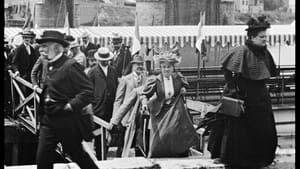
The Photographical Congress Arrives in Lyon
Down the gangway, photographers leave the deck of a riverboat in large numbers.
1895
Quartette
Scene from a Trilby-themed stage play. Lost.
1895