Watch The Architecture of Doom (1989) Online Free
Featuring never-before-seen film footage of Adolf Hitler and the Nazi regime, The Architecture of Doom captures the inner workings of the Third Reich and illuminates the Nazi aesthetic in art, architecture and popular culture. From Nazi party rallies to the final days inside Hitler's bunker, this sensational film shows how Adolf Hitler rose from being a failed artist to creating a world of ponderous kitsch and horrifying terror. Hitler worshipped ancient Rome and Greece, and dreamed of a new Golden Age of classical art and monumental architecture, populated by beautiful, patriotic Aryans. Degenerated artists and inferior races had no place in his lurid fantasy. As this riveting film shows, the Nazis went from banning the art of modernists like Picasso to forced euthanasia of the retarded and sick, and finally to the persecution of homosexuals and the extermination of the Jews.
Cast
Rolf Arsenius, Bruno Ganz, Jeanne Moreau, Sam Gray
More Like This
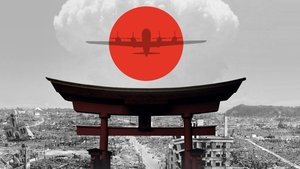
The Horrors Of Hiroshima
On August 6 1945 The Us Dropped An Atomic Bomb On Hiroshima Aiming To Force Japans Surrender In WWII The Explosion Killed Over 70000 Instantly With Tens Of Thousands More Dying From Burns Radiation And Injuries The City Was Leveled Survivors Faced Lifelong Trauma Illness And Stigma As The World Confronted Nuclear Horror For The First Time
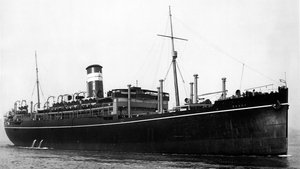
Rohna Classified
2,000 US soldiers board a British transport ship without any idea that the lifeboats are rusted so badly that they could never be launched. They’re issued lifebelts that need to be inflated instead of standard Naval life jackets. The following day the ship is sunk by one of the first radio-guided missiles ever used in war, killing 1157 soldiers and crew in what remains the greatest loss of life at sea due to enemy action in the history of US war. The government deflected responsibility for the large loss of life by declaring the attack classified indefinitely and ordering all survivors to remain silent.
2023
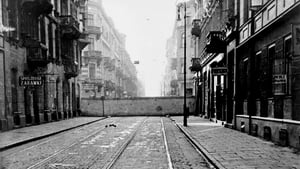
Warsaw: A City Divided
The history of the Warsaw Ghetto (1940-43) as seen from both sides of the wall, its legacy and its memory: new light on a tragic era of division, destruction and mass murder thanks to the testimony of survivors and the discovery of a ten-minute film shot by Polish amateur filmmaker Alfons Ziółkowski in 1941.
2019
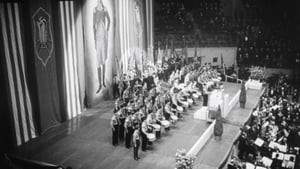
A Night at the Garden
Archival footage of an American Nazi rally that attracted 20,000 people at Madison Square Garden in 1939, shortly before the beginning of World War II.
2017

Blue Gold: American Jeans
Tracing the history of blue jeans around the globe.
2017
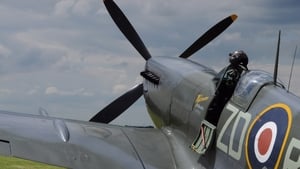
Guy Martin's Spitfire
Guy Martin joins the two-year restoration of a Spitfire that was buried in a French beach for decades, and tells the Boy's Own-style story of its pilot, Squadron Leader Geoffrey Stephenson
2014
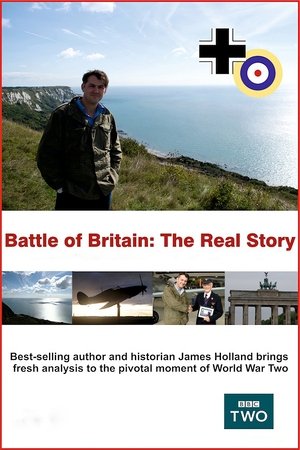
Battle of Britain: The Real Story
James Holland presents a fresh analysis into the Battle of Britain, exploring the lesser-told German point of view, and highlighting the role of those who supported the Few during the summer of 1940. Focusing on the tactics, technologies and intelligence available to both sides, Holland examines the ways in which both Germany and Britain used their resources: from aircraft to air defence, and from intelligence to organisation. And, by gaining rare firsthand testimony from German veterans, and access to the untapped diaries and documents we reveal that this was a battle of two sides and many layers. Part of the Battle of Britain season to mark the 70th anniversary.
2010

The Battle of Britain
Seventy years on, brothers Colin and Ewan McGregor take viewers through the key moments of the Battle of Britain, when 'the few' of the RAF faced the might of the Nazi Luftwaffe. As they fly historic planes, meet the veterans, explore the tactics and technology, Colin and Ewan discover the importance of the Battle and the surviving legacy of the 1940's campaign for the modern RAF.
2010

The Forgotten Soldier
Captured by the Red Army during World War II, Hungarian soldier András Toma was admitted to a Soviet psychiatric hospital. After disappearing from prisoner-of-war records, he was presumed dead in Hungary. Because his name was incorrectly recorded in medical documents and he spoke only Hungarian—mistaken by staff for incoherent speech—Toma spent decades misunderstood and isolated in the institution. Fifty-three years later, a visiting Slovak doctor recognised his language, triggering an investigation by Hungarian authorities. Toma was repatriated in 2000, believed to be the last prisoner of war from World War II to return home.
2010

Uma Cidade Chamada Tiradentes
The documentary offers an overview of the district of Cidade Tiradentes and its inhabitants. It starts by the acquisition of land by the public authorities from the 1970s onwards, to the occupation of what is today one of the largest housing projects in Latin America.
2006
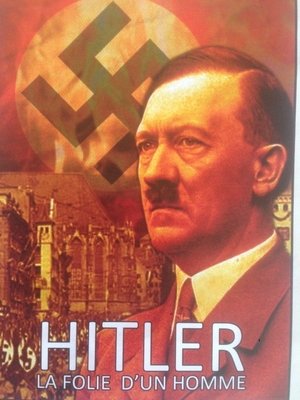
Hitler, la folie d'un homme
2005

Maillart's Bridges
Famed Swiss architect and artist Robert Maillart was renowned for his concrete bridges; this documentary examines the elegant design of his engineering masterpieces, which, the film argues, embrace both functionality and aesthetics. Instead of following a traditional journalistic structure, director Heinz Emigholz's spellbinding film reads more like ethereal visual poetry, allowing the beauty of Maillart's work to speak for itself.
2001
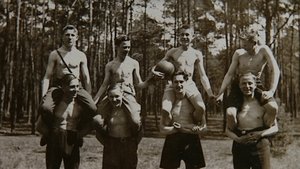
Paragraph 175
During the Nazi regime, there was widespread persecution of homosexual men, which started in 1871 with the Paragraph 175 of the German Penal Code. Thousands were murdered in concentration camps. This powerful and disturbing documentary, narrated by Rupert Everett, presents for the first time the largely untold testimonies of some of those who survived.
2000
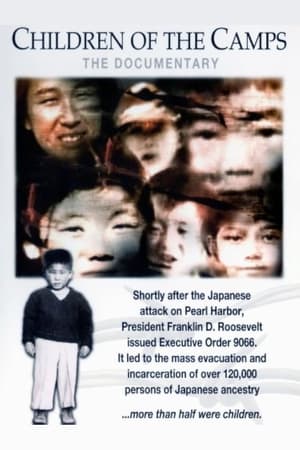
Children of the Camps
Documentary following six Americans of Japanese ancestry who were held in U.S. internment camps during World War II.
1999
Kaplnka svätej Barbory
1995

Out of the Frying Pan Into the Firing Line
Documentary short film demonstrating the process by which waste fats from the kitchens of American homes can be transformed into the raw materials for explosives for the war effort.
1942
Kamenná sláva
1938

Code Name Lucy: Spies Against Nazis
The greatest secret of the Second World War has remained a mystery for the last 80 years: a Jewish Communist, Sandor Rado, led a spy network that proved essential to the victory of Allied Forces. Rado received details of strictly confidential strategies from the highest echelons of the Nazi State through Rudolf Roessler, a dedicated anti-Nazi he'd only known as code name "Lucy." Aided by key German industry leaders, Roessler transmitted timely information from high-ranking collaborators within the German army headquarters. Despite their achievement, Rado, Roessler and their sources remained unacknowledged heroes until today. Thanks to the recent declassification of secret archives, we are now able to step behind the scenes of this incredible story.
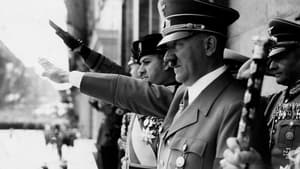
Hitler: A Career
A keen chronicle of the unlikely rise to power of Adolf Hitler (1889-1945) and a dissection of the Third Reich (1933-1945), but also an analysis of mass psychology and how the desperate crowd can be deceived and shepherded to the slaughterhouse.
1977
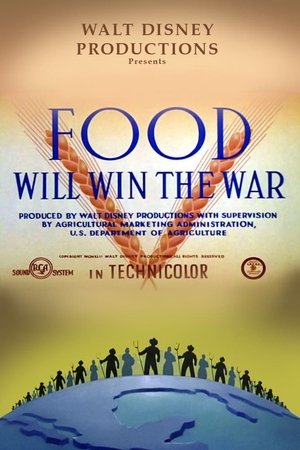
Food Will Win the War
World War II propaganda film on the importance of American farming. A morale booster film stressing the abudance of American agricultural output.
1942