Watch The 1970s Dinner Party (2023) Online Free
A colourful trip back in time, as Debbie McGee hosts a 1970s-style dinner party.
Cast
Alison Steadman
More Like This

Misty - The Erroll Garner Story
The brilliant self-taught pianist Erroll Garner left his mark on jazz forever. His song Misty, which he allegedly composed between two concerts on an aeroplane, immediately became one of the great jazz standards and is still one of the most covered ballads in the world today. Who was the man behind the ever-friendly smile from the ghettos of Pittsburgh, whose talent brought him to the biggest international stages?
2024
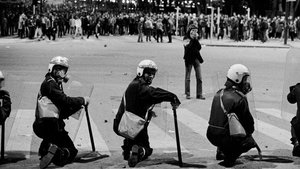
All makt til ingen
A documentary about political activism, rebellion, squatting, and the do-it-yourself attitude among young people on the eve of the 70s. This is the story of how Blitzhuset came to be. We interviewed those active during the uprising; the young people who were at the forefront, the politicians and the police who were supposed to keep the city clean of the excrements. This is an exciting documentary about an era that has been mystified and lived in the shadows for far too long.
2023
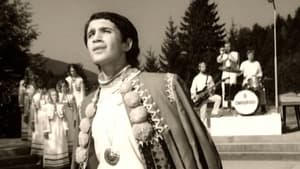
Mustache Funk
The early 70s is a golden epoch of our popular music. Hundreds of songs of exquisite beauty. Groundbreaking sound. Futuristic suits. How and whence could all of this emerge in a Soviet socialist republic? How did a brand new music scene, original in sound and philosophy in every way, and at the same time absolutely in sync with global music trends come forth? They weren't that fond of the Soviet label «VIA». And since neither of us is fond of this acronym, let us rechristen this music.
2021

Coluche, une époque formidable
Documentary on the French comedian, actor, humanitarian and legend Coluche.
2021
Das Zugunglück von Radevormwald – Leben mit der Katastrophe
May 27th, 1971 was a rainy day. In the small town Radevormwald, the world seems to be still in order. But on this day, 46 people die in a train crash, amongst them 41 schoolchildren. Since then, Radevormwald has been connected with one of the worst railway catastrophes of Germany. The touching documentary reconstructs the tragedy and shows how much the event still influences the life in the town until today.
2021
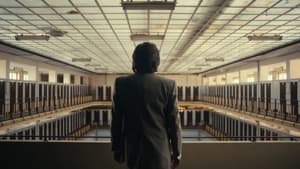
Jean Vanloo: King of Clubs
From Jimi Hendrix to Patrick Hernandez and even Madonna, everybody crossed the path of Jean Vanloo. Who is this mysterious character from Moeskroen in Belgium? From the 60’s to the 80’s, this documentary tells the story of this improbable music producer, creator of the unforgettable hit “Born to be Alive”.
2018
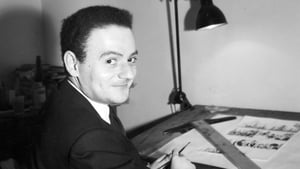
René Goscinny, Our Uncle From Armorica
The career of French comic author René Goscinny was a living blend of cultures and an expression of the great importance this artist attached to the production and dissemination of sophisticated popular culture. Goscinny left behind an extremely extensive body of work: "Asterix", "Lucky Luke", "Isnogud", "Little Nick" and many more.
2017
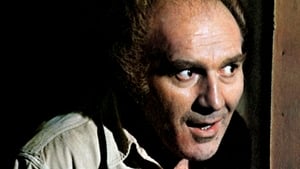
The Incredible Mr. Piccoli
A captivating portrait of French actor Michel Piccoli, who has worked with the greatest filmmakers of his time and has built a dazzling career of remarkable merit and success, focusing on his work during the 1970s and his professional relationship with Claude Sautet, Romy Schneider, Marco Ferreri and Luis Buñuel.
2017
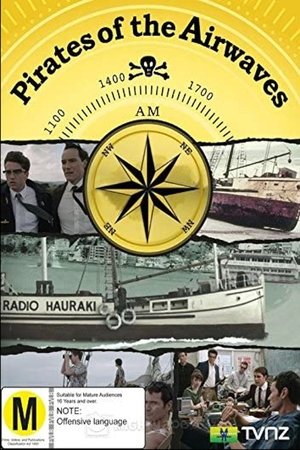
Pirates of the Airwaves
In 1966 a group of determined young men defied the New Zealand government and launched a pirate radio station aboard a ship in the Hauraki Gulf.
2014
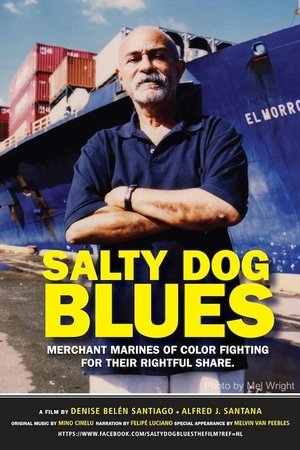
Salty Dog Blues
The film looks at men and women of color in the U.S. Merchant Marine from 1938-1975. Through chronicling the lives of these men and women who, with a median age of 82, are beset with a host of life-threatening illnesses, the movie tells how they navigated issues of racism, disparities in the workplace, gender and familial relations.
2012
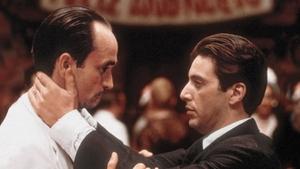
I Knew It Was You: Rediscovering John Cazale
John Cazale was in only five films – The Godfather, The Conversation, The Godfather: Part II, Dog Day Afternoon and The Deer Hunter – each was nominated for Best Picture. Yet today most people don't even know his name. I KNEW IT WAS YOU is a fresh tour through movies that defined a generation.
2009
Twinkl
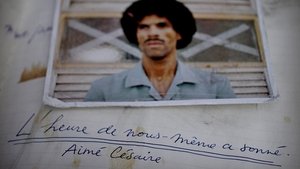
Martinique Island, 1974. Inspired by the writings of the Martiniquais poet and politician Aimé Césaire (1913-2008), the dreamer Robert Saint-Rose, known as Zétwall (Star in Creole), aspires to be the first Frenchman to step on the lunar surface.
2008

Jesus Christ Saviour
Klaus Kinski has perhaps the most ferocious reputation of all screen actors: his volatility was documented to electrifying effect in Werner Herzog’s 1999 portrait My Best Fiend. This documentary provides further fascinating insight into the talent and the tantrums of the great man. Beset by hecklers, Kinski tries to deliver an epic monologue about the life of Christ (with whom he perhaps identifies a little too closely). The performance becomes a stand-off, as Kinski fights for control of the crowd and alters the words to bait his tormentors. Indispensable for Kinski fans, and a riveting introduction for newcomers, this is a unique document, which Variety called ‘a time capsule of societal ideals and personal demons.’
2008
Midnight Movies: From the Margin to the Mainstream
From 1970-1977, six low budget films shown at midnight transformed the way we make and watch films.
2006

Maria Bethânia: Música é Perfume
Brazilian singer Maria Bethania has a 40-year singing career. A documentary shows her concerts and famous family.
2005
Hollywood Rated 'R'
A roller-coaster ride through the history of American exploitation films, ranging from Roger Corman's sci-fi and horror monster movies, 1960s beach movies, H.G. Lewis' gore-fests, William Castle's schlocky theatrical gimmicks, to 1970s blaxploitation, pre-"Deep Throat" sex tease films, Russ Meyer's bosom-heavy masterpieces, etc, etc. Over 25 interviews of the greatest purveyors of weird films of all kind from 1940 to 1975. Illustrated with dozens of films clips, trailers, extra footage, etc. This documentary as a shorter companion piece focusing on exploitation king David F. Friedman.
1997
Pride & Snide
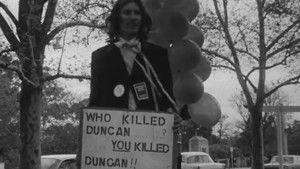
A contrast between two kinds of attitudes to gay liberation in Adelaide.
1976
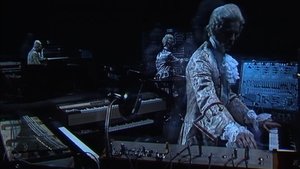
Tangerine Dream - Signals from the Schwäbischen Strasse
German TV film, also shown on Spanish TV in 1976, this is a film all about TD which includes informal interviews and concert/studio footage, most of which seems to have been done exclusively for the film. The interviews are in the German language. The street name in the title refers to where Edgar Froese used to live in Berlin (apparently Klaus Schulze lived on the same street at the time) and is now the site of the TDI offices.
1976
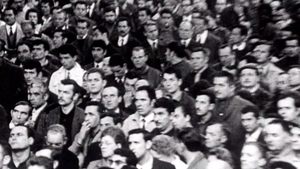
The Society of the Spectacle
Guy Debord's analysis of a consumer society.
1974

Games '74: Official Film of the Xth British Commonwealth Games, Christchurch, New Zealand, 1974
This chronicle of the Christchurch Commonwealth Games marked one of the National Film Unit's most ambitious productions. Though a range of events (including famous runs by John Walker and Dick Tayler), are covered, the film often bypasses the pomp and glory approach; instead it dares to talk to the injured and mention that most competitors lose. The closing ceremonies of the "friendly games" feature the athletes gathering to — as the official song's chorus put it — "join together". Four directors joined together to work on it: Arthur Everard, John King, Paul Maunder and Sam Pillsbury.
1974