Watch Swimming, Dancing (2023) Online Free
Swimming, Dancing examines audiovisual representations of the Yangtze (1934–present), from silent film to video art to the contemporary vlog. Inspired by the city symphonies of the 1920s, Swimming, Dancing pieces together a “river symphony”, evoking the images, sounds and contradictions that make up the river’s turbulent history.
More Like This
The Making of Michel Petite
The film begins as a documentary about an author known for autofiction. By incorporating multiple making-of layers, it blends the process of making the documentary with the author’s narrative technique.
2025
7
A self-portrait in the form of a video essay that explores her identity, her relationship with the places she has lived, and her present.
2025

Popping Difusão - Você Conhece a Dança Popping
2023

A Letter For Raoul Ruiz
Benjamín trips to the south of Chile with his family and shots a visual letter to deceased filmmaker Raúl Ruiz.
2023
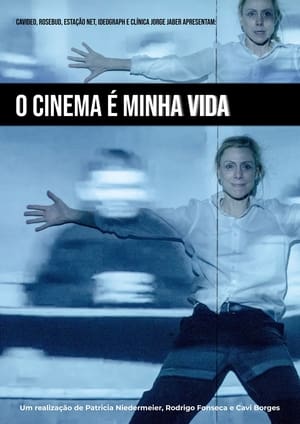
O Cinema é Minha Vida
In the dressing room of the French cinema, minutes before attending a lecture, François Truffaut recalls his trajectory
2021

Parallel Lives
Born June 8, 1964, Frank Matter films four "twins", born the same day as him, but in other latitudes. Interweaving their life stories with rich archival material, the filmmaker links these Parallel Lives with elements from his own biography, to compose a fascinating fresco where intimate trajectories are part of the advent of the global village.
2021
Aquela Mesma Estação
2021
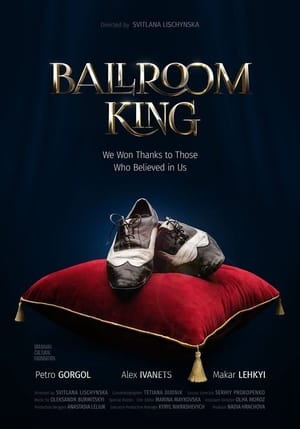
Ballroom King
The film tells the stories of three protagonists, which are intertwined in one story about the Master: a rural school pupil who dreams of ballroom dancing – Makar, world champion in ballroom dancing – Alex Ivanets, and his first teacher – Petro Horhol, who lives in a small Ukrainian town of Poltava.
2021
Morena
2019
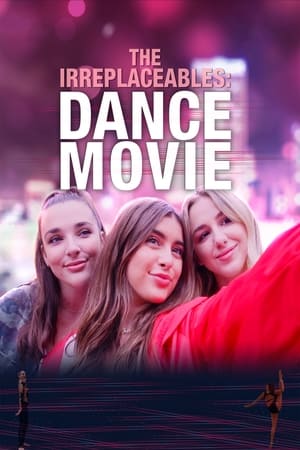
The Irreplaceables: Dance Movie
Join Dance Moms stars, Kendall Vertes, Chloe Lukasiak, and Kalani Hilliker as they perform on The Irreplaceables Tour. Watch along as the girls tour around Peru and perform their world-famous dances for eager fans.
2019
Visions of Europe
Twenty-five films from twenty-five European countries by twenty-five European directors.
2004
Heroes of Horror
A&E Comprehensive biographies of five of the greatest classic stars of the horror genre. Features lots or archive footage from some the greatest horror films committed to celluloid.
2001
Mao Tse Tung: China's Peasant Emperor
1998
Cretan Kalypso - The Naked Truth
Alison Brown and Charlie Simonds plan this film at Britain's oldest naturist club, Spielplatz. It’s then off to the Greek Mediterranean and Crete to discover Kalypso Cretan Village. They meet up with friends, Jocelyne and Regis, to investigate why this resort has become so popular.
1995
Visions Cinema: Film as a Way of Life: Hong Kong Cinema - A Report by Tony Rayns
Examines the early 1980s Hong Kong filmmaking community. Tony Rayns interviews some of the new generation of filmmakers and figures from the wider film culture.
1983
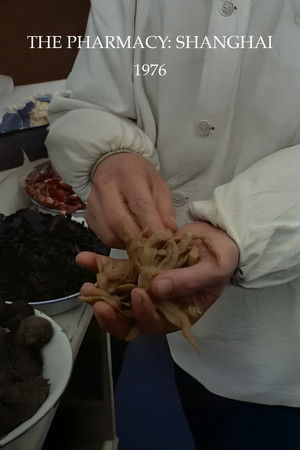
The Pharmacy: Shanghai
Filmed inside Pharmacy No. 3 in Shanghai, Joris Ivens and Marceline Loridan-Ivens document the daily work of a state pharmacy that functions as both a dispensary and a neighborhood medical center. The film focuses on routine interactions between staff and patients, revealing an integrated model of urban healthcare in 1970s China.
1976
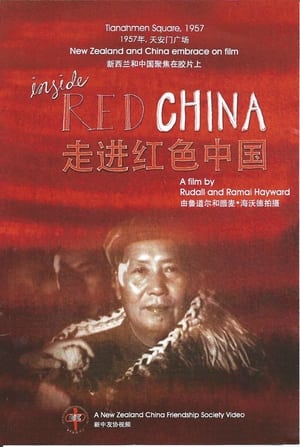
Inside Red China
October 1st, 1957. Dusk descends on Tiananmen Square, Peking. Fireworks crackle light across the night sky, above a city alive with National Day festivities and celebrations. Two intrepid New Zealand film-makers - Rudall and Ramai Te Miha Hayward - are there, documenting the life and times of communist China. The distinction of being the first English speaking foreigners to film unfettered in communist China was significant. The invitation to visit China was facilitated through the New Zealand China Friendship Society. They filmed in Canton, Shanghai, Peking (Beijing) and Wuhan. It was a small window of opportunity for Westerners to gaze on a country that was largely a mystery to the outside world since 1949. The unfortunate irony was that two of the documentaries; “Wonders of China”, and “Inside Red China”, were considered to be communist propaganda, and were not distributed outside of New Zealand.
1958

Mar Urbano Lisboa
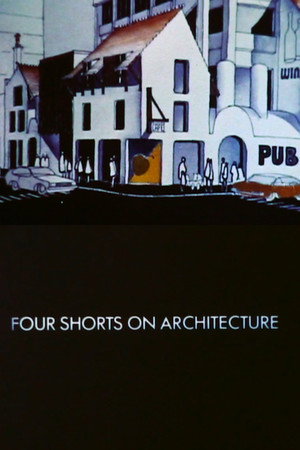
Four Shorts on Architecture
A visual essay on contemporary Kiwi architecture.
1975
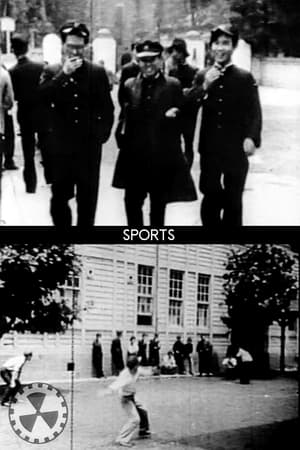
Sports
The film is about a protest provoked when the university decided to restrict access to sports facilities to athletes, cutting out all other students. This is, strictly speaking, not a Prokino film. It was produced by the Waseda University Film Circle, which was organized by Kawazoe Shiro. Feature film directors Yamamoto Satsuo and Taniguchi Senkichi were apparently students at Waseda at the time and participated in the production.
1932