Watch Still Life (2004) Online Free
Still Life gazes unflinchingly at the violence of war, observing the eerie architecture of the West Bank and Gaza Strip collapsed under Israeli occupation. This portrait provides brutal witness to how government sanctioned destruction metes upon structures of home and State. Unlike the mediated images of current warfare, Still Life examines the effects of the destruction of Occupation through the details of cinematic landscapes and its inherent inhabitants. In its relentless questioning reaffirmed with a unique and unremitting soundtrack by composer Zeena Parkins, Still Life forces us to focus on details of devastation.
More Like This
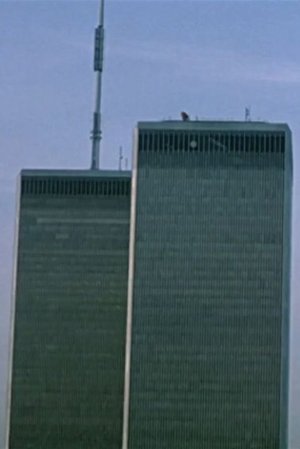
Misty Picture
The television images of the collapse of the World Trade Center were preceded by manifold stagings of the building, either as a highly symbolic icon, a speculative destruction fantasy or merely as a spectacular backdrop. In Misty Picture, city symphony, disaster movie and media trauma therapy become one.
2021
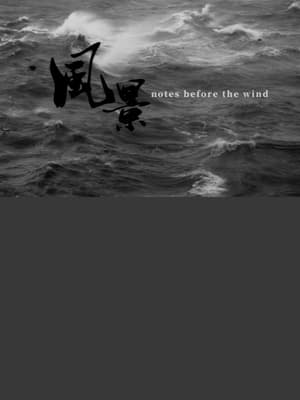
Notes before the Wind
A loose collection of scenes in Hong Kong shot over a five-year period, this film begins with the Umbrella Movement in 2014 and ends right before the summer of 2019, when large-scale social unrest and violent resistance erupted. The everyday scenes capture the ambience and the landscape of change in the city, standing as a quiet prelude to the ensuing conflicts.
2020
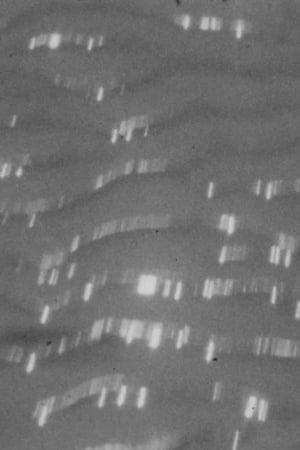
Lands Of The Sea
With carpenters and fishermen on the coast of Valparaíso, Leonel Vasquez built a boat/sound installation following the almost extinct tradition of the craft wooden boats that still sail these waters. Through on-board wooden speakers, fishermen tell the stories of their livelihoods.
2019
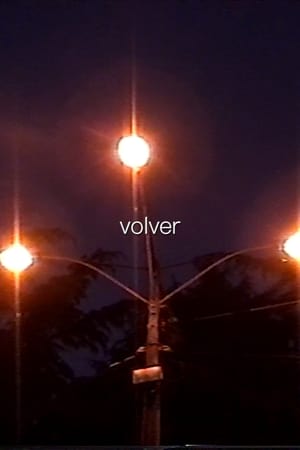
Volver
A somber journey on the road. A post with three lights. A crowded street. Stashed cables. The city. A grey square. The sun's reflection. The sun. Going back home.
2019
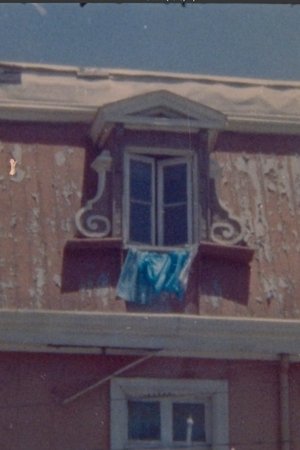
Siesta
During the evening, between 15:00 and 17:00 all of Valparaíso's hills appear almost motionless.
2018
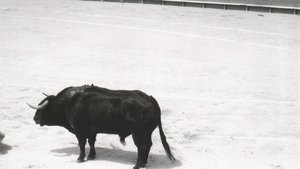
Artémis et la mort
During the Feria of Nîmes, a bullfight is filmed from the perspective of the animal, relegating the matador and public to off-screen spectators. A ritual at the frontiers of mysticism, carried by the sacrificial figure of the bull, revealer of our humanity.
2017
Develar
Film loops with overlapping chromatic density and textures achieved with photochemical development experiments.
2016
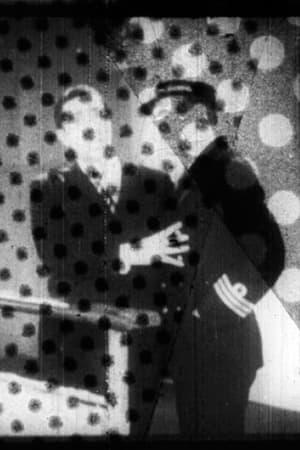
Gardel
Letraset typeset intervention and editing on the projection copy of the film Cuesta Abajo, by Louis J. Gasnier, 1934.
2016
Neón
This is the portrait of Cesar, the heir to a tradition of neon lights that ruled in Buenos Aires' marquees and now resists obsolescence.
2016
Carta a Boris
Writing late becomes usual, we are always too late. Boris was my alter ego and I was his alter ego. Now that he is no longer here, I can be honest.
2015
Kapry
Roaming through the traditional Christmas stands of live carp fish on the street of Prague.
2015
SP
The biggest, most populated, and frantic city in South America. While Cariocas are like tropical birds, Paulistas are like frenetic ants. Distances are longer and they're always in a hurry. A busy journey through this beautiful Brazilian beast which cannot help but beating irregularly.
2015
Stratigraphies
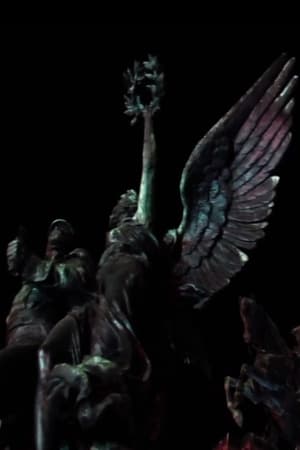
Sytratigraphies is a hyper kinetic masterpiece of a travelogue offering glimpses of scenes shot in your native Columbia, New York, Toronto and beyond. A female fantastic (Alexandra Gelis) knitting on the fly (subways, bankomats, beaches) and making audio recordings provides a throughline of sorts, as queer marriages give way to videogame palm trees, warm gatherings of friends are interwoven with public noticings, workers mostly, street hawkers and construction zones of the self. These lyrical interludes (in this movie the in-between is at the heart of the matter) are punctuated by rescanned YouTube interviews with authors/philosophers/scientists Jorge Luis Borges, Francisco Varela, Julio Cortazar, Beatriz Preciado and Gilles Deleuze. They muse briefly on creativity, exile, the biopolitics of the birth control pill, and the necessity of making mistakes in philosophy.
2015
Intermission (Potrait of Daniel Vicino)
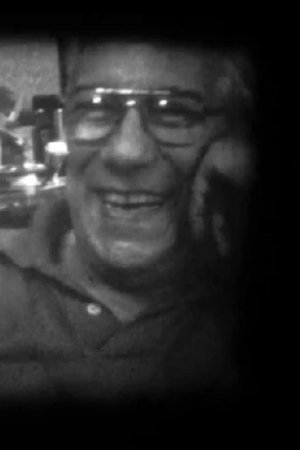
This is the filmic portrait of Daniel Vicinos, one of the most characteristic figures of Argentina's film industry: inventor, technician, collector, ironwork lover, but above all, in love with cinema.
2014
Let Us Persevere in What We Have Resolved Before We Forget
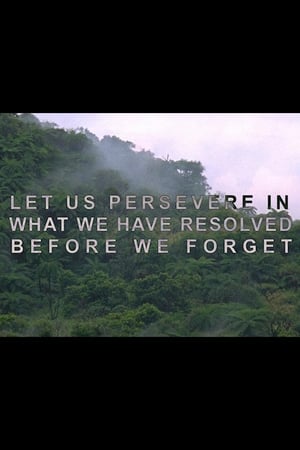
On the island of Tanna, a part of Vanuatu, an archipelago in Melanesia, strange rites are enacted and time passes slowly while the inhabitants await the return of the mysterious John.
2013
Colibrí
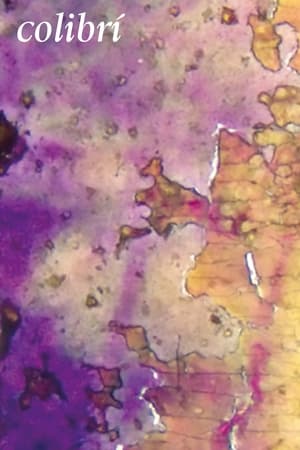
Performance with live audio equalization.
2013
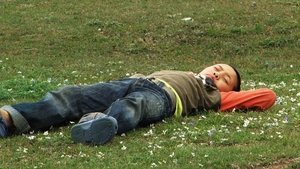
OLO, the Boy from Tibet
A 6-year-old Tibetan boy leaves his family and flees to a refugee camp in northern India.
2012
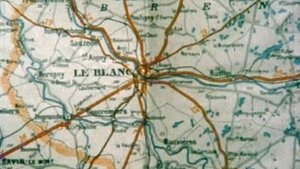
Jeune femme à sa fenêtre lisant une lettre
Jean-Claude Rousseau's Jeune femme à sa fenêtre lisant une lettre is not only his first medium-length film, but a chance to discover this filmmaker whom Jean-Marie Straub has called, along with Frans Van de Staak and Peter Nestler, the greatest working in Europe. With this newly restored print there is also a possibility to discover the relationship between Rousseau's art of filming and Jan Vermeer's famous painting. As Prosper Hillairet wrote in 1988, four years after Rousseau had finished Jeune femme ... (for the first time as we know today): «Without adopting the usual systematic spirit and form of cinéma structurel, Rousseau presents us with simple images and leaves it at that. Keeps the image in hand. A minimalist and ascetic expression of cinema: a shot that lasts.»
1983
Color of Korea
It shows Korea’s traditional colors and culture through the use of superimposing. It is an experimental film, which not only tries to show Korean traditional culture through the use of color, but also tries to show the modern history of Korea.
1976

The Middle Dog's Day
shows visual and metaphorical representation using rope as a motif through various rope images and meanings.
1974