Watch Silent Bombs: All for the Motherland (2010) Online Free
In the remote region of Semipalatinsk in North-Eastern Kazakhstan live the victims of hundreds of Soviet nuclear tests carried out from 1949 through 1989.
More Like This
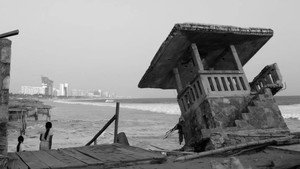
Revolcadero
Revolcadero Beach in Acapulco, Guerrero, is one of the areas most affected by Hurricane Otis. Residents struggle daily with the effects of climate change to maintain their main source of income: providing tourist services.
2025
Carrizos
On October 25, 2023, Hurricane Otis, a Category 5 storm, struck the coast of Acapulco, Guerrero, destroying everything in its path. Carrizos is a reconstruction of the events, featuring testimonies from various people who lived through the tragedy.
2025
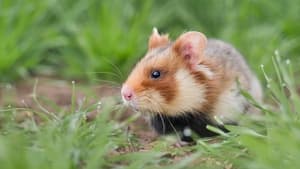
The Last Common Hamsters
For almost three years, nature filmmaker and ecologist David Cebulla has been observing wild Common hamsters. He not only tries to learn more about the species, but also documents why hamsters are globally threatened with extinction. David travels from the western border of the distribution area in France via Germany, Poland, Austria and Hungary to the eastern border of the distribution area in the Kazakh steppe. In the process, he manages to capture some unique and fantastic images. But during the project, it becomes increasingly difficult to find animals living in the wild.
2025
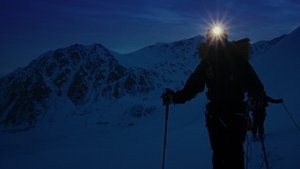
Tien Shan Dream
A team of international skiers embark on a two-week glacier traverse connecting two remote research stations in Kazakhstan. The Tien Shan's 4000+ meter peaks host an active scientific community, leveraging the rare environmental conditions for groundbreaking research. Established during the Soviet Union's occupation, the high-altitude research stations here are home to some of the longest-standing glacier and cosmic radiation experiments in the world - and are surrounded by deadly alpine terrain.
2024

The Conqueror: Hollywood Fallout
The story of one of the great environmental disasters to befall the United States, and the terrible movie that helped bring the catastrophe to light.
2024
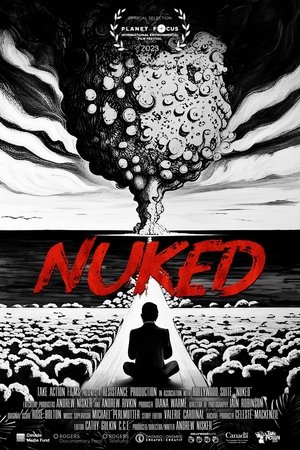
NUKED
The US detonated 67 nuclear weapons over the Bikini Atoll in the Marshall Islands during the Cold War, the consequences of which still reverberate down four generations to today. "NUKED," is a timely new feature documentary focussing on the human victims of the nuclear arms race, tracing the displaced Bikinian's ongoing struggle for justice and survival even as climate change poses a new existential threat. Using carefully restored archival footage to resurrect contemporaneous islanders’ voices and juxtaposing these with the full, awesome fury of the nuclear detonations, NUKED starkly contrasts the official record with the lived experience of the Bikinians themselves, serving as an important counterpoint to this summer’s Oppenheimer.
2023
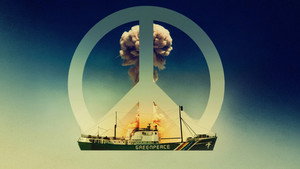
Rainbow Warrior
The Rainbow Warrior was a Greenpeace ship that was bombed by operatives of the French government, in New Zealand in 1985, while heading to a protest against nuclear testing, tragically taking the life of photographer Fernando Pereira. Edward McGurn’s enlightening and exciting documentary uncovers a tangled tale of nuclear weapons, geopolitical coverups, and attempts to take action against impending environmental collapse. Was Pereira’s death an accident or part of a larger political plot?
2022
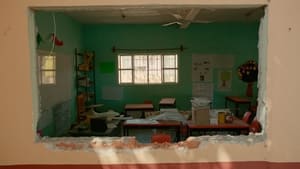
Aftermath
Documentary about the aftermath of the earthquake that shook Juchitán, on the Mexican Pacific coast. It tells the story of Dxani -muxe seamstress- and Jacinto -mason- and how their lives were radically changed by the strongest earthquake that hit this community; and the poor response of the corrupt authorities.
2021
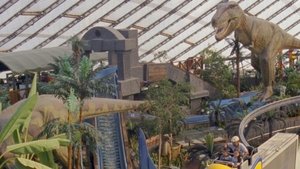
On a Clear Day You Can See the Revolution From Here
From the lush and green grass of the Kazakh Steppe to the glorifying architecture of its capital, from its giant open-air mines to the traces of invisible nuclear power, Kazakhstan is here captured in fragments. A fake observational film, but a genuine geographical and historical journey, through the remnants of the Soviet past and the contemporary capitalist ambitions of the country.
2020
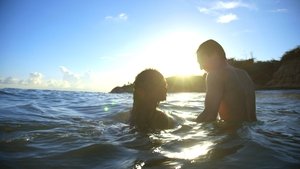
Landfall
Hurricane María abated, the news crews packed up and left Puerto Rico, and the interest of the international community turned elsewhere. What happened next?
2020
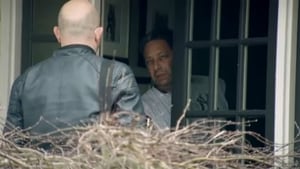
Zembla - The Dubious Friends of Donald Trump Part 1: The Russians
For months, the FBI have been investigating Russian interference in the American presidential elections. ZEMBLA is investigating another explosive dossier concerning Trump’s involvement with the Russians: Trump’s business and personal ties to oligarchs from the former Soviet Union. Powerful billionaires suspected of money laundering and fraud, and of having contacts in Moscow and with the mafia. What do these relationships say about Trump and why does he deny them? How compromising are these dubious business relationships for the 45th president of the United States? And are there connections with the Netherlands? ZEMBLA meets with one of Trump’s controversial cronies and speaks with a former CIA agent, fraud investigators, attorneys, and an American senator among others.
2017
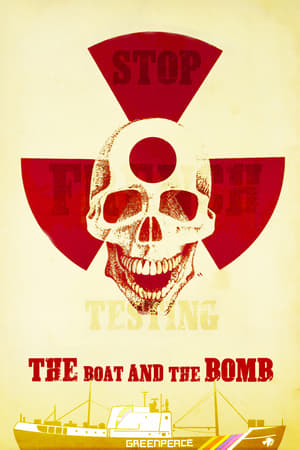
The Boat and the Bomb
In Aukland Harbour, New Zealand, on July 10th 1985, French navy combat frogmen placed two mines against the hull of the Greenpeace flagship Rainbow Warrior, sinking the ship and killing photographer Fernando Pereira.
2006
Das Dorf der Freundschaft
A German Documentary about the “village of friendship” that was created by American Veteran George Mizo to help the Vietnamese kids suffering from the Vietnam War.
2001
Paradise
Sergey Dvortsevoy makes his international debut with this astonishingly intimate portrait of a nomadic family on the Kazakh plains. Several scenes in this slow, elegant film betray a certain dry humor -- a child devouring the last of a bowl of yogurt and then crying; a cow getting its head stuck in a pail; and a woman singing to herself, accompanied by her snoring husband. Other scenes capture the nomads' hardscrabble lives -- drunken herdsmen in the grips of existential despair, growling dogs, and a camel enduring a rather grim septum piercing. By the end of the film, the family pulls up stakes and herds its sundry four-legged beasts -- camels, cattle, goats, dogs, and horses -- to a more fertile plain. This film was screened at the 1999 Yamagata International Documentary Film Festival.
1995
The Making of “The Fall of Otrar”
featuring interviews with director Ardak Amirkulov, actor Tungyshbai Dzhamankulov, production designer Umirzak Shmanov, and film journalist Gulnara Abikeyeva
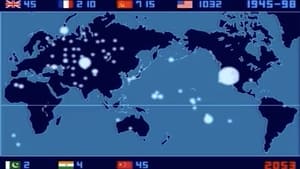
1945-1998
"2053" - This is the number of nuclear explosions conducted in various parts of the globe. "This piece of work is a bird's eye view of the history by scaling down a month length of time into one second. No letter is used for equal messaging to all viewers without language barrier. The blinking light, sound and the numbers on the world map show when, where and how many experiments each country have conducted. I created this work for the means of an interface to the people who are yet to know of the extremely grave, but present problem of the world."
2003
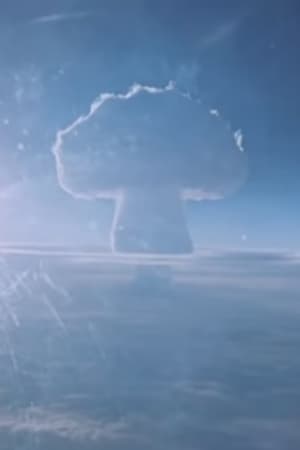
Test of a clean hydrogen bomb with a yield of 50 megatons
Documentary movie about testing of the largest nuclear weapon in history, the Tsar Bomba. Declassified and made available to the public in 2020.
1961
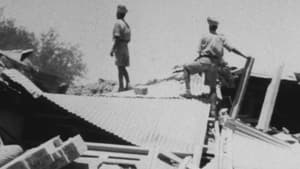
The Quetta Earthquake
Amateur footage of the devastation caused by one of South Asia's worst earthquakes.
1935
Let me circle around you
A poetic journey into an untranslatable Kazakh word, whose meaning deepens with every passing moment, crossing oceans of time and distance to reveal the profound, unspoken bonds that tie us to our past.
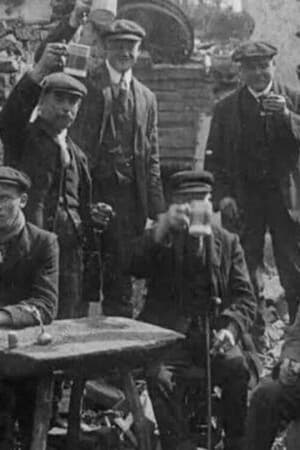
Little Chesterford - Village Fire
There's an enchanting folkloric quality to this eclair newsreel showing a remote Essex village ravaged by fire.
1914