Watch San Gottardo (1977) Online Free
In this docudrama, the real star is a railroad tunnel. First built, at the instigation of a banker and an engineer, in 1872 under appalling conditions, it was widened to accommodate automobiles in 1972. The tunnel links the Rhineland in Germany with Italy and goes through the Swiss mountains. The many lives lost in the building of the first tunnel were considered to be one of the costs for economic progress. In one re-enactment, a strike for better conditions is severely dealt with by the military. Even in 1972, though working conditions were better, most of the men working on the tunnel were poor immigrant workers, with almost no power to negotiate better treatment.
Cast
Hans-Dieter Zeindler, Maurice Aufair, Ingold Wildenauer, Klaus-Henner Russius
More Like This
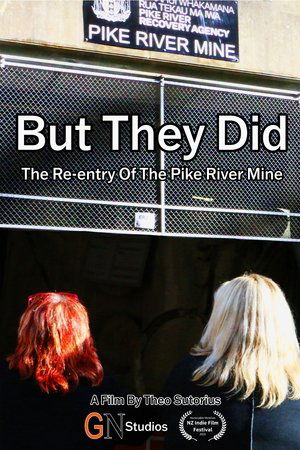
But They Did: The Re-entry Of The Pike River Mine
Anna Osborn and Sonia Rockhouse were forever changed when the Pike River Mine Disaster stole their loved ones, but instead of sitting down, they stood up! But They Did tells Anna and Sonia's story, following them through the period of time before and during the re-entry of the mine.
2025

Asbestos
A cinematic and introspective look at the residents of a Quebec town—once the site of the world's largest asbestos mine—as they grapple with their community's industrial past. Striving to honour their heritage while reconciling with their history and forging a new path forward, the miners delve into the intricacies of progress and healing.
2024
Mines antipersonnel : La guerre des lâches
2024
Eiffel, les derniers secrets
2023
Voyages au centre de la Terre : Dans les pas de Jules Verne
2023
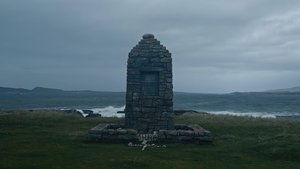
Ballymanus
10 May 1943. Something is spotted drifting ashore off the coast of Northwest Donegal, Ireland. Something that would change the lives of the local people forever.
2023

A86 : Le Défi d'un tunnel à double étage
The Duplex A86 is a 10 kilometer underground highway buried more than 90 meters deep. This concrete tube, measuring the equivalent of more than 30 lying Eiffel towers, is the longest tunnel in France. The result of a succession of technical prowess born from the imagination of visionary engineers, the Duplex A86 allows you to cross all of western Paris in a few minutes.
2023
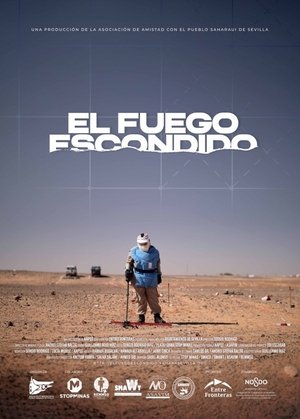
The hidden fire
Silence always surrounds the mine, first when it explodes and then when it eternally haunts its victims. The history of the silence of this fire hidden by Morocco in the sand of Western Sahara has left more than 4,000 victims in what is considered the largest minefield in the world. Daha and Fatimetu suffered the effect of the silence of the mines, their lives changed forever, like that of the Saharawi people who, after 14 years cleaning the desert of artifacts, the rupture of the ceasefire have left the future of the contamination of their territory.
2023
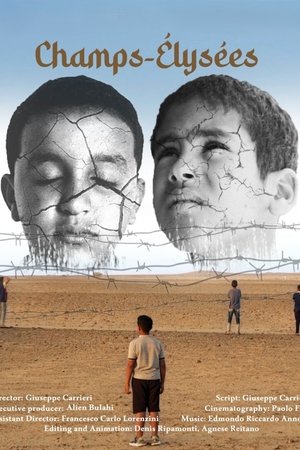
Champs-Elysées
A boy has a dream of traveling to the world, especially to Paris where his uncle lives, but a wall built on his land divides his country and does not allow him to travel or cross to the other side of his land.
2023
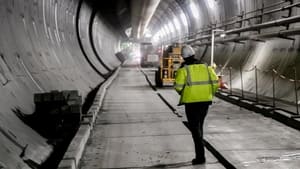
Lyon-Turin : Le Dernier Tunnel XXL
2020
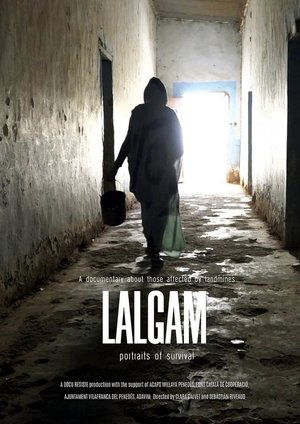
LALGAM - portraits of survival
Documentary that denounces the damages caused by the use of land mines in Western Sahara and shows the lives of those affected.
2020
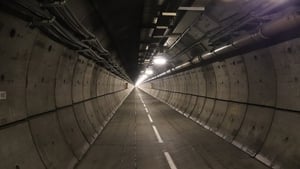
Building the Channel Tunnel
The Channel Tunnel linking Britain with France is one of the seven wonders of the modern world but what did it take to build the longest undersea tunnel ever constructed? We hear from the men and women, who built this engineering marvel. Massive tunnel boring machines gnawed their way through rock and chalk, digging not one tunnel but three; two rail tunnels and a service tunnel. This was a project that would be privately financed; not a penny of public money would be spent on the tunnel. Business would have to put up all the money and take all the risks. This was also a project that was blighted by flood, fire, tragic loss of life and financial bust ups. Today, it stands as an engineering triumph and a testament to what can be achieved when two nations, Britain and France put aside their historic differences and work together.
2019
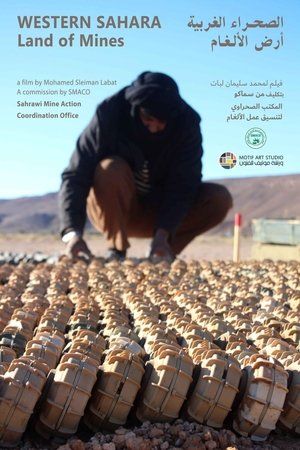
Land of mines
Western Sahara is a conflict region located in North West Africa. After a bloody war in the region, the land is littered with landmines and war ruminants and explosives. There are about 7 to 10 million landmines still buried there, especially in the area close to the wall built by Morocco and which separates Western Sahara into two. Landmines in the area have a huge impact on life in general; human casualties, cattle and irreversible environmental catastrophes.
2019
The Deminer
In the chaotic aftermath of the fall of Saddam Hussein, Fakhir, a father of eight, is serving in the Iraqi army. All around him, he sees innocent civilians getting injured by landmines, so he determines to disarm them with his own hands, using just a pocketknife and some wire cutters. He clears thousands of roadside bombs, mines and car bombs, knowing that every time he cuts a wire it could cost him his life—which he seems to find less important than the lives of others. In 2014, by this time having lost a leg, he starts working for the Kurdish Peshmerga, disarming boobytraps left behind by Daesh in and around Mosul. An enthusiastic home video maker, Fakhir collects hundreds of hours of footage of his day-to-day work.
2018
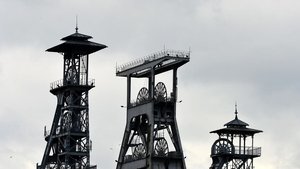
L'Épopée des gueules noires
2017
Western Sahara determined
Western Sahara is one of the most heavily mined territories in the world following decades of conflict with its neighbours. Despite a 1991 ceasefire, most Sahrawis still linger in refugee camps in Algeria because it is too dangerous to live there. Now, some brave young women have taken it upon themselves to clear their ancestral lands of landmines so their people can return.
2017
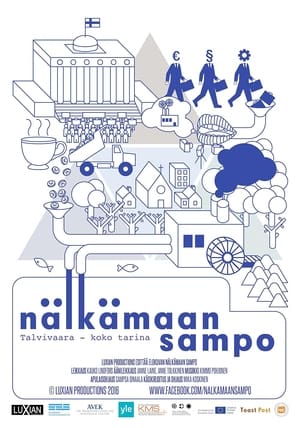
The Land of Mine
Republic of Finland is promoting clean technology by organizing Green Mining seminars where foreign experts tell us how the development of the world is becoming increasingly expensive by 2050. The Earth is running out of resources and mining companies have to use increasingly low-grade metal deposits. Finland aims to be a model country for environmentally friendly mining. Its pioneer project is Talvivaara, which uses new biotechnology to extract nickel, zinc and uranium. Through several charismatic characters, the documentary film The Land Of Mine follows the rise of the biggest nickel mine in Western Europe and the ensuing disasters whose effects continue to reverberate in the nation.
2016
Rebellious City
Rebellious City is a documentary about the Provo movement and the city of Amsterdam in the sixties.
2015
Carnets du sous-sol
2013
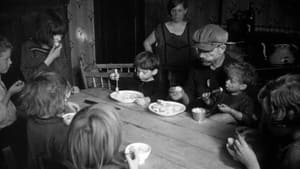
Houses of Poverty
Henri Storck’s militant short on Depression-era Belgium, set in Walloon slums on the outskirts of a prosperous city. Staged vignettes expose substandard housing, overcrowding, and numbed survival through claustrophobic, frame-filling images; a coda on slum clearance and “garden city” rehousing offers guarded hope.
1936