Watch Rent Boys (2011) Online Free
Documentary about the current hustler scene in Berlin. Based on interviews with former and active prostitutes, the realities of male prostitutes in Berlin are treated. The film is objective, and records the hustler scene as a social Submilieu, which is characterized by both tragic fates, as well as everyday things and routines. Not only the direct sale of sexual services is discussed, but also other aspects associated with male prostitution: poverty, drug addiction, AIDS, crime, migration, love and partnership.
Cast
Sergiu Grimalschi, Peter Kern, Master Patrick, Claudia Thomas, Lutz Volkwein, Oliver Sechting, Rosa von Praunheim, Wolfgang Werner
More Like This
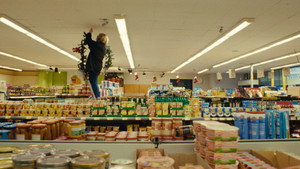
Nothing Remains Nothing Disappears
A Berlin street corner is slowly changing: an aging supermarket turns into a construction site and finally a new building. People restock shelves, demolish walls, take breaks and count money. Those who work here participate in the making and unmaking of the place. How does it shape the conditions of their labor? Between supermarket aisles, construction scaffolding and exposed concrete, different versions begin to overlap. Repetitions appear like echoes between worlds, both playful and eerie.
2026
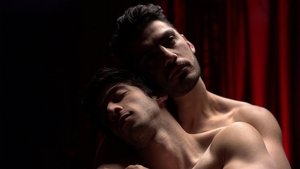
Serviced
Serviced explores touch based service businesses including cuddling, erotic massage, sex surrogacy and sex work. Meet the men who have foregone the 9-5 grind or are adding on a side-hustle service-based job. From cuddling to sex work we're looking at the world's oldest profession with eyes wide open.
2019
War Baby
Meet Duewand Collier Jr.-Male, 68 years old, American Citizen, a child conceived in the backdrop of the Philippines-American Mutual Defense Treaty, born and raised with Catholic guilt. He has made peace with his past and now tells his story-a story of love.
2019
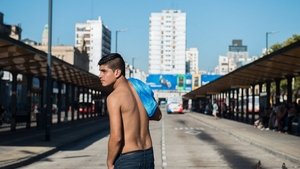
Miserere
It is a sweltering day in Buenos Aires, Miserere square and the railway station are packed. Almost unnoticed, a group of guys prostitute themselves for little money. Their thoughts emerge, deadening the oppressive hustle and bustle of the square and the station. Miserere reveals an invisible problem: the prostitution of needy men in the big Latin American cities.
2019

Pady | Jeff - The Documentary
Documentary about the musical artist and drag queen Pady Jeff produced by students of the Social Communication degree at the Catholic University of Uruguay.
2018

Stretch
Sebastién is a gay acrobat living for the thrill of the circus. Now the oldest acrobat in the troupe, he fears each show could be his last, as an uncertain future awaits. This beautifully languid documentary catches the final leap of a long, idyllic youth.
2018

Secret Santa Sex Party
A group of older gay men get together every month for companionship, camaraderie, and sex.
2017
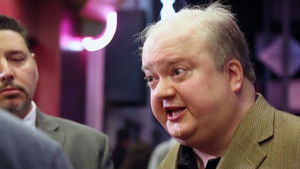
The Tickle King
Featuring new, previously unseen footage documenting the bizarre and unsettling things that happened to filmmakers David Farrier and Dylan Reeve as Tickled premiered at film festivals and theaters in 2016. Lawsuits, private investigators, disrupted screenings and surprise appearances are just part of what they encounter along the way. Amidst new threats, the duo begins to answer questions that remained once the credits rolled on Tickled, including whether the disturbing behavior they uncovered will ever come to an end.
2017
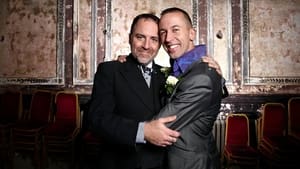
Our Gay Wedding: The Musical
On 29 March 2014 same-sex marriage became legal in England and Wales. Take a front row seat at one of the first gay weddings which will be an extraordinary ceremony in more ways than one - it's a musical.Grooms Benjamin Till and Nathan Taylor have written and staged their entire wedding as a musical – with sung vows, sung readings, a singing registrar and show-stopping ensembles featuring the whole congregation of family, friends and special guests. Even the grooms’ mums sing a heartfelt duet.
2014
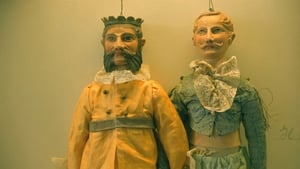
I Don't Know Why I Hate You
Homosexuality has been condemned for centuries. But why? What do some people find offensive about the homosexual behavior? Meet a man who was convicted for the murder of an homosexual, along with the president of 'Jurists for life', the spokesperson of 'la Manif pour Tous' as well as the national representative of 'Standing Sentinels' and the spokesperson of 'Forza Nuova'.
2014

Peter Eisenman: Building Germany's Holocaust Memorial
This documentary explores the creation of the Holocaust Memorial in Berlin as designed by architect Peter Eisenman. Reaction of the German public to the completed memorial is also shown.
2009
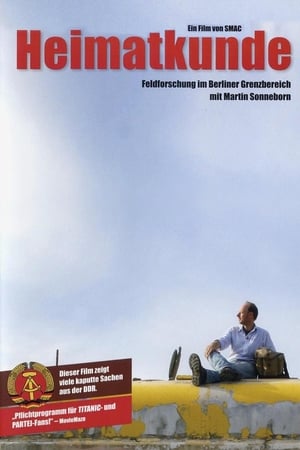
Heimatkunde
Former "Titanic" satire magazine editor Martin Sonneborn takes an undercover trip around Berlin and discovers the East-German mentality and what is left of the socialist German Democratic Republic.
2008

Prinzessinnenbad
A film about three teenagers - Klara, Mina and Tanutscha - from the Berlin district of Kreuzberg. The trio have known each other since Kindergarten and have plenty in common. The three 15-year-olds are the best of friends; they are spending the summer at Prinzenbad, a large open-air swimming pool at the heart of the district where they live. They're feeling pretty grown up, and are convinced they've now left their childhood behind.
2007
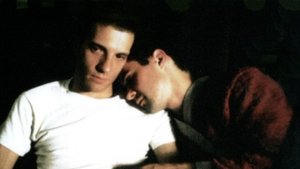
Omelette
A young man tired of writing and rewriting a screenplay decides to begin a Super 8mm film diary. He films his parents and those close to him and determines to tell the about his homosexuality.
1998
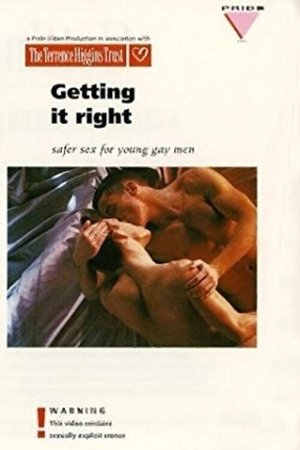
Getting It Right: Safer Sex for Young Gay Men
This documentary made in 1993 when massive HIV/AIDS pandemic issue at the time. This video was made to teach gay men how to have a safer sex, like using condom and safer sexual activities.
1993
Two Marches
Scenes shot at two national gay marches on Washington, DC are juxtaposed to reveal some of the devastating changes in the gay movement from 1979 to 1987, as hope is replaced by frustration and mourning. In Hubbard's roving footage we follow the shifts in spirit, age and racial composition of the demonstrators and witness the growing organization of the protest spectacle, as ragtag bunches of rebellious marchers give way to marching bands and the unfurling of the Names Project AIDS Quilt.
1991
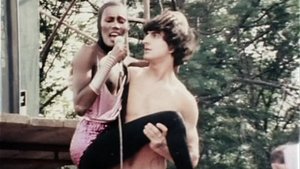
Army of Lovers or Revolt of the Perverts
Personal diary-style documentary of German Gay rights activist Von Praunheim's sojourn in the US.
1979
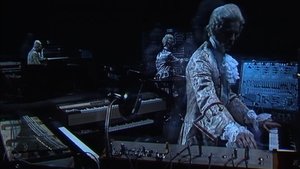
Tangerine Dream - Signals from the Schwäbischen Strasse
German TV film, also shown on Spanish TV in 1976, this is a film all about TD which includes informal interviews and concert/studio footage, most of which seems to have been done exclusively for the film. The interviews are in the German language. The street name in the title refers to where Edgar Froese used to live in Berlin (apparently Klaus Schulze lived on the same street at the time) and is now the site of the TDI offices.
1976
Das Märkische Viertel - Aussichten und Einblicke
Documentary about a district of Berlin
1973
Gay San Francisco
Shot between 1965-1970, Gay San Francisco features a collection of incredible footage of San Francisco’s thriving LGBTQ culture, with a focus on the Tenderloin, San Francisco’s first queer neighborhood.
1970