Watch Reindeer Family & Me (2017) Online Free
Wildlife cameraman Gordon Buchanan travels to the frozen north, deep inside the Arctic Circle, to meet the ancient Sami people and the animals they hold so close - reindeer.
Cast
Gordon Buchanan
More Like This
Fie
An older woman cooks for a fisherman by the sea.
2024

WWF : à quoi joue le panda ?
2021
Hidden Japan
The culture of Japan is incredible, from bloom festivals to ultra-modern cities. But there are also more than 130 mammals and 600 bird species dwelling in Japan’s 6852 islands. This island chain is long enough to span climate zones, providing a huge range of habitat.
2020
-22.7°C The Far North Musical Experience
The music producer Molécule stayed in a village in Greeland, where he recorded the sounds of the Artic to compose music. The viewer follows Molécule in his adventure in the extreme North, in a sensorial and musical immersion.
2019
Planète animale 2 : Survivre
2017
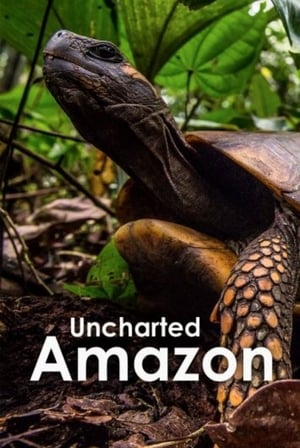
Uncharted Amazon
Deep in the jungles of Peru, a silky anteater is fighting to stay awake and a mother humming bird is struggling to raise her chick. Through millions of years of evolution they have developed bizarre relationships and unexpected strategies to overcome them changing conditions, but for all their ingenuity, they were never prepared for the arrival of a new species on the scene.
2016

Life on the Mother River
The River Emajõgi forms a powerful water world hiding an ancient life. Little Aleksander together with his filmmaker father Remek Meel discovers Alam-Pedja nature reserve and the secrets of its enchanting world. Father and son get acquainted with the hidden life of eagles, beavers, otters, waxwings, great snipes, ravens, penduline tits and Ural owls.
2015
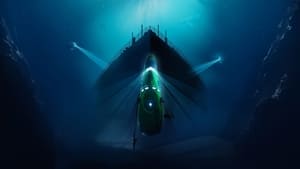
Deepsea Challenge 3D
Described as being a film about determination, danger and the ocean’s greatest depths, James Cameron's "Deepsea Challenge 3D" tells the story of Cameron’s journey to fulfill his boyhood dream of becoming an explorer. The movie offers a unique insight into Cameron's world as he makes that dream reality – and makes history – by becoming the first person to travel solo to the deepest point on the planet.
2014
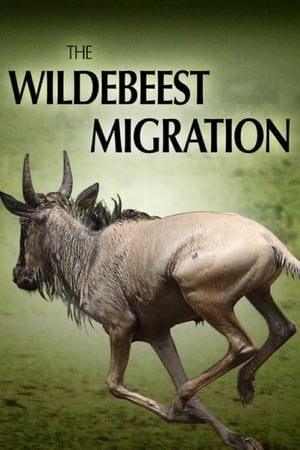
The Wildebeest Migration: Nature's Greatest Journey
Every year, on the steppes of the Serengeti, the most spectacular migration of animals on our planet: Around two million wildebeest, Burchell's zebra and Thomson's gazelles begin their tour of nearly 2,000 miles across the almost treeless savannah. For the first time, a documentary captures stunning footage in the midst of this demanding journey. The documentary starts at the beginning of the year, when more than two million animals gather in the shadow of the volcanoes on the southern edge of the Serengeti in order to birth their offspring. In just two weeks, the animal herd's population has increased by one third, and after only two days, the calves can already run as fast as the adults The young wildebeest in this phase of their life are the most vulnerable to attacks by lions, cheetahs, leopards or hyenas. The film then follows the survivors of these attacks through the next three months on their incredible journey, a trip so long that 200,000 wildebeest will not reach the end.
2012
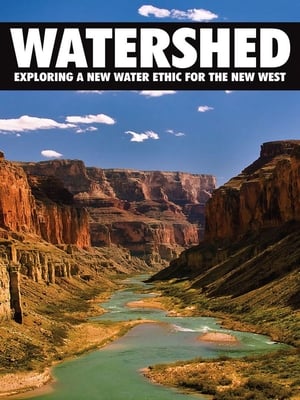
Watershed: Exploring a New Water Ethic for the New West
As the most dammed, dibbed, and diverted river in the world struggles to support thirty million people and the peace-keeping agreement known as the Colorado River Pact reaches its limits, WATERSHED introduces hope. Can we meet the needs of a growing population in the face of rising temperatures and lower rainfall in an already arid land? Can we find harmony amongst the competing interests of cities, agriculture, industry, recreation, wildlife, and indigenous communities with rights to the water? Sweeping through seven U.S. and two Mexican states, the Colorado River is a lifeline to expanding populations and booming urban centers that demand water for drinking, sanitation and energy generation. And with 70% of the rivers’ water supporting agriculture, the river already runs dry before it reaches its natural end at the Gulf of California. Unless action is taken, the river will continue its retreat – a potentially catastrophic scenario for the millions who depend on it.
2012
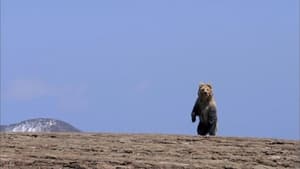
The Himalayas
The highest mountain range in the world, the Himalayan range is far reaching, spanning thousands of miles, and holds within it an exceptionally diverse ecology. Coniferous and subtropical forests, wetlands, and montane grasslands are as much a part of this world as the inhospitable, frozen mountaintops that tower above. The word Himalaya is Sanskrit for abode of snow, fitting for a stretch of land that houses the world’s largest non polar ice masses. Extensive glacial networks feed Asia's major rivers including the Ganges, Indus, and Brahmaputra. More than a billion people rely on these glacier-fed water sources for drinking water and agriculture. The Himalayas are not only a remarkable expanse of natural beauty. They're also crucial for our survival.
2011
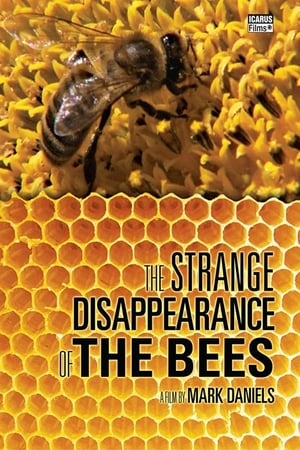
The Strange Disappearance of the Bees
Investigation into a global ecological disaster that could endanger the entire human race. Today, a third of our food depends directly on bees, the most important agricultural pollinator* on our planet. Yet, for several years now, millions of bees have been mysteriously disappearing. Why? Will we be able to cope with this predicted catastrophe?
2010
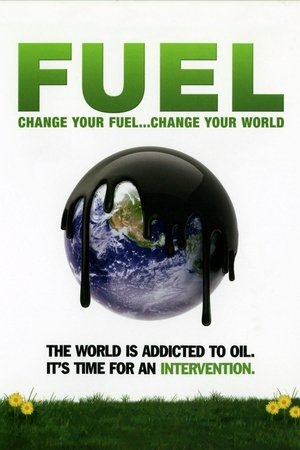
Fuel
Record high oil prices, global warming, and an insatiable demand for energy: these issues define our generation. The film exposes shocking connections between the auto industry, the oil industry, and the government, while exploring alternative energies such as solar, wind, electricity, and non-food-based biofuels.
2008
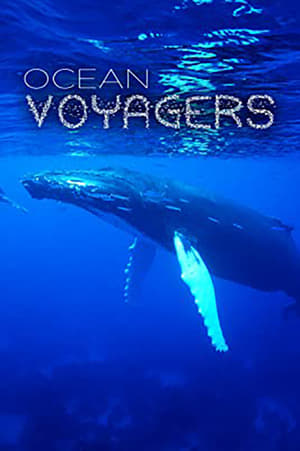
Ocean Voyagers
Ocean Voyagers explores the familiar themes of motherhood and parenting in a world as unfamiliar as it is breathtaking. Featuring a precocious newborn humpback calf and his enormous 40 ton mother, we are taken on a journey of discovery into their world.
2007
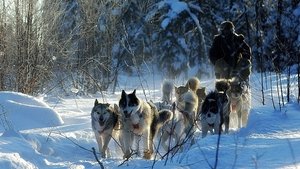
The Last Trapper
Norman is not just an admirer of nature, he's a part of it. He survives the harshness of the climate and the wildlife by coexisting with it. With his wife Nebraska, they live almost entirely off the land, making money by selling their furs.
2004
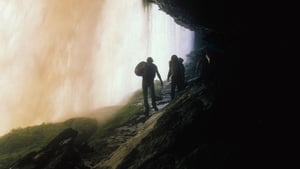
Lost Worlds: Life in the Balance
Lost Worlds looks at untouched aspects of nature in parts of the world where humans rarely tread. From plants, to animals, to geology, this artfully photographed documentary presents facets of the biological world that you are not likely to see anywhere else.
2001
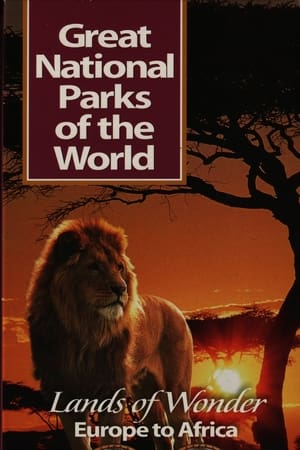
Great National Parks of the World: Lands of Wonder Europe to Africa
Take a thrilling journey to four of the greatest national treasures of Europe and Africa. Walk along the misty shores of Ireland's rocky northern coast to experience the legendary Giant's Causeway. Search for elusive mountain gorillas in Uganda's lush Impenetrable Forest. Climb the stunning snow-capped peaks of Italy's timeless Alps to discover the regal ibex in Gran Paradiso National Park. Behold the spectacle of thundering herds of migrating wildebeest, zebra and gazelle on Africa's fabled Serengeti Plains.
2000
Alaska: Spirit of the Wild
Alaska... Here, in this vast and spectacularly beautiful land teeming with abundant wildlife, discover the "Spirit of the Wild." Experience it in the explosive calving of glaciers, the celestial fires of the Aurora Borealis. Witness it in the thundering stampede of caribou, the beauty of the polar bear and the stealthful, deadly hunt of the wolf pack.
1998

Bortom hagan
Documentary about Lars Theodor Jonsson who was a cross country skier in the 1920s and 30s and now lives alone in the forest.
1988
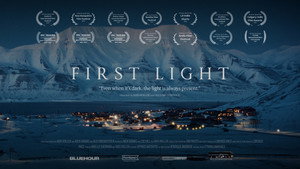
First Light
Residents of the world’s northernmost town, which is steeped in darkness four months per year, grapple with why they inhabit such a hostile place—and how their unique relationship to the sun changes the meaning of light and darkness within their own lives.