Watch Prisoners of Conscience (1978) Online Free
An early Patwardhan documentary completed in 1978, Prisoners of Conscience focuses on the state of emergency imposed by Indira Ghandi from June 1975 through March 1977. During this time over 100,000 people were arrested without charge and imprisoned without trial. They were released only by the government that replaced Ghandi's. The film also shows that political prisoners existed in India before the state of emergency and continued after the new government was elected.
More Like This
Georgie
An ex mobster reflects on love and loss after spending 32 years in prison.
2024
Preschool to Prison
Preschool to Prison is a compelling examination of how the United States public school system is built and operated like prisons. Zero-tolerance policies are used to justify suspension and arrests that set up a pathway to send children of color and children with special needs from school to prison. Children are being suspended, restrained, dragged, physically manhandled, and subsequently arrested for minor offenses such as throwing candy on a school bus. These personal accounts from people affected by the school-to-prison pipeline give riveting tales about the generational impact on society.
2023
The Prison Within
Survivors of violent crimes and prisoners incarcerated for murder connect to undergo astonishing transformations, liberating themselves from the debilitating constraints of trauma, and shattering preconceptions of "us and them."
2020
Last Days of Solitary
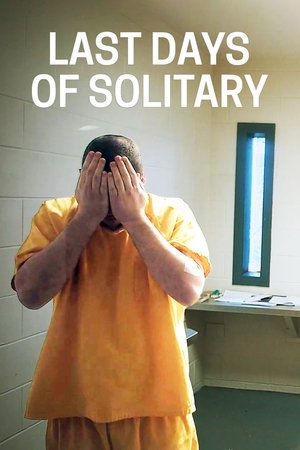
In 2011, Maine State Prison launched a pioneering reform program to scale back its use of solitary confinement. Bafta and Emmy-winning film-maker Dan Edge and his co-director Lauren Mucciolo were given unprecedented access to the solitary unit - and filmed there for more than three years. The result is an extraordinary and harrowing portrait of life in solitary - and a unique document of a radical and risky experiment to reform a prison. The US is the world leader in solitary confinement. More than 80,000 American prisoners live in isolation, some have been there for years, even decades. Solitary is proven to cause mental illness, it is expensive, and it is condemned by many as torture. And yet for decades, it has been one of the central planks of the American criminal justice system.
2017

The Work
Set entirely inside Folsom Prison, The Work follows three men during four days of intensive group therapy with convicts, revealing an intimate and powerful portrait of authentic human transformation that transcends what we think of as rehabilitation.
2017
Inside
In the Youth Prison of Catalonia live around around 300 youngsters between the ages of 18 and 23. Five of them picked up a camera for a year to tell how is life behind the walls of a prison. One year to talk about darkness, the passage of time, death and freedom. Particularly freedom.
2016
Insein Rhythm
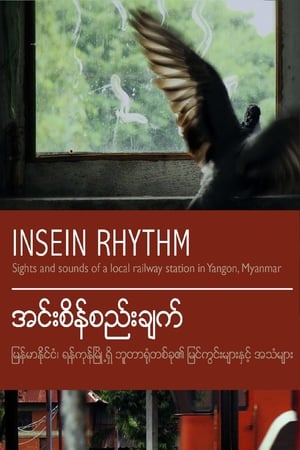
Insein Rhythm portrays the sights, sounds and rhythms of Yangon’s Insein train station which is also a stone’s throw away from the country’s infamous Insein prison.
2016
I Come From
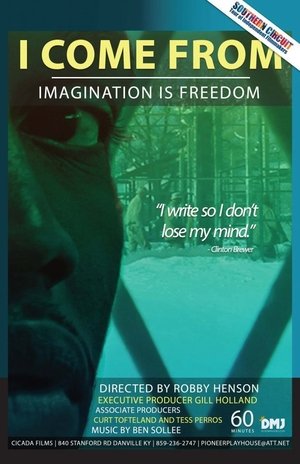
America is the world's largest jailer and our over-burdened corrections system treats individuals as numbers. I COME FROM focuses on incarcerated poets and playwrights who use the power of creativity to change the direction of their lives. Their poems and plays reflect hard lives lived, tough environments negotiated, past mistakes made. This film focuses on six incarcerated artists whose work declares a wish, a will to survive, to grow as human beings and embrace an architecture of change. Recorded at Northpoint, Kentucky Department of Corrections, USA.
2015
Lost Button
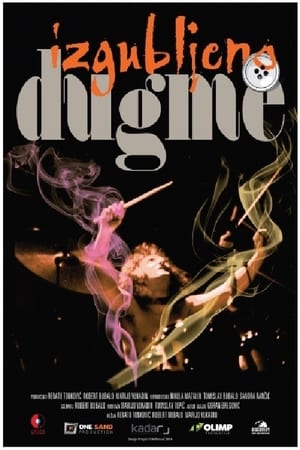
A documentary about Goran Ivandic 'Ipe', the drummer of most popular Yugoslav rock band of all time, Sarajevo-based "Bijelo dugme" (White Button). Ivandic's fatal jump from the balcony of hotel Metropol in Belgrade in 1994 sparked much controversy around his fate.
2015
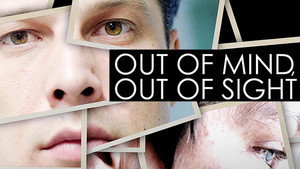
Out of Mind, Out of Sight
Four-time Emmy winner John Kastner was granted unprecedented access to the Brockville facility for 18 months, allowing 46 patients and 75 staff to share their experiences with stunning frankness. The result is two remarkable documentaries: the first, NCR: Not Criminally Responsible, premiered at Hot Docs in the spring of 2013 and follows the story of a violent patient released into the community. The second film, Out of Mind, Out of Sight, returns to the Brockville Mental Health Centre to profile four patients, two men and two women, as they struggle to gain control over their lives so they can return to a society that often fears and demonizes them.
2014
Petite Roquette, une prison-machine
2013
Hard Time: The Making of Prison
Retrospective documentary on the making of the low-budget horror film Prison (1987)
2013

Wrong Fellows
Documentary about four maffia-like friends based in Amsterdam.
2010
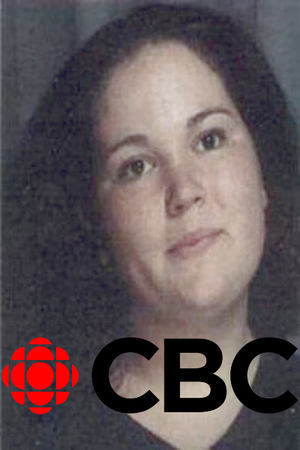
Ashley Smith : Out of Control
Ashley Smith was a troubled 19-year-old when she choked herself to death at Ontario's Grand Valley Institution for Women. Her death made national headlines and led to a scathing report by Canada’s federal prison ombudsman. Incarceration for Ashley began at a youth detention centre in New Brunswick. Her crime: she had tossed crabapples at a mailman. Her one-month sentence stretched to almost four years, served in five provinces. With the prison videotapes and exclusive access to Smith’s parents, along with a fellow inmate, this documentary exposes a system that fails the many Ashley Smiths still incarcerated in Canadian institutions.
2010
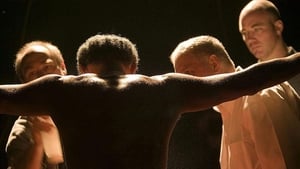
Standard Operating Procedure
Errol Morris examines the incidents of abuse and torture of suspected terrorists at the hands of U.S. forces at the Abu Ghraib prison.
2008
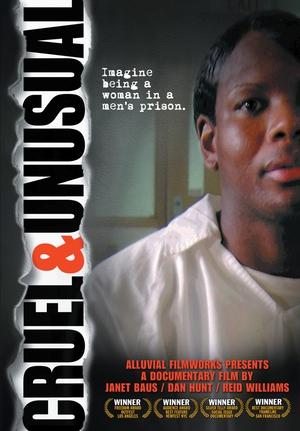
Cruel and Unusual
Five transgender women share their prison experiences. Interviews with attorneys, doctors, and other experts are also included.
2006
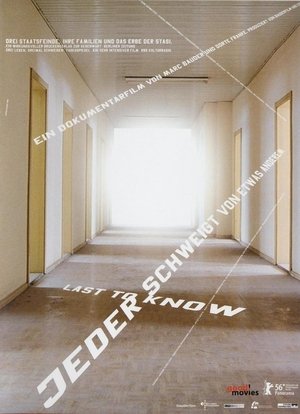
Last to Know
In the documentary Last To Know political prisoners, sent to jail for openly opposing the East German regime that existed until the German reunification in 1990, talk about their times of trial and their lives today. Neither they, nor their families have come to terms with what happened.
2006

Murder on a Sunday Morning
2001 French documentary about the murder trial of a 15 year old black teen accused of murder in Jacksonville, Florida. Winner of 2002 Academy Award for Best Documentary.
2001

The Big One
The Big One is an investigative documentary from director Michael Moore who goes around the country asking why big American corporations produce their product abroad where labor is cheaper while so many Americans are unemployed, losing their jobs, and would happily be hired by such companies as Nike.
1997
Løsladt - Henrik tur/retur
1997