Watch Predators of the Wild: Grizzly Bear (1992) Online Free
Loading Cinehub...
This video examines the grizzly bear, one of nature's greatest predators. It is part of a multi-volume Time Warner series that markets the ferocious, killing aspects of various wild animals.
Cast
William Hootkins
More Like This
Flamingos: Life After the Meteorite
The search for the right partner, place, and moment to start a family is one of nature's most crucial journeys. This breathtaking story of love, survival, and perseverance follows Caribbean flamingos through one of the most fragile stages of their lives. With Julieta Venegas’ voice and Bryce Dessner’s music setting the tone, this film offers a unique and immersive cinematic experience, capturing the beauty and struggles of these extraordinary birds.
2026

Mamus
A stunning and intimate portrait of the Arhuaco indigenous community in Colombia. In 1990, in a celebrated BBC documentary, the Arhuaco made contact with the outside world to warn industrialized societies of the potentially catastrophic future facing the planet if we don’t change our ways. Now, three decades later, with the advances of audio/visual technology, we go back to the Snowy Peaks of Sierra Nevada de Santa Maria to illuminate their ethos against the backdrop of an increasingly fragile world.
2024
Wild Tokyo
It may be the largest and most densely populated city on Earth, but Tokyo’s 14 million human residents share their home with an astonishing array of wildlife. From jewel beetles and goshawks in the city’s shrines to the forests of Okutama where bears, monkeys and tanuki feast, this film reveals the power of nature in Japan’s capital.
2021
Cantábrico
Spreading about 400 km in parallel to the Cantabric Sea, the Cantabrian Mountains, located North to Spain are a natural top wall full of animal and vegetable life that live in an extreme conditions across any year. Making a review along the four seasons, the documentary examines the situation and the relation of the different species, focusing in the brown bear's life in addition with the salmons travel along of thousand kilometers to return home to spawn, showing too the difficult of a landscape where danger is everywhere, including in the smallest size. A fascinating travel for revealing the wonder of nature.
2017
The Canary Islands
There are few places on earth that have such a diverse variety of terrain and range of climates concentrated in a relatively small area - temperate coastline, scorching arid deserts and tundra, tropical rainforests and frozen snowcapped mountains. And there are few places that are as heavily exploited by humans, yet remain a wilderness.
2016
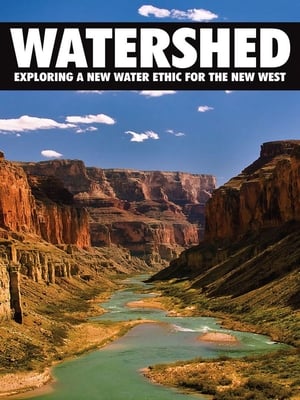
Watershed: Exploring a New Water Ethic for the New West
As the most dammed, dibbed, and diverted river in the world struggles to support thirty million people and the peace-keeping agreement known as the Colorado River Pact reaches its limits, WATERSHED introduces hope. Can we meet the needs of a growing population in the face of rising temperatures and lower rainfall in an already arid land? Can we find harmony amongst the competing interests of cities, agriculture, industry, recreation, wildlife, and indigenous communities with rights to the water? Sweeping through seven U.S. and two Mexican states, the Colorado River is a lifeline to expanding populations and booming urban centers that demand water for drinking, sanitation and energy generation. And with 70% of the rivers’ water supporting agriculture, the river already runs dry before it reaches its natural end at the Gulf of California. Unless action is taken, the river will continue its retreat – a potentially catastrophic scenario for the millions who depend on it.
2012
Dolphins in the Deep Blue Ocean
They are inspirational, playful, powerful, interesting and very intelligent animals, which have a magical bond with the people: Dolphins. You'll see these magnificent animals in their natural habitats - reefs in Eilat, the largest marine reserve in the world. And also be able to watch a dolphins dance and play with the camera, dive or just durachatsya. Never seen so close before!
2009
Life After People
In this special documentary that inspired a two-season television series, scientists and other experts speculate about what the Earth, animal life, and plant life might be like if, suddenly, humanity no longer existed, as well as the effect humanity's disappearance might have on the artificial aspects of civilization.
2008
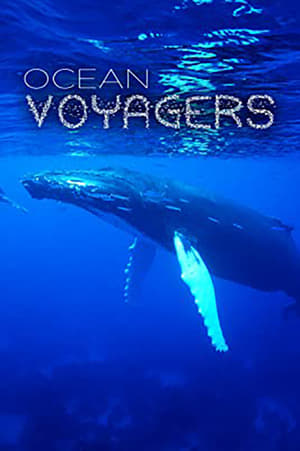
Ocean Voyagers
Ocean Voyagers explores the familiar themes of motherhood and parenting in a world as unfamiliar as it is breathtaking. Featuring a precocious newborn humpback calf and his enormous 40 ton mother, we are taken on a journey of discovery into their world.
2007
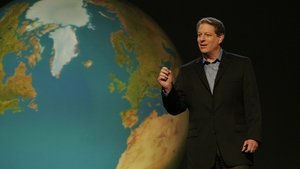
An Inconvenient Truth
A documentary on Al Gore's campaign to make the issue of global warming a recognized problem worldwide.
2006
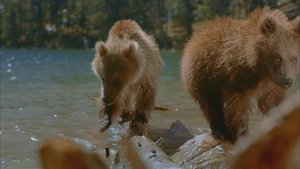
Bears
From polar bears in the arctic tundra to black bears in the Northern Rockies, you'll see some of the most spectacular footage ever shot of these enterprising omnivores. Catch salmon with a group of hungry grizzlies on the McNeil River in Alaska. Crawl inside a den with a mother black bear and her cubs. Learn about the challenges facing each of these species as their habitat diminishes.
2004
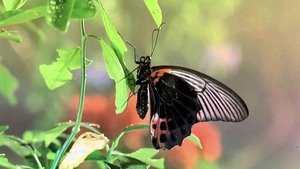
Bugs!
Explore the extraordinary hidden world of insects, where a leaf weighs more than a car, rain drops feel like exploding hand grenades and a blade of grass soars like a skyscraper. Shot on location in the Borneo rainforest, Bugs! brings the beautiful and dangerous universe of its tiny stars up close and personal with cutting-edge technology that magnifies them up to 250,000 times their normal size.
2003
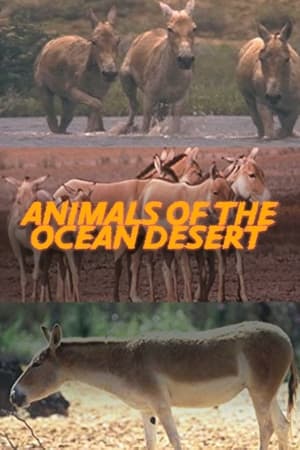
Animals of the Ocean Desert
For two-thirds of the year, the Little Rann is a desert. Suddenly, in August, monsoon winds whip up the Arabian Sea and carry it 100 km inland. The desert and these mounds soon become islands and homes to high concentrations of rarely-seen, endangered and spectacular wildlife.
2001
Wolves
A look at the great wolf debate with comments and views from people on both sides. It also contains footage of Natives dressing up & doing tribal dances. The link between wolves, bison, and Native Americans; as well as white man's reasoning behind their determination to eliminate bison and wolves from the landscape.
1999
Antarctica: An Adventure of a Different Nature
This large format film explores the last great wilderness on earth. It takes you to the coldest, driest, windiest continent, Antarctica. The film explores the life in Antarctica, both for the animals that live their and the scientist that work there.
1991
Chronos
Carefully picked scenes of nature and civilization are viewed at high speed using time-lapse cinematography in an effort to demonstrate the history of various regions.
1985

Koyaanisqatsi
Takes us to locations all around the US and shows us the heavy toll that modern technology is having on humans and the earth. The visual tone poem contains neither dialogue nor a vocalized narration: its tone is set by the juxtaposition of images and the exceptional music by Philip Glass.
1983
Bigfoot: Man or Beast?
People go and search for the legendary Bigfoot creature.
1972

Broken Fall (Organic)
Bas Jan Ader hangs from the branch of a tall tree, until he loses his grip and falls into a river below.
1971
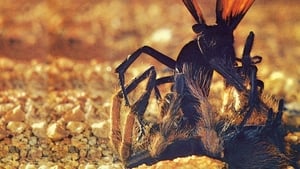
The Living Desert
Although first glance reveals little more than stones and sand, the desert is alive. Witness moving rocks, spitting mud pots, gorgeous flowers and the never-ending battle for survival between desert creatures of every shape, size and description.
1953