Watch Photo Souvenir (2006) Online Free
At a dusty crossroads in the desert city of Niamey, Niger, a crippled beggar is sitting in his wheelchair. He is Philippe Koudjina, who was once a successful photographer. In 1960s during the euphoria that followed independence, young people danced the twist and rock ‘n’ roll. Koudjina took snapshots and made a good living. Now, his negatives are decaying in a rusty cabinet. These snapshots now have artistic value. In Paris and New York, large sums are paid for photography like this. There is hope for Koudjina as two French connoisseurs are now trying to launch his work on the art circuit.
More Like This

Sahel: Pátria ou Morte
For decades, the countries of the African Sahel region have been targets of colonialism and exploitation by France and other Western powers. This documentary addresses the popular resistance and new paths of development forged by Burkina Faso, Niger, and Mali after experiencing civil and military uprisings in recent years. The film explores the popular resistance that sustains the revolution in the three Sahel countries and was made after extensive coverage of the ongoing social dynamics and geopolitical disputes.
2025

Beyond the Ruins
Embark on a captivating journey that delves into the essence of Yucatecan Maya life in the 21st century. This feature-length documentary unfolds against the backdrop of Coba, the second largest Maya ceremonial center in the ancient world. From this archaeological marvel, the film ventures deep into the lush jungles and intimate villages, offering a poignant exploration of two indigenous families committed to preserving their rich heritage. At its core, Beyond the Ruins weaves a tapestry that illuminates the profound interconnectedness of existence, as mirrored in the ancient Maya philosophy of "in lak' ech, a lak' en" - where "I am you; you are me." The film not only resurrects a vibrant but often overlooked culture; it also invites viewers to contemplate the universal lessons embedded in Maya wisdom. Through this evocative lens, audiences discover not only a living legacy but also a source of inspiration to enhance their own quality of life.
2024

The Dawn is Too Far: Stories of Iranian-American Life
The Dawn is Too Far: Stories of Iranian-American Life poetically narrates the story of a community of Iranian Americans who have made the San Francisco Bay Area their home over the past five decades. The film explores Iranian immigration through turbulent histories of dissent, revolution, war, and separation, and the reinvention of identity in a new land and culture. The Dawn is Too Far highlights how Iranian students, activists, and artists have navigated displacement while drawing on and influencing Bay Area culture. This community offers a more nuanced story of the Iranian diaspora—the ways that this community enriches the region where they live, work, and build families. The Dawn is Too Far undermines the tired and overplayed news headlines that are dominated by narratives of enmity and mistrust between the government of Iran and the U.S., to offer a more humane understanding of the how people's lives and the sacrifices they make are part of the larger story of immigration.
2024
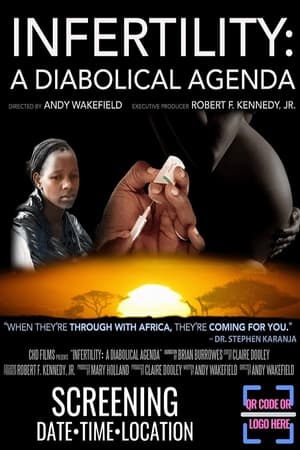
Infertility: A Diabolical Agenda
Watch the chilling tale of African women whose fertility was tragically stripped away through an experimental tetanus vaccination program. Are women from other continents next?
2022
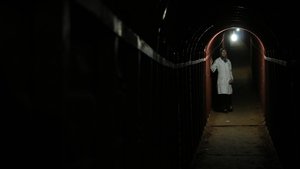
The Cave
Deep beneath the surface in the Syrian province of Ghouta, a group of female doctors have established an underground field hospital. Under the supervision of paediatrician Dr. Amani and her staff of doctors and nurses, hope is restored for some of the thousands of children and civilian victims of the ruthless Syrian civil war.
2019
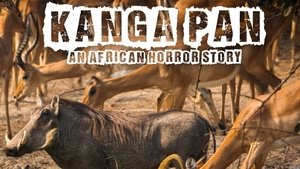
Disparitions autour du Kanga Pan
2019
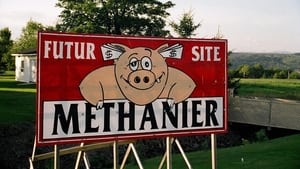
La bataille de Rabaska
2018
Walter Mittelholzer - Eine Schweizer Pioniergeschichte
2015
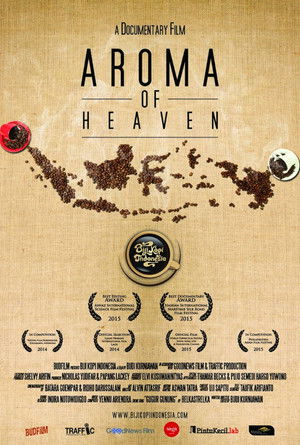
Aroma of Heaven
How well we know our cup of coffee?
2014
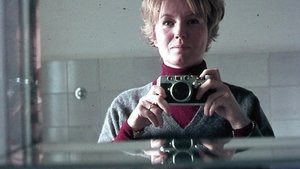
Io sono nata viaggiando
A journey back through Dacia Maraini's and her trips around the world with her close friends cinema director Pier Paolo Pasolini and opera singer Maria Callas. An in-depth story of this fascinating woman's life. Maraini's memories come alive through personal photographs taken on the road as well as her own Super 8 films shot almost thirty years ago.
2013
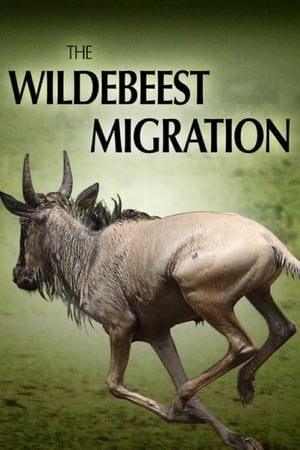
The Wildebeest Migration: Nature's Greatest Journey
Every year, on the steppes of the Serengeti, the most spectacular migration of animals on our planet: Around two million wildebeest, Burchell's zebra and Thomson's gazelles begin their tour of nearly 2,000 miles across the almost treeless savannah. For the first time, a documentary captures stunning footage in the midst of this demanding journey. The documentary starts at the beginning of the year, when more than two million animals gather in the shadow of the volcanoes on the southern edge of the Serengeti in order to birth their offspring. In just two weeks, the animal herd's population has increased by one third, and after only two days, the calves can already run as fast as the adults The young wildebeest in this phase of their life are the most vulnerable to attacks by lions, cheetahs, leopards or hyenas. The film then follows the survivors of these attacks through the next three months on their incredible journey, a trip so long that 200,000 wildebeest will not reach the end.
2012

Marfil
The first filmmaker arrived in Equatorial Guinea in 1904. The last movie theatre closed in Malabo in the 1990s. In 2011, during the II African Film Festival of Equatorial Guinea, the Marfil Movie Theatre reopened its doors. Florencio, Ángel and Estrada tells us how cinema has been, and is still, present in their lives.
2011
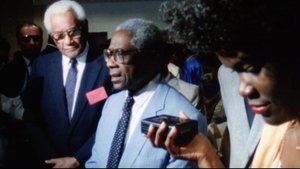
Papa Césaire
Shortly after his death in 2008, Maldoror made this film about her longtime friend and collaborator, the Négritude poet Aimé Césaire. In this film, she retraces the steps of Césaire’s travels across the globe — particularly back to his hometown in Martinique, where Maldoror interviews his relatives about his life — and her working relationship with Césaire, including fragments of her previous films about him, Un homme, une terre (1976) and Le masque des mots (1987).
2009
Saving Africa's Witch Children
This shocking documentary reveals the plight of young Nigerians branded as witches.
2008
Memory Books
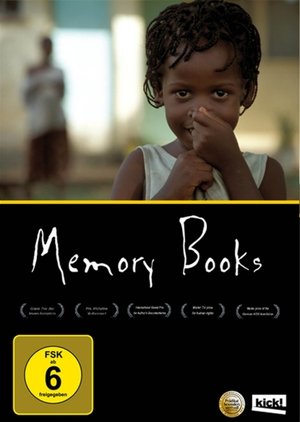
In Uganda, AIDS-infected mothers have begun writing what they call Memory Books for their children. Aware of the illness, it is a way for the family to come to terms with the inevitable death that it faces. Hopelessness and desperation are confronted through the collaborative effort of remembering and recording, a process that inspires unexpected strength and even solace in the face of death.
2008
Der lange Weg ans Licht
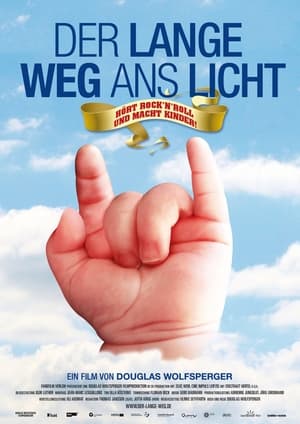
Edeltraut Hertel - a midwife caught between two worlds. She has been working as a midwife in a small village near Chemnitz for almost 20 years, supporting expectant mothers before, during and after the birth of their offspring. However, working as a midwife brings with it social problems such as a decline in birth rates and migration from the provinces. Competition for babies between birthing centers has become fierce, particularly in financial terms. Obstetrics in Tanzania, Africa, Edeltraud's second place of work, is completely different. Here, the midwife not only delivers babies, she also trains successors, carries out educational and development work and struggles with the country's cultural and social problems.
2008

Sieben Mulden und eine Leiche
Thomas Haemmerli is about to celebrate his fortieth birthday when he learns of his mother's death. A further shock follows when he and his brother Erik discover her apartment, which is filthy and full to bursting with junk. It takes the brothers an entire month to clean out the place. Among the chaos, they find films going back to the 1930s, photos and other memorabilia.
2007
Baraka
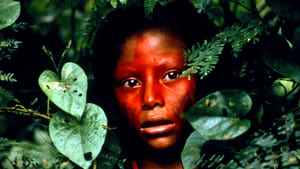
A paralysingly beautiful documentary with a global vision—an odyssey through landscape and time—that attempts to capture the essence of life.
1992
The Pan-african Festival in Algiers
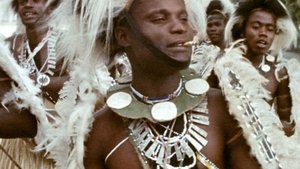
Festival panafricain d'Alger is a documentary by William Klein of the music and dance festival held 40 years ago in the streets and in venues all across Algiers. Klein follows the preparations, the rehearsals, the concerts… He blends images of interviews made to writers and advocates of the freedom movements with stock images, thus allowing him to touch on such matters as colonialism, neocolonialism, colonial exploitation, the struggles and battles of the revolutionary movements for Independence.
1969

Like It Is
This documentary on the "youth movement" of the late 1960s focuses on the hippie pot smoking/free love culture in the San Francisco Bay area.
1968