Watch People Who Stay (2008) Online Free
The King family is from Badger's Quay near Greenspond, Newfoundland with over 40 family relatives still living there. The entire community has a population of only 400. Actor/musician Greg King takes us on tour of his family homes, and to meet his father and sister, who work at the hospital where they were all born. They tell of the importance of family and the irony of feeling worldly while connected to a small community in central Newfoundland.
Cast
Greg King
More Like This
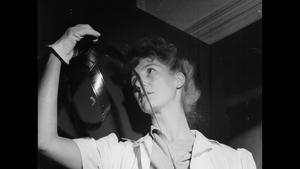
A Return to Memory
When Canada entered World War II, the National Film Board suddenly had an urgent new mission—and hundreds of women stepped forward, helping to create Canadian cinema as we now know it.
2024
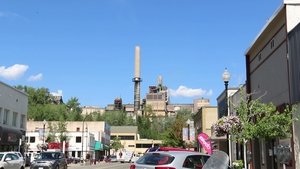
The Ballad of Ginger Goodwin
Documentary on BC labor activist Ginger Goodwin, his career as a striker, anti-war efforts, and assassination. Explores locations around Cumberland and the West Kootenays in present day.
2024
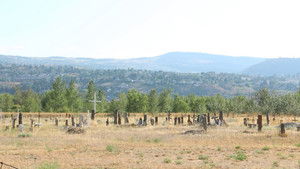
Gentleman Bandit
Documentary on the Canadian career of train robber Billy Miner, who became a folk hero in British Columbia. Locations near Kamloops and Mission are explored in present day.
2024
Indian Rights for Indian Women
Three intrepid women battle for Indigenous women's treaty rights.
2018
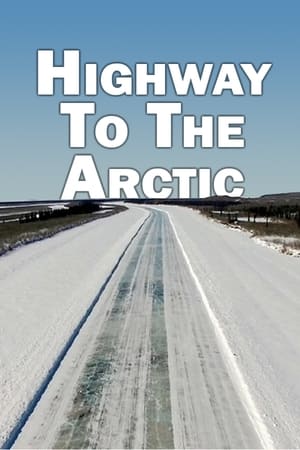
Highway to the Arctic
Every winter for decades, the Northwest Territories, in the Canadian Far North, changes its face. While the landscape is covered with snow and lakes of a thick layer of ice, blocking land transport, ice roads are converted to frozen expanses as far as the eye can see.
2017
Nowhere Land
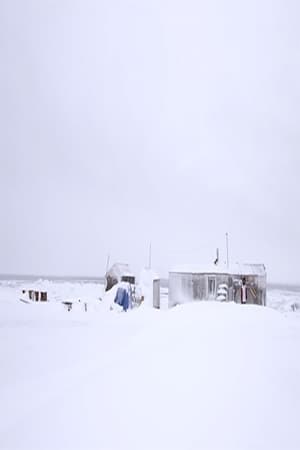
Documentary about filmmaker Bonnie Ammaaq's memories of life on Baffin Island, where her family moved for eleven years during her childhood from the hamlet of Igloolik to return to the traditional Inuit way of life.
2015
Déception durable
2014
Romeos & Juliets
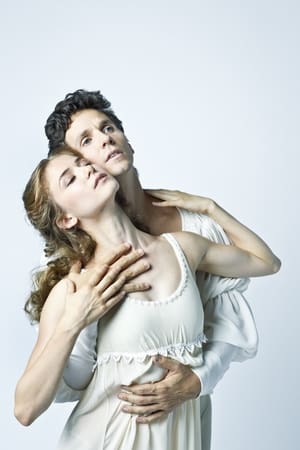
From grueling rehearsals to the world premiere, Romeos & Juliets offers an unprecedented behind-the-curtain look at the National Ballet of Canada as ten dancers vie to perform the lead roles on the coveted opening night of "Romeo and Juliet," as envisioned by acclaimed choreographer Alexei Ratmansky in celebration of the company's 60th anniversary.
2012
Bowling for Columbine
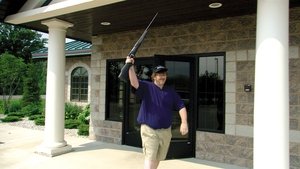
This is not a film about gun control. It is a film about the fearful heart and soul of the United States, and the 280 million Americans lucky enough to have the right to a constitutionally protected Uzi. From a look at the Columbine High School security camera tapes to the home of Oscar-winning NRA President Charlton Heston, from a young man who makes homemade napalm with The Anarchist's Cookbook to the murder of a six-year-old girl by another six-year-old. Bowling for Columbine is a journey through the US, through our past, hoping to discover why our pursuit of happiness is so riddled with violence.
2002
The Tall Ships in Canada
Captures the highlights of the weekend in July of 2000 when 80 of the world's tall ships arrived in Halifax Harbour before the start of the race back across the Atlantic Ocean for a trans-Atlantic race.
2000
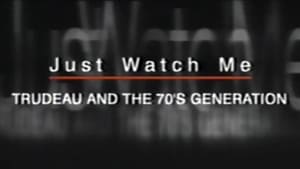
Just Watch Me: Trudeau and the 70's Generation
Canadian director Catherine Annau's debut work is a documentary about the legacy of Pierre Trudeau, the long-running Prime Minister of Canada, who governed during the 1970s. The film focuses particularly on Trudeau's goal of creating a thoroughly bilingual nation. Annau interviews eight people in their mid-30s on both sides of the linguistic divide. One tells of her life growing up in a community of hard-core Quebec separatists, while another, a yuppie from Toronto, recalls believing as a child that people in Montreal got drunk and had sex all day long. Annau has all of the interviewees discuss how Trudeau's policies affected their lives and their perceptions of the other side, in this issue that strikes to the heart of Canada's national identity.
1999
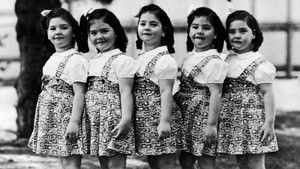
The Dionne Quintuplets
In 1934, Elzire Dionne delivered five identical girls. The Dionne Quintuplets follows Cecile, Emilie, Marie, Yvonne and Annette through twenty-one years of strange upbringing. When the girls were just infants, the premier of Ontario issued a court order removing them from parental care. Cut off from the world and their family, over-publicized, viewed twice daily in a special viewing compound, they grew up as prize exhibits. Director Donald Brittain uses old newsreel footage, home-movie sequences and interviews to depict a historic event that became a tragic exploitation of a family.
1978

A Day in the National Parks
An impressionistic view of Canada's national parks. The camera creates a composite landscape of ideal beauty where nature is wild and varied. It travels from the east coast to the west, from seashore to mountains, from lakes to forests. A film without words.
1978
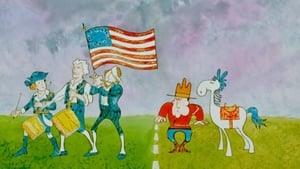
Propaganda Message
A cartoon film about the whole heterogeneous mixture of Canada and Canadians, and the way the invisible adhesive called federalism makes it all cling together. That the dissenting voices are many is made amply evident, in English and French. But this animated message also shows that Canadians can laugh at themselves and work out their problems objectively.
1974
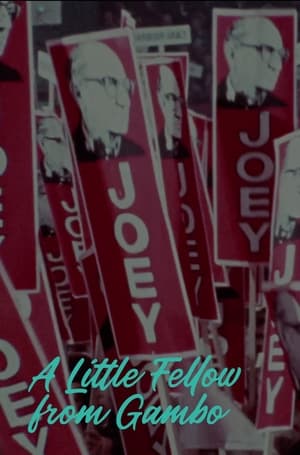
A Little Fellow from Gambo: The Joey Smallwood Story
This feature-length documentary paints a lively portrait of Father of Confederation and first premier of Newfoundland Joseph Roberts Smallwood, or "Joey," as he is known to most Canadians. Following one of Canada’s most colourful political figures during a two-and-a-half-month period that included a stormy Liberal leadership convention, the film reveals a man misunderstood even by his close associates.
1970
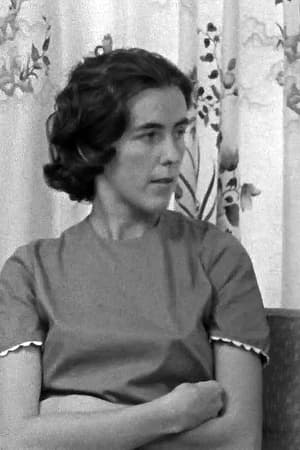
A Woman's Place
Two women discuss the roles and problems of women, education, and shopping on Fogo Island.
1967
I Am a Country
Produced for the NFB by Crawley Films Ltd. for the Canadian Department of Industry Trade and Commerce. This film provides a showcase for products manufactured in Canada, from aircraft designed for special duties, to pre-cast bathrooms that can be installed in one simple operation. There is heavy-duty machinery developed for the special needs of Canadian industry. There are women's fashions of universal appeal. All bear the 'Made in Canada' label and can be viewed in this film in colour and at close range.
1967
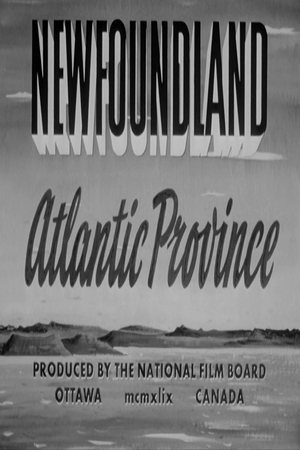
Newfoundland: Atlantic Province
With simple ceremony on Parliament Hill, Ottawa, Newfoundlanders are welcomed as fellow-Canadians. Prime Minister St. Laurent starting off the carving of Newfoundland's coat of arms in the tenth and formerly blank shield over the entrance to the Parliament Buildings, writing in stone another chapter of Confederation. So begins this survey of Canada's tenth province, Newfoundland, its resources and how its people live. The film takes us to St. John's, Corner Brook, Bell Island, and includes a visit to Labrador where we see the giant airport at Gander.
1949
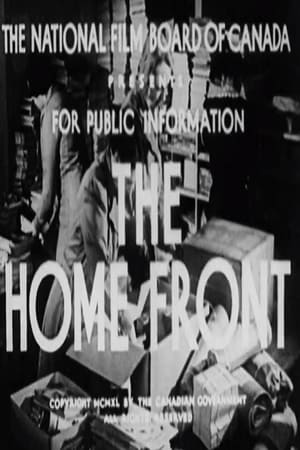
Home Front
This short documentary is part of the Canada Carries On series of morale-boosting wartime propaganda films. In Home Front, the various WWII-era social contributions of women are highlighted. From medicine to industrial labour to hospitality, education and domesticity, the service these women provided to their country is lauded.
1940
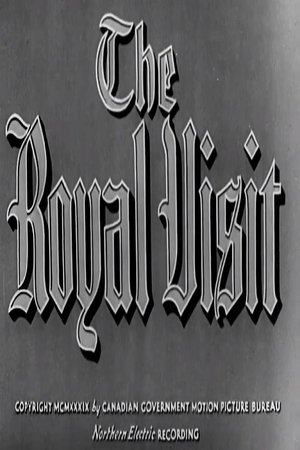
The Royal Visit
This feature documentary offers a complete record of the 1939 Royal Tour of Canada by King George VI and Queen Elizabeth. The film opens as the royal couple makes a stop in Québec city, where Premier Duplessis greets them. They then visit Montréal and meet mayor Camilien Houde. A visit to Ottawa brings them to Parliament, where Prime Minister MacKenzie King is present. The visit continues throughout Ontario, the prairies, and western Canada. The Royal couple also makes a brief stop in Washington and meets President Franklin Roosevelt. They then stop in on the Maritime provinces before boarding a Royal yacht for the journey back to England.
1939