Watch Paradies der Tiere (1979) Online Free
On the 160-hectare grounds of the former Friedrichsfelde Palace Park, the Berlin Animal Park was established in the 1950s with the active support of the local population. In 1980, more than 7,800 animals from all continents live here. The film describes the foundation, the construction and the care of the animals in the extensive park.
Cast
Fritz-Jochen Kopka
More Like This
Pride & Attitude
The viewpoints of women from a country that no longer exists preserved on low-band U-matic tape. GDR-FRG. Courageous, self-confident and emancipated: female industry workers talk about gaining autonomy.
2025
Tiergarten
A film portrait of Schönbrunn Zoo, a modern zoo that represents the radical change in the relationship between humans and animals like no other.
2024

The Invisible Zoo
Across the seasons, the film gives an account of life and work and the animals and visitors at Zurich Zoo, an institution that is one of the leading zoological gardens in Europe. Animals in their cages, humans in the cinema. What lies between them?
2024

East German Schlager is dead. Long live the East German Schlager!
Siegfried "Siggi" Trzoß, a radio moderator from East Berlin, is working tirelessly leading up to his anniversary and 900th show. The music his heart burns for is East German Schlager, a genre politically ignored at first and widely forgotten now. But Siggi keeps the dream alive to this day, making the hearts of seniors jump higher in nostalgia all over east Germany.
2023

London Zoo at Christmas
An exclusive, festive behind-the-scenes look at the iconic London Zoo, as they prepare for the most wonderful time of the year and make the holiday magic happen.
2022
Change of Scenery
Born in Germany in 2002, Noa Blanche Beschorner evokes the memory of those who, a generation before her, lived through the separation of East and West Germany. Tapetenwechsel (Change of Scenery) is the story of youth seeking their identity when confronting their collective memory.
2022
Drei Frauen
2022
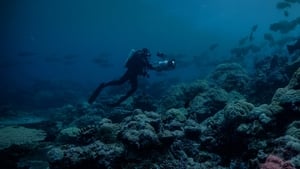
Night on Earth: Shot in the Dark
This look behind the scenes shows how worldwide camera crews climbed, dived and froze to capture the documentary's groundbreaking night footage.
2020
DDR - die entsorgte Republik
2019
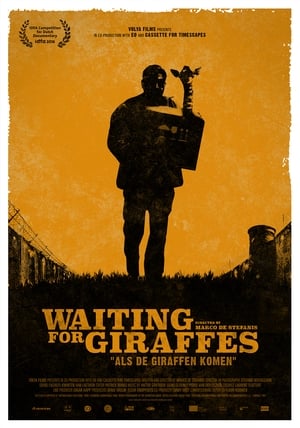
Waiting For Giraffes
After two intifadas and the construction of the Israeli wall, the only Palestinian zoo is still there and is now seeking for international recognition and to replace their lost giraffes.
2016
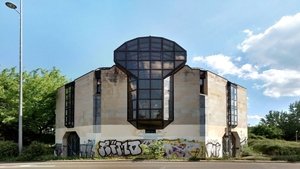
Bowlingtreff
The “Bowlingtreff” is a bowling alley situated right in the centre of Leipzig opened in July 1987. At that time the quality of life in Leipzig and the whole GDR got worse. Houses collapsed because of poor conditions, public life and amusement was on a very low level. The “Bowlingtreff” was not merely an urban entertainment centre but a revolution in those days. Built with the help of hundreds of volunteers without permission of the state authorities in Berlin the building expresses a free and international architecture known as postmodernism. It is an architecture that was never seen before in Leipzig. Marble and parquet on the floor, a glass roof and beautiful pink pillars. The atmosphere was western as time witnesses remember it.
2015
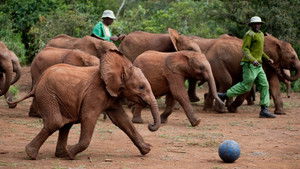
Born to Be Wild
Born to Be Wild observes various orphaned jungle animals and their day-to-day behavioural interactions with the individuals who rescue them and raise them to adulthood. The film unfurls in two separate geographic spheres. Half of it takes place in the rain forests of Borneo, where celebrated primatologist Dr. Birute Galdikas assists baby orangutans; the other half takes place on the arid savannahs of Kenya, where zoologist Dame Daphne Sheldrick works with baby elephant calves.
2011
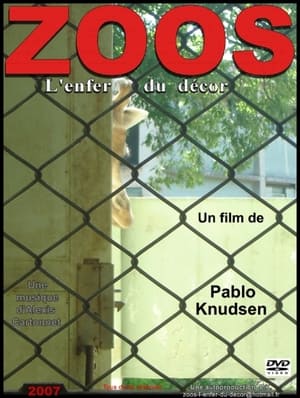
Zoos, l'enfer du décor
A documentary that explores the issue of animal confinement in zoos. The film examines the stance we should take toward this form of animal exploitation, which is increasingly being challenged. By giving prominence to dialogue and featuring numerous contributors—including historians, philosophers, ethologists, zookeepers, activists, and others—the film sparks meaningful reflection and explores several issues directly related to the question of animal confinement.
2007

Poto and Cabengo
Documentary by Jean-Pierre Gorin about twin girls who spontaneously developed their own unique language as children.
1980
Interkosmos
Short film about astronauts in the GDR
1980
Republic of Zambia
Erich Honecker visits the Republic of Zambia
1979
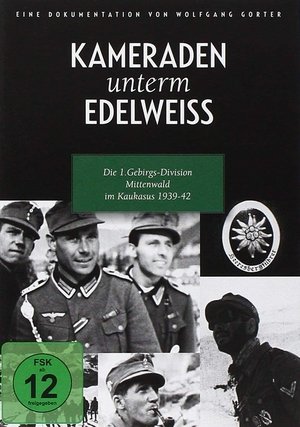
Comrades under Edelweiss
This rare documentary was filmed with the participation and personal camera of Wolfgang Gorther, a German military cinematographer of the 1st mining division, who participated in the legendary ascent of Elbrus on the night of August 21, 1942. From the beginning of the Second World War and the last international winter sports week in Garmisch-Partenkirchen follows the invasion of the German troops into the Soviet Union: Dnieper, Zaporozhy, Kharkov, Rostov-on-Don, Nogaean Steppe, Caucasus – fighting at 50 degrees below zero, military expedition into the world of ice and snow; – ascent of mountain arrows and subsequent hoisting of flags on the Elbrus at an altitude of 5,633 meters.
1943
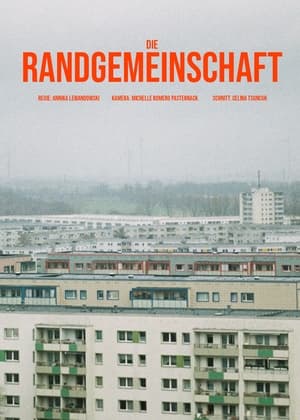
Die Randgemeinschaft
Die Mamais
This color documentary tells the story of the "Mamais." In 1960, a group of workers at the Bitterfeld chemical plant set themselves the task of becoming the first "socialist brigade" in the German Democratic Republic (GDR) to act in accordance with the slogan "Work, learn, and live socialist."
1974
Hein Petersen, vom Schiffsjungen zum Matrosen
1917