Watch Nuremberg (1996) Online Free
On 20 November 1945, in what had once been the spiritual centre of the Nazi Empire, the first Nuremberg trial opened. Nuremberg examines the first trail in detail: the scale and speed of the US-led effort to place the Third Reich's leaders in the dock; the charges brought against them; the courtroom drama; the final judgements. Of the 21 defendants, three were acquitted, seven given jail sentences and the remaining eleven sentenced to death, among them Hitler's right-hand man, Hermann Goering. This programme also explores the twelve subsequent trials against the backdrop of the emerging Cold War and the shifting allegiances of allies and enemies in the immediate post-war period.
Cast
James Faulkner
More Like This
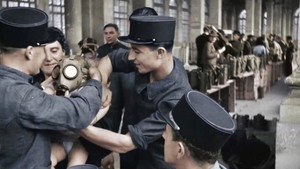
1939-1940: A Strange Defeat
In late summer 1939, the French learned that Adolf Hitler had attacked Poland. On September 3, France entered the war, twenty years after the carnage of World War I. Although France was considered the world’s leading military power, with a vast empire and a powerful ally in the United Kingdom, everyone was overcome with a sense of dread. Yet the fighting would not begin until May 1940 and would end with France’s defeat in June. How did the French people experience those few months—among the most decisive and darkest in the country’s history?
2026
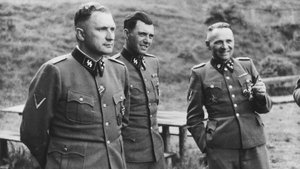
Bullets And Blueberries
The Holocaust began with the indiscriminate mass shootings by the Einsatzgruppen in the bloodlands of Eastern Europe and was perfected in the gas chambers at Auschwitz. “Bullets And Blueberries” explores the motives, methods and madness of the perpetrators, using never-before-seen images captured by the killers themselves — images that fully capture the banality of evil.
2025
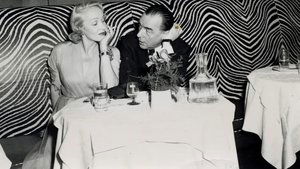
Erich Maria Remarque und Marlene Dietrich - Flucht in die Liebe
In his second international bestseller, "Arc de Triomphe," author Erich Maria Remarque explores his own experience of exile and his decisive encounter with Marlene Dietrich. From Paris and Antibes to Los Angeles and New York, the documentary traces the moving genesis of this highly autobiographical novel, now considered a major work of European exile literature, and the literary legacy of the long-standing passion between two global stars.
2025
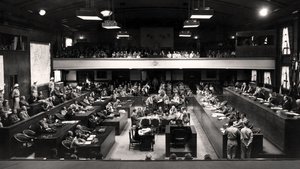
Procès de Tokyo, le Nuremberg oublié
2025
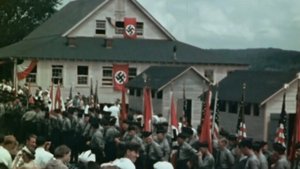
America first, the Nazi plot
April 17, 1944. A high-profile trial for sedition opens in Washington. Dozens of individuals—including members of Congress—are accused of cooperating with German forces, participating in pro-Nazi movements, and plotting to overthrow the U.S. government. How did this happen in the world's greatest democracy? And why does no one remember this major episode in American history?
2024
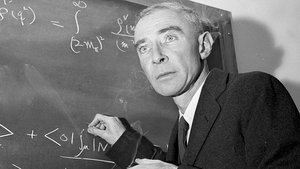
To End All War: Oppenheimer & the Atomic Bomb
Explore how one man's relentless drive and invention of the atomic bomb changed the nature of war forever, led to the deaths of hundreds of thousands of people and unleashed mass hysteria.
2023
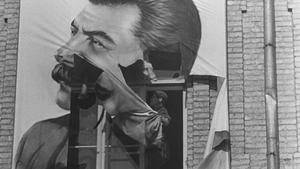
Babi Yar. Context
Nazi troops massacre 30,000 Jews over a three-day period in September 1941. Babyn Yar ravine in Kyiv, Ukraine.
2021
My Lovely Grandma
If your family photographs could speak, what stories would they share? Interweaving interviews with family artefacts, 'My Lovely Grandma' is an exploration of my maternal family history from the perspective of Molly and the woman she was before she became my lovely grandma.
2020
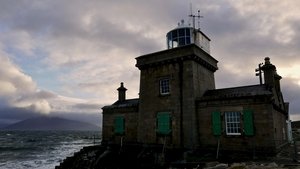
Storm Front in Mayo
Ireland, June 1944. The crucial decision about the right time to start Operation Overlord on D-Day comes to depend on the readings taken by Maureen Flavin, a young girl who works at a post office, used as a weather station, in Blacksod, in County Mayo, the westernmost promontory of Europe, far from the many lands devastated by the iron storms of World War II.
2019
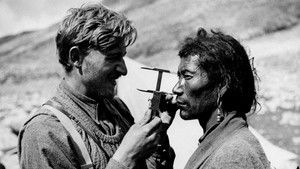
Hitler's Evil Science
In 1935, German scientists dug for bones; in 1943, they murdered to get them. How the German scientific community supported Nazism, distorted history to legitimize a hideous system and was an accomplice to its unspeakable crimes. The story of the Ahnenerbe, a sinister organization created to rewrite the obscure origins of a nation.
2019

Naples '44
A British Intelligence Officer in Naples at the end of World War II: Norman Lewis's acknowledged masterpiece about a war-torn city and its unforgettable humanity.
2016
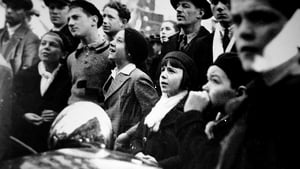
Dora Maar in Spite of Picasso
Dora Maar, a world-class photographer who began her artistic career in the French Surrealist scene of the 30s, lived in the shadow of Spanish painter Pablo Picasso, her lover between 1935 and 1943, with whom she maintained a chaotic, even violent, relationship. Fortunately, she survived Picasso's abusive behavior and its sequels to find a new path, the best one, the one that is worth to be told, in spite of Picasso.
2014
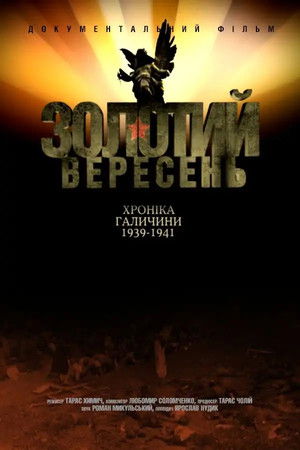
Golden September. The Chronicle of Galicia 1939-1941
The film tells the story of the events in Western Ukraine before the outbreak of World War II, the rise of Soviet rule, changes in borders, and the disappearance of entire states from the world map. The film is based on archival documents, materials and memoirs of witnesses, representatives of the Ukrainian, Polish and Jewish peoples of pre-war Galicia.
2010
“May Your Memory Be Love“ - The Story of Ovadia Baruch
In March 1943, twenty-year-old Ovadia Baruch was deported together with his family from Greece to Auschwitz-Birkenau. Upon arrival, his extended family was sent to the gas chambers. Ovadia struggled to survive until his liberation from the Mauthausen concentration camp in May 1945. While in Auschwitz, Ovadia met Aliza Tzarfati, a young Jewish woman from his hometown, and the two developed a loving relationship despite inhuman conditions. This film depicts their remarkable, touching story of love and survival in Auschwitz, a miraculous meeting after the Holocaust and the home they built together in Israel. This film is part of the "Witnesses and Education" project, a joint production of the International School for Holocaust Studies and the Multimedia Center of the Hebrew University of Jerusalem. In this series, survivors recount their life stores - before, during and after the Holocaust. Each title is filmed on location, where the events originally transpired.
2008
Hitler's Forgotten Victims
The story of black and mixed race people in Nazi Germany who were sterilised, experimented upon, tortured and exterminated in the Nazi concentration camps. It also explores the history of German racism and examines the treatment of Black prisoners-of-war. The film uses interviews with survivors and their families as well as archival material to document the Black German Holocaust experience.
1997
Evolving Concern: Protection for Human Subjects
This short film recounts efforts in the 20th century to develop programs and procedures that protect human subjects of research. Citing selected historical events in behavioral and biomedical research, it shows how protections such as institutional review boards (IRBs) came about in the United States, and why they were needed.
1986
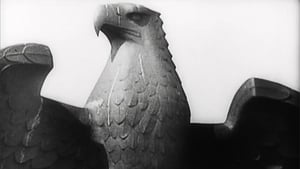
In the Land of Eagles and Crosses
In this documentary, Joachim Hellwig uses partly unpublished footage to shed light on a dark chapter of German history and shows the entanglements between the politicians' claims to power and the interests of industry and business in Germany from the beginning of the First World War to the end of the Second World War (1914 to 1945). The Nuremberg War Crimes and Industrial Trials served as the basis for this documentary.
1981
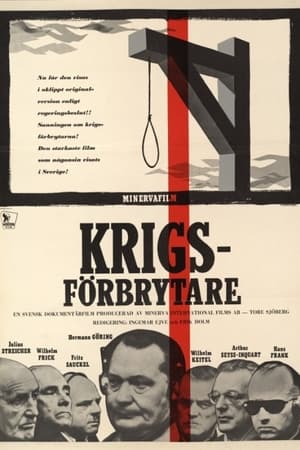
Secrets of the Nazi Criminals
Documents the major trial of the Nazi war criminals and the violent acts that they were accused of.
1963
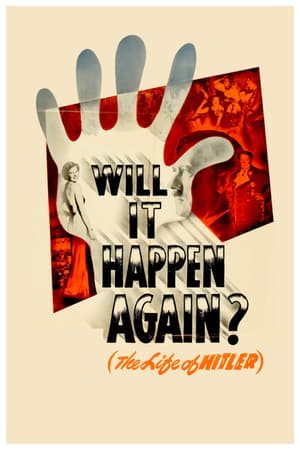
Will It Happen Again?
An account of Adolf Hitler's rise and fall, his relationship with Eva Braun and their days of leisure at the Berghof, their Bavarian residence.
1948
Development of the English Town
A brisk visual summary of the changing faces of the English town throughout the ages, from the ancients and their hill-forts to the Second World War -- enlivened by the appearance of ghostly denizens to defend their eras against the narrator's various strictures!
1943