Watch My Life in China (2014) Online Free
In America, everyone has a family story of immigration. Every family, at some point, has had somebody leave their native country behind to search for a better life. How did they hold onto their identity? How did they adapt to their new life? Every family has a special story. In my case, it's my Chinese-American story. My father would always tell us his story about walking for 7 days and 6 nights, before swimming for 4 hours to Macau to escape communism in 1966. His story would fall on my deaf ears until I returned to China with him.
Cast
Yau King Eng
More Like This
Es gibt kein zurück
The documentary film "There is no turning back" by Stéphane Kleeb tells the story of the Tibetan siblings Losang and Dechen Barshee, who came to Switzerland as refugee children in 1964. After a difficult childhood in various foster families, they return to Tibet with their mother 40 years later. This journey confronts them with the alienation from their mother and their changed homeland. The film addresses homelessness, uprooting and lost dreams.
2024

The Other Days
The moment the children left, the wind still blew across the rice fields, the river still flowed and time still passed. The parents continued their daily lives.
2024

The Dawn is Too Far: Stories of Iranian-American Life
The Dawn is Too Far: Stories of Iranian-American Life poetically narrates the story of a community of Iranian Americans who have made the San Francisco Bay Area their home over the past five decades. The film explores Iranian immigration through turbulent histories of dissent, revolution, war, and separation, and the reinvention of identity in a new land and culture. The Dawn is Too Far highlights how Iranian students, activists, and artists have navigated displacement while drawing on and influencing Bay Area culture. This community offers a more nuanced story of the Iranian diaspora—the ways that this community enriches the region where they live, work, and build families. The Dawn is Too Far undermines the tired and overplayed news headlines that are dominated by narratives of enmity and mistrust between the government of Iran and the U.S., to offer a more humane understanding of the how people's lives and the sacrifices they make are part of the larger story of immigration.
2024
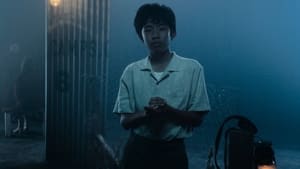
Enemy Alien
A poetic retelling of the experiences of Joseph Murakami, a fourteen-year-old boy from Darwin, who is summarily rounded up and interned by his government on the basis of his ethnicity, leaving wounds unhealed to this day.
2022

About the Memoirs of a House
The life of a couple is observed through the home they have left behind.
2022
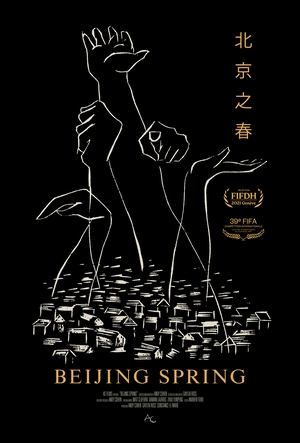
Beijing Spring
The documentary film of the brief window of artistic freedom and democracy movement 1978 - 1982 following China's brutal cultural revolution.
2021

Mama Rosa
Rosa is from Croatia and lives in Switzerland, with her husband who depends on her care. She takes care of everything. Her children have grown up and want to leave home. Rosa stays behind alone.
2019
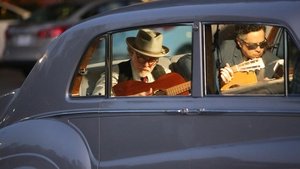
The King
A cultural portrait of the American dream at a critical time in the nation’s history. Set against the 2016 American election, The King takes a musical road trip across the country in Elvis Presley's 1963 Rolls Royce.
2018
Portrait of a Wind-up Maker
Chema is an expat architect from Spain who lives in Amsterdam. He has built up a new life there as a wind-up toy maker. He creates small pieces of art from recycle items.
2015

Sum 41: Don't Try This at Home
The making-of documentary of the fifth studio album by Canadian punk band Sum 41, "Screaming Bloody Murder".
2011
W milczeniu
Until now, they have stood on the sidelines. They have not appeared before the cameras. They have not taken part in public discussion. It is mainly to them that the documentary film by the well-known journalist Ewa Ewart was devoted. It shows the face of the Smolensk catastrophe through the eyes of the victims' families. April 10, 2010 went down in the memory of Poles as a day of national drama. But for the characters in the film, it was the day of their greatest personal drama. Along with the presidential couple, their loved ones passed away in shocking circumstances. For most, the time passing since the Smolensk catastrophe does not bring relief. Ewa Ewart and her film crew accompany the families at various stages of their struggle with difficult emotions. The film is in the process of being made and will include sequences and stills that have not been used anywhere before.
2011
Brazillians Like Me
The encounter with a growing, and mostly undocumented, brazilian community allows us to bear witness to its energy, its vivacity, and its diversity. This film attempts to work for a larger acceptance of foreigners in their land of exile.
2008

Blood and Water
When the 2004 tsunami hit the coast of Sri Lanka, 65-year-old Anton Ambrose's wife and daughter were killed. "In five minutes," he says, "I lost everything." A year later, Anton returns to Sri Lanka. With him is his nephew, award-winning filmmaker Rohan Fernando. A Tamil, Anton moved to California in the 1970s and became a very successful gynecologist. His daughter, Orlantha, made the opposite journey, returning to Sri Lanka where she ran a non-profit group that gave underprivileged children free violin lessons. Blood and Water is the story of one man's search for meaning in the face of overwhelming loss, but it is also filled with improbable characters, unintentional comedy and situational ironies.
2007
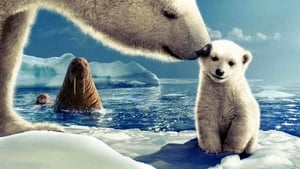
Arctic Tale
Arctic Tale is a 2007 documentary film from the National Geographic Society about the life cycle of a walrus and her calf, and a polar bear and her cubs, in a similar vein to the 2005 hit production March of the Penguins, also from National Geographic.
2007
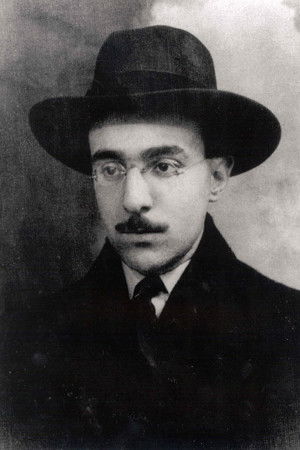
Fernando Pessoa
The documentary about the life of Fernando Pessoa, defended by journalist Clara Ferreira Alves, underlines how, in just 30 years, Fernando Pessoa built an immense body of work, of astonishing quality and all of this while being nothing more than an anonymous office worker all his life.
2007
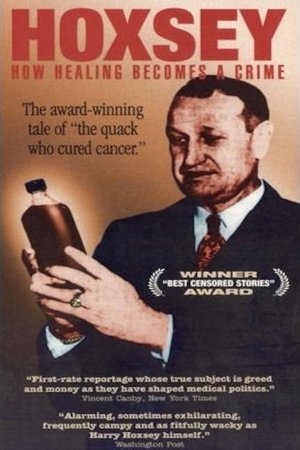
Hoxsey: When Healing Becomes a Crime
In the 1920s, former coal miner Harry Hoxsey claimed to have an herbal cure for cancer. Although scoffed at and ultimately banned by the medical establishment, by the 1950s, Hoxsey's formula had been used to treat thousands of patients, who testified to its efficacy. Was Hoxsey's recipe the work of a snake-oil charlatan or a legitimate treatment? Ken Ausubel directs this keen look into the forces that shape the policies of organized medicine.
2005
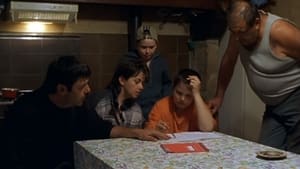
To Be and to Have
The documentary's title translates as "to be and to have", the two auxiliary verbs in the French language. It is about a primary school in the commune of Saint-Étienne-sur-Usson, Puy-de-Dôme, France, the population of which is just over 200. The school has one small class of mixed ages (from four to twelve years), with a dedicated teacher, Georges Lopez, who shows patience and respect for the children as we follow their story through a single school year.
2002

Peter Lorre: The Master of Menace
Documentary overview of Peter Lorre's ascension to fame as a master purveyor of silky but disquieting peril.
1996
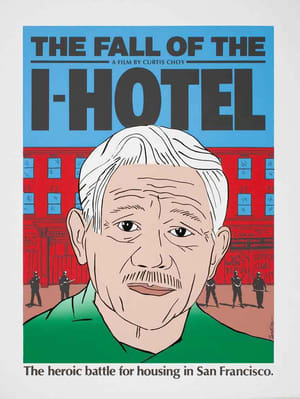
The Fall of the I-Hotel
The Fall of the I-Hotel brings to life the battle for housing in San Francisco. The brutal eviction of the International Hotel's tenants culminated a decade of spirited resistance to the razing of Manilatown. The Fall of the I-Hotel works on several levels. It not only documents the struggle to save the I-Hotel, but also gives an overview of Filipino American history.
1983
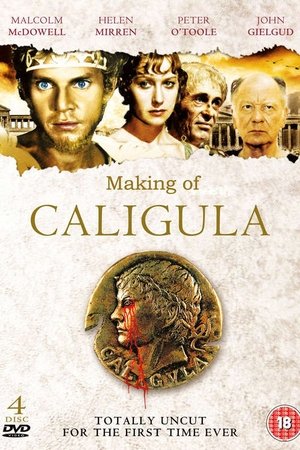
A Documentary on the Making of 'Gore Vidal's Caligula'
A Documentary on the Making of 'Gore Vidal's Caligula'
1981