Watch Monsieur Mayonnaise (2016) Online Free
Artist and filmmaker Philippe Mora (Mad Dog Morgan; The Howling II; Swastika) is producing a graphic novel about his late father, Georges, widely known in Melbourne as a beloved contemporary art patron and owner of bohemian eateries Mirka Café, Café Balzac and the Tolarno Restaurant and Galleries. Less known, however, is Georges' astonishing history as part of the French resistance during World War II, his friendship with renowned mime Marcel Marceau (Philippe's godfather), and how together they saved thousands of Jewish lives with a fiendishly simple trick involving baguettes and mayonnaise.
Cast
Philippe Mora
More Like This
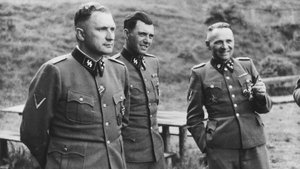
Bullets And Blueberries
The Holocaust began with the indiscriminate mass shootings by the Einsatzgruppen in the bloodlands of Eastern Europe and was perfected in the gas chambers at Auschwitz. “Bullets And Blueberries” explores the motives, methods and madness of the perpetrators, using never-before-seen images captured by the killers themselves — images that fully capture the banality of evil.
2025
David Hockney: A Celebration
An intimate portrait of David Hockney, featuring interviews with the artist - one of Britain's most beloved painters - in London and Normandy, and exclusive new footage of a master at work.
2023
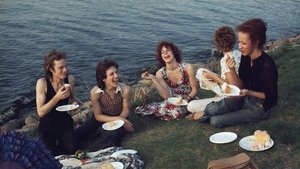
All the Beauty and the Bloodshed
The life of internationally renowned artist and activist Nan Goldin is told through her slideshows, intimate interviews, ground-breaking photography, and rare footage of her personal fight to hold the Sackler family accountable for the overdose crisis.
2022
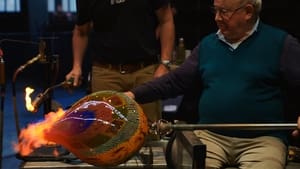
Lino Tagliapietra: The Making of a Maestro
Lino Tagliapietra, considered by most as the greatest glassblower in history, is a mentor, motivator, and visionary. Bridging the divide between Italian and American glassblowing, Lino's career has transcended continents and inspired a new generation of glassblowers. Now 85, Lino continues to push the boundaries of the medium, testing the limits to see what both the material and the man can do.
2020
What Has Been Lost
My mother has died. Her name was Maria. Her children, we, Raúl and Santiago, discover among the objects left by our mother hundreds of photographs from our maternal grandfather, from REGINA -our great-aunt-, from our mother, from our father... And through those photographs, and with the help from an old camera -my grandfather's inheritance-, I, -along several trips to the places where those photographs were taken-, seek to recover and not lose my memory... that of my family. In the end, we will have to think on our memory and on what we have preserved and lost.
2020
Laerte-se
In this film, Laerte conjugates the body in the feminine, and scrutinizes concepts and prejudices. Not in search of an identity, but in search of un-identities. Laerte creates and sends creatures to face reality in the fictional world of comic strips as a vanguard of the self. And, on the streets, the one who becomes the fiction of a real character. Laerte, of all the bodies, and of none, complicates all binaries. In following Laerte, this documentary chooses to clothe the nudity beyond the skin we inhabit.
2017
Qipisa
The director goes back to her roots in Pangnirtung, amongst her family and community. It leads her to another journey: to Qipisa, the outpost camp from where they were uprooted.
2017
The Original Richard McMahan
The multi-talented outsider artist Richard McMahan is on a quest to painstakingly re-create thousands of famous and not-so-famous paintings and artifacts–in miniature.
2016
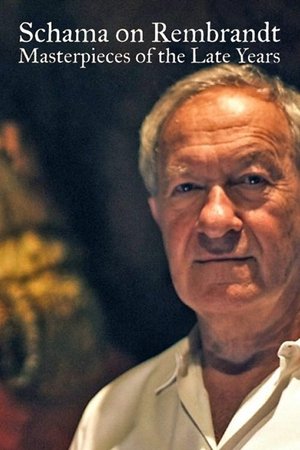
Schama on Rembrandt: Masterpieces of the Late Years
Simon Schama explains the style, theme and concept of Rembrandt's late masterpieces.
2014
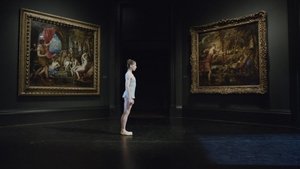
National Gallery
A portrait of the day-to-day operations of the National Gallery of London, that reveals the role of the employees and the experiences of the Gallery's visitors. The film portrays the role of the curators and conservators; the education, scientific, and conservation departments; and the audience of all kinds of people who come to experience it.
2014
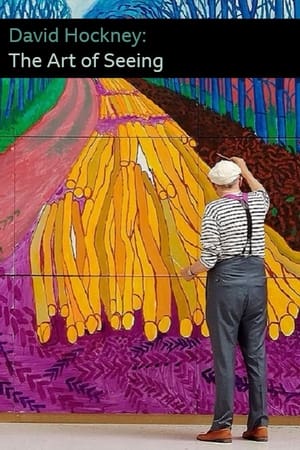
David Hockney: The Art of Seeing
Andrew Marr interviews David Hockney about his exhibition A Bigger Picture at the Royal Academy, made up of works depicting the landscape of his native Yorkshire.
2012
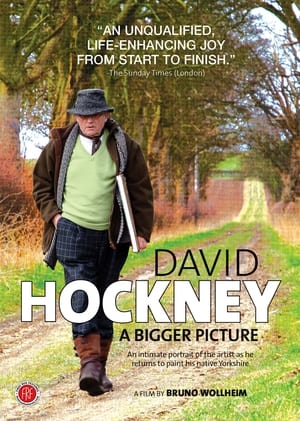
David Hockney: A Bigger Picture
Filmed over three years, the documentary is an unprecedented record of a major artist at work. It captures David Hockney's return to England after 25 years in California. As he approaches the age of 70, he decides to re-invent his painting from scratch, working through the seasons and in all weathers out in the Yorkshire countryside - ending up with the largest picture ever made outdoors. It is at once the story of a homecoming and an intimate portrait of what inspires and motivates today's greatest living British-born artist as time runs out. Winner of Best Essay award at the International Festival for Films on Art in Montreal and nominated Best Arts Documentary by the Grierson and International Emmy Awards. Premiered on BBC1, the documentary appears in a special extended 60' version.
2009
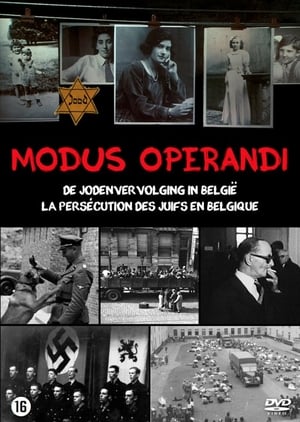
Modus Operandi
Between 1942 and 1944 some 24,916 Jews were deported from Belgium to Auschwitz. The roundups and deportations were organized and carried out by the Nazis with the - not always conscious - cooperation of Belgian authorities. The attitude of the authorities here varied from outright resistance to voluntary or unwitting collaboration.
2008
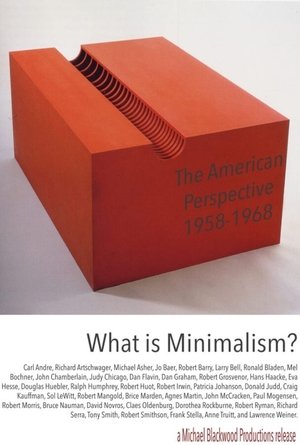
What is Minimalism? : The American Perspective 1958-1968
Featuring notable Minimalist artists such as Bride Marden, Claes Oldenburg, and Donald Judd, What is Minimalism: The American Perspective 1958-1968 explores the movement during an explorative exhibit at the Museum of Contemporary Arts in Los Angeles. Exhibition curator, Ann Goldstein, walks us through multiple rooms of the exhibit and offers her insight on Minimalism and its role in our society, stating that "It marked a fundamental, and critical and pivotal and irrevocable change in the course of art history," (Ann Goldstein). This film observes and analyzes the compelling creative choices behind some of the featured artists most applauded works of art.
2004
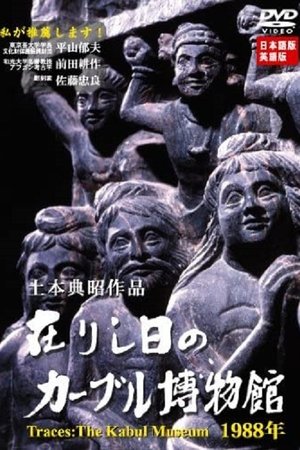
Traces: The Kabul Museum 1988
The Kabul National Museum, once known as the "face of Afghanistan," was destroyed in 1993. We filmed the most important cultural treasures of the still-intact museum in 1988: ancient Greco-Roman art and antiquitied of Hellenistic civilization, as well as Buddhist sculpture that was said to have mythology--the art of Gandhara, Bamiyan, and Shotorak among them. After the fall of the Democratic Republic of Afghanistan in 1992, some seventy percent of the contents of the museum was destroyed, stolen, or smuggled overseas to Japan and other countries. The movement to return these items is also touched upon. The footage in this video represents that only film documentation of the Kabul Museum ever made.
2003
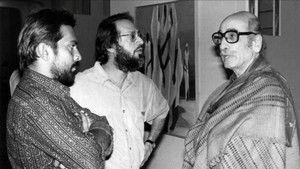
Colours of Absence
The film documents the life and art of painter Jehangir Sabavala, capturing the intricate relationship between the artist’s vision and his environment. Khopkar describes the challenges of conveying Sabavala’s creative spirit through film, emphasizing the need to engage with the subtleties of colour, light, and composition.
1993
Baraka
A paralysingly beautiful documentary with a global vision—an odyssey through landscape and time—that attempts to capture the essence of life.
1992
Łódź Ghetto
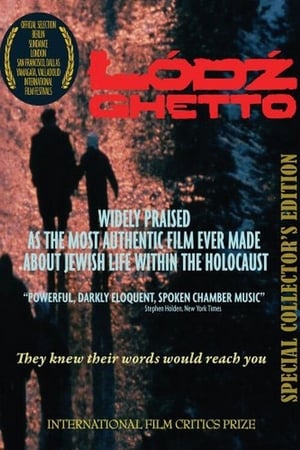
The Polish city of Łódź was under Nazi occupation for nearly the entirety of WWII. The segregation of the Jewish population into the ghetto, and the subsequent horrors are vividly chronicled via newsreels and photographs. The narration is taken almost entirely from journals and diaries of those who lived–and died–through the course of the occupation, with the number of different narrators diminishing as the film progresses, symbolic of the death of each narrator.
1989
Raoul Wallenberg: Buried Alive
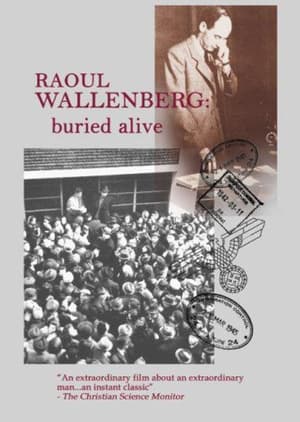
A profile of Swedish diplomat Raoul Wallenberg, the film covers his role in saving the lives of Jewish refugees from the Holocaust, as well as exploring the evidence that he may still have been alive in a Soviet gulag as late as the early 1980s.
1983
The World of Lygia Clark
Artistic experimental documentary short that explores the universe of Brazilian artist Lygia Clark. Sensorial experiences, the perception of the body, forms and tactile sensations are mixed and reflect the human race as part of the cosmos, getting lost to find itself. Art, stripped of its virtuous image, as an action of the common human being, the expression of living things, runs from the mechanical repetition of movements and attitudes.
1973