Watch Monologue (2023) Online Free
Sivan Encü, a young Kurdish man, provided for his family by "smuggling" through the Turkish-Iraqi border. When he was murdered in the 2011 Robozik (Roboski) Massacre, the responsibility of family's welfare was taken over by his younger brother Sinan, who lost his life in an unfortunate accident. This is the story of their grief-stricken mother Heyam and her resilience. Alongside Heyam's struggle, the film brings the voices of Robozik elders and notables to the forefront, who have experienced first-hand the social, political and economic dimensions of smuggling, which has been the backbone of survival for the locals for many generations.
Cast
Heyam Encü
More Like This
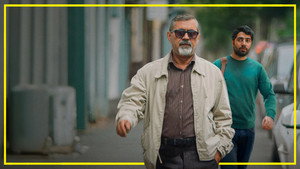
My Uncle Jens
Akam, a young literature teacher, lives a comfortable life in Oslo until his estranged uncle from the Iranian part of Kurdistan comes for a surprise visit. Despite limited space in his shared flat with friends, Akam feels obligated to invite his uncle to stay for a few days. However, his uncle quickly makes himself at home and shows no sign of leaving anytime soon. Torn between his sense of familial duty and growing tension in the flat, Akam begins to suspect there's more to his uncle's visit than just a casual trip. What follows is a series of revelations and unexpected events that could have life changing consequences for them both.
2025

detours while speaking of monsters
Here, where even monsters are political, the topography has its own memory. It has the mythological blues. Meanwhile, old gods are upset with us, and I am upset with my father.
2024
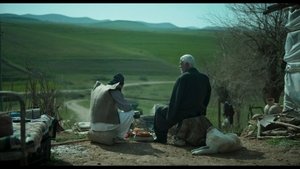
1988
In the winter of 1988, in the depths of the Iraq/Iran war, the border town of Halabja was attacked by chemical weapons with all its people and their different stories.
2023
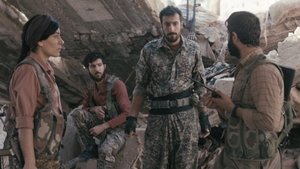
Kobane
Despite being outnumbered and outgunned, a female Kurdish fighter guides her fellow fighters in the resistance to defend their city, Kobanê, from the deadly threat of ISIS. A real story of war, sacrifice, love and hope that kept the whole world on tenterhooks.
2022
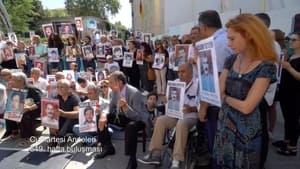
Incomplete Sentences
Aslı Erdoğan, world-renowned author and activist, has fallen into silence after she fled to Germany. Incomplete Sentences is a feature documentary on her literature and life, leading to exile in Frankfurt, after the Turkish regime’s oppression results in her unlawful imprisonment. Now, she struggles in exile while everybody is waiting for her to write again. Right after getting out of prison Aslı starts telling her story to the director, wandering in the streets of Istanbul she recites parts from her books and explains the stories behind. When Aslı goes to Germany to receive the Erich Maria Remarque Award she cannot return; thus her exile, which she likens to a semi-open prison, begins. As her health deteriorates and keeps her from writing, the tragedy in her books becomes her own reality.
2022
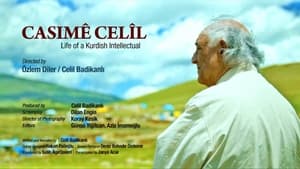
Jiyana Rewsenbireki Kurd: Casimê Celîl
Casimê Celîl was born into a Yezidi Kurdish family in 1908, in a village called Kızılkule, located in Digor, Kars. The village and family life, which he longed to remember throughout his life, ends with the massacre they endured in 1918. During his long road to Erivan, Armenia, he lost all his family members. Left all alone, Casim was placed into an orphanage and was forced to change his name. To remember who he was and where he came from, every morning he repeated the mantra “Navê min Casim e, Ez kurê Celîlim, Ez ji gundê Qizilquleyê Dîgorê me, Ez Kurdim, Kurdê Êzîdî me”, which translates to: “My name is Casim, I am the son of Celîl, I come from the village of Kızılkule in Digor, I am a Kurd, and I am Yezidi”. He clings to every piece of his culture he can find, reads, and saves whatever Kurdish literature or art he comes across. As the year’s pass, Casim finds himself with an impressive collection of Kurdish culture and history.
2021
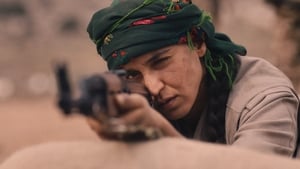
Sisters Apart
Rojda, a native of Iraqi Kurdistan and a soldier in the German army, travels to a refugee camp in Greece where she manages to meet her mother, who has bad news about her sister Dilan.
2021

The Many Lives of Kojin
In a first-person documentary, Diako Yazdani, a political refugee in France, returns to see his family in Iraqi Kurdistan and introduces them to a 23-year-old gay man from Kojin who seeks to exist in a society where he seems unable to find its place. With humor and poetry, the director delivers a moving portrait where the meetings of each other invite to a universal reflection on the difference.
2020
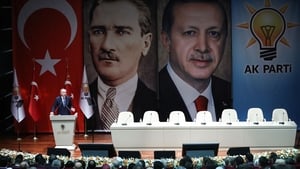
From Atatürk to Erdoğan: Building a Nation
Turkey's history has been shaped by two major political figures: Mustafa Kemal (1881-1934), known as Atatürk, the Father of the Turks, founder of the modern state, and the current president Recep Tayyıp Erdoğan, who apparently wants Turkey to regain the political and military pre-eminence it had as an empire under the Ottoman dynasty.
2019
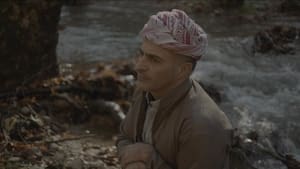
Sidik and the Panther
If Sidik manages to spot a leopard in his beloved mountains of Kurdistan, the area can be declared a protected nature reserve. Will that finally bring peace?
2019
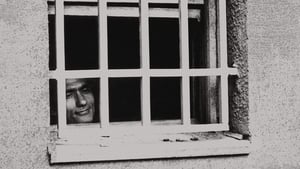
The Legend of the Ugly King
Director Hüseyin Tabak explores the legacy of Yilmaz Güney — political dissident, convicted murderer, and visionary Kurdish filmmaker — who directed the 1982 Palme d'Or–winning Yol from inside prison and died in exile just two years later.
2017
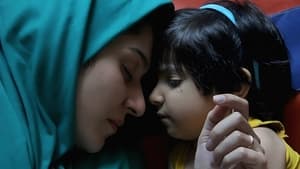
Pale Mirrors
Shobo is a young woman who is in a misery situation for having a child, a decision that has a particular impact on her life and her people.
2016
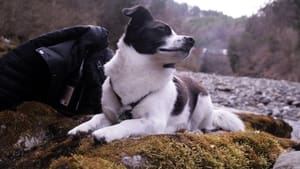
Refugee Poetry
The Kurdish Iraqi poet and actor Zeravan Khalil travels with his dog through an Alpine gorge after fleeing from IS war and genocide. As he remembers the abomination, he writes a poem with the title “You drive me mad” in Kurmanji Kurdish. In his home country, Yazidic Kurds are forbidden to work in his profession. Then he eats his apple and wanders through Europe’s middle with more hope.
2016
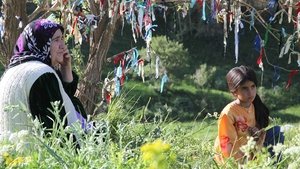
Come to My Voice
In a snowy Kurdish mountain village, in the east of Turkey, an old woman Berfé and her granddaughter Jiyan are distressed. The only man in the household, Temo, the son of one and the father of the other, was arrested by the Turkish military. The commanding officer has been told that the villagers are hiding weapons, so he arrested all the men and announced that they will be kept in prison until their families hand over the weapons. The problem is that there are no weapons in the village. Desperate, Berfé and Jiyan embark on a long journey, in search of a gun which they could exchange for their beloved Temo. Will the old woman and her innocent granddaughter find a way out of the inextricable Kurdish identity conflict?
2014
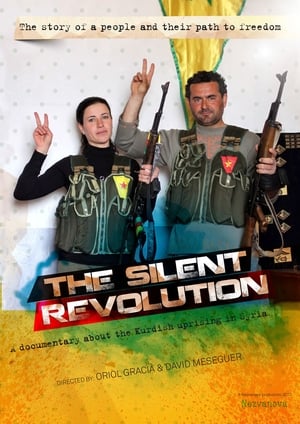
The Silent Revolution
The documentary The Silent Revolution explains the revolution involving nearly 3 million kurds living in Syria. With the outbreak of the civil war —in the frame of the called ‘Arab Spring'— the Kurds of Syria have taken advantage of the context to fight for their political and cultural recognition and thus end the repression that started more than 50 years ago.
2013
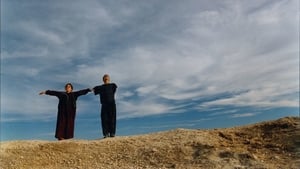
Turtles Can Fly
Turtles Can Fly tells the story of a group of young children near the Turkey-Iraq border. They clean up mines and wait for the Saddam regime to fall.
2004
Leyla Zana, le cri au-delà de la voix étouffée
Leyla Zana, the first woman Kurdish MP to be elected to the Turkish Parliament in 1992, was impisoned in 1994 for 15 years for speaking in Kurdish in the Parliament. Kudret Gunes' personal look at the life of Zana takes her to her birth-place, friends and exiled husband.
2002
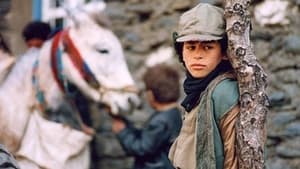
A Time for Drunken Horses
After their father dies, a family of five children are forced to survive on their own in a Kurdish village on the border of Iran and Iraq.
2000
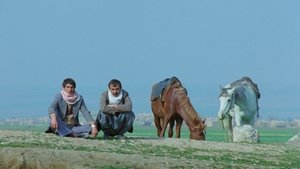
The Road
When five Kurdish prisoners are granted one week's home leave, they find to their dismay that they face continued oppression outside of prison from their families, the culture, and the government.
1982
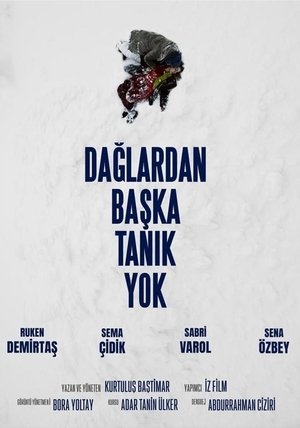
No Witness but the Mountains
The film is set in a small, snow-covered mountain village in Kurdistan. We follow a young woman, Helin, who wants to discover her family history. She lives with her mother, Susika, who has not spoken since her husband was arrested and imprisoned by the Turkish authorities. She cannot write or read either. Helin wants nothing more than to find out the story of her father. It is a story of how political oppression of a people and culture impacts that community, how it silences people, and about human resilience. Keeping a culture alive is a form of resistance.