Watch Migration (1969) Online Free
"Whereas SQUARE INCH FIELD was composed largely in the camera, Rimmer's next film, MIGRATION, made full use of rear-projection rephotography, stop-framing, and slow motion. The migration of the title is interpreted as the flight of a ghost bird through aeons of space/time, through the micro-macro universe, through a myriad of complex realities. A seagull is seen flying gracefully in slow motion against a grainy green sky; suddenly the frame stops, warps and burns, as though caught in the gate of the projector. Now begins an alternation of fast and slow sequences in which the bird flies through time-lapse clouds and fog and, in a stroboscopic crescendo, hurtles into the sun's corona. Successive movements of the film develop rhythmic, organic counterpoints in which cosmic transformations send jelly fish into the sky and ocean waves into the sun." - Gene Youngblood. Preserved by the Academy Film Archive in 2014.
More Like This
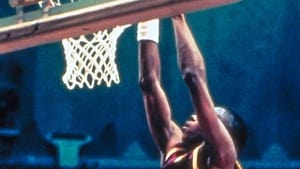
Hoop Dreams
Every school day, African-American teenagers William Gates and Arthur Agee travel 90 minutes each way from inner-city Chicago to St. Joseph High School in Westchester, Illinois, a predominately white suburban school well-known for the excellence of its basketball program. Gates and Agee dream of NBA stardom, and with the support of their close-knit families, they battle the social and physical obstacles that stand in their way. This acclaimed documentary was shot over the course of five years.
1994

No No Nooky T.V.
NO NO NOOKY TV posits sexuality to be a social construct in a "sex-text" of satiric graphic representation of "dirty pictures." Made on an Amiga Computer and shot in 16mm film, NO NO NOOKY TV confronts the feminist controversy around sexuality with electronic language, pixels and interface. Even the monitor is eroticized in this film/video hybrid that points fun at romance, sexuality, and love in our post-industrial age. Preserved by the Academy Film Archive in 2017.
1987
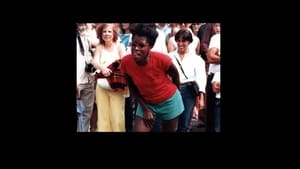
I Be Done Been Was Is
A documentary about four African-American comediennes set in 1984. Restored in 2021 by the Academy Film Archive.
1983
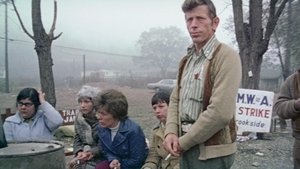
Harlan County U.S.A.
This film documents the coal miners' strike against the Brookside Mine of the Eastover Mining Company in Harlan County, Kentucky in June, 1973. Eastover's refusal to sign a contract (when the miners joined with the United Mine Workers of America) led to the strike, which lasted more than a year and included violent battles between gun-toting company thugs/scabs and the picketing miners and their supportive women-folk. Director Barbara Kopple puts the strike into perspective by giving us some background on the historical plight of the miners and some history of the UMWA. Preserved by the Academy Film Archive in partnership with New York Women in Film & Television in 2004.
1977
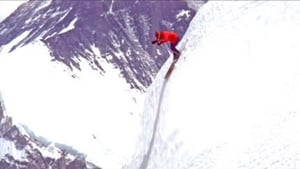
The Man Who Skied Down Everest
This Oscar-winning documentary tells the story behind Japanese daredevil Yuichiro Miura's 1970 effort to ski down the world's tallest mountain.
1975
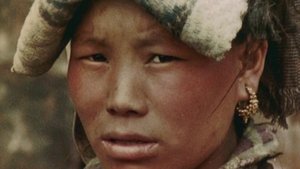
Sikkim
Satyajit Ray's poetic documentary was commissioned by the Chogyal (King) of Sikkim at a time when he felt the sovereignty of Sikkim was under threat from both China and India. Ray's documentary is about the sovereignty of Sikkim. The film was banned by the government of India when Sikkim merged with India in 1975. The ban was finally lifted by the Ministry of External Affairs in September 2010. Preserved by the Academy Film Archive in 2007.
1971
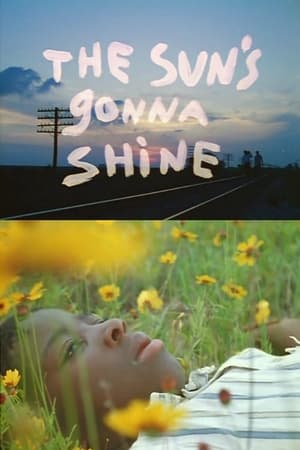
The Sun's Gonna Shine
A lyrical recreation of Lightnin’ Hopkins’ decision at age eight to stop chopping cotton and start singing for a living. Preserved by the Academy Film Archive in 2013.
1969
Boy and Crows
An early short film by Penelope Spheeris about a boy enjoying the age-old pleasures of making a wish on a dandelion. Preserved by the Academy Film Archive in 2016.
1968
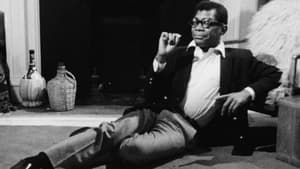
Portrait of Jason
Interview with Jason Holliday aka Aaron Payne. House-boy, would-be cabaret performer, and self-proclaimed hustler giving one man's gin-soaked, pill-popped view of what it was like to be black and gay in 1960s United States. Preserved by the Academy Film Archive in partnership with Milestone Films in 2013.
1967

Shoppers Market
UCLA Student Color Film. "a documentary film of marked lyrical and experimental tendency which was photographed and recorded in a L.A. supermarket. It consists of five sequences: 1) description of people 2) Comedy 3) choreographing natural movements 4) transformation fo visual reality 5) empathy". Preserved by the Academy Film Archive in 2011. Filmed at Shopper's Market, Santa Monica, CA.
1963
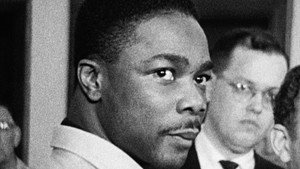
The Chair
Follows a crusading lawyer as he embarks on a campaign to save an African-American man, Paul Crump, from the electric chair. Preserved by the Academy Film Archive in partnership with The Film Foundation in 2007.
1963
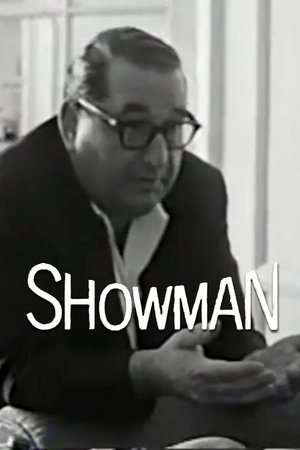
Showman
Albert and David Maysles (Gimme Shelter) directed this 53-minute documentary about movie tycoon Joseph E. Levine (1963).
1963
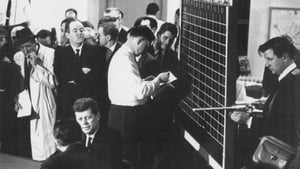
Primary
Primary is a documentary film about the primary elections between John F. Kennedy and Hubert Humphrey in 1960. Primary is the first documentary to use light equipment in order to follow their subjects in a more intimate filmmaking style. This unconventional way of filming created a new look for documentary films where the camera’s lens was right in the middle of what ever drama was occurring. Preserved by the Academy Film Archive in partnership with The Film Foundation in 1998.
1960

The Wormwood Star
A portrait of artist, actress, poet and occultist Marjorie Cameron, it shows images of her paintings and recitations of her poems. Preserved by the Academy Film Archive in 2006.
1956
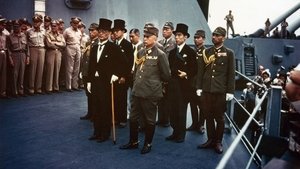
Appointment in Tokyo
Produced by the Army Pictorial Service, Signal Corps, with the cooperation of the Army Air Forces and the United States Navy, and released by Warner Bros. for the War Activities Committee shortly after the surrender of Japan. Follow General Douglas MacArthur and his men from their exile from the Philippines in early 1942, through the signing of the instrument of surrender on the USS Missouri on September 1, 1945. Preserved by the Academy Film Archive in 2013.
1945
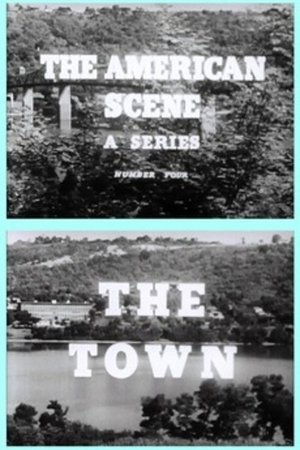
The Town
The Town was a short propaganda film produced by the Office of War Information in 1945. It presents an idealized vision of American life, shown in microcosm by Madison, Indiana. It was created primarily for exhibition abroad, to provide international audiences a more well-rounded view of America, and was therefore produced in more than 20 translations. Preserved by the Academy Film Archive in 2012.
1944
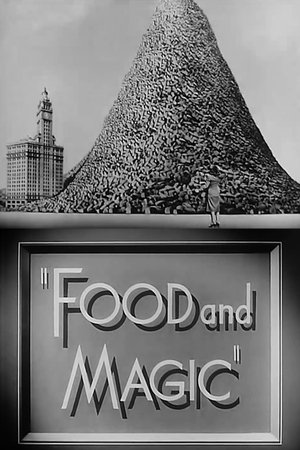
Food and Magic
A sideshow barker uses magic and visual aids to alert the public that proper food management is both a resource and a weapon that could be to America's advantage if conserved properly in winning the then current World War. Preserved by the Academy Film Archive, Academy War Film Collection, in 2008.
1943
The Battle of Midway
The Japanese attack on Midway in June 1942, filmed as it happened. Preserved by the Academy Film Archive, in partnership with Twentieth Century Fox Film Corporation, in 2006.
1942

Women Are Warriors
Highlights the increasingly important roles women occupy on the various fronts of WW II. In England, their more active jobs include ferrying planes from factory to airfield and operating anti-aircraft guns. In Russia, they are fighting on the front lines as well as acting as parachute nurses, army doctors and technicians. In Canada women have joined active service auxiliaries, and thousands labour day and night in factories turning out the tools of war. From the Canada Carries On series.
1942
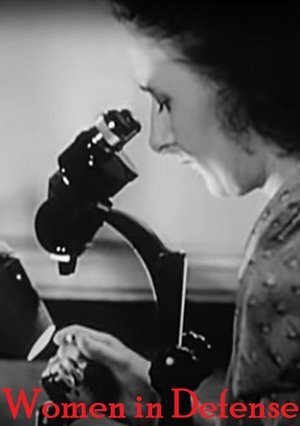
Women in Defense
Short documentary extolling the virtues and necessity for women to participate in America's preparation for war, showing women working in scientific, industrial, and voluntary-services activities. Preserved by the Academy Film Archive in 2008.
1941