Watch Message from Mungo (2014) Online Free
Lake Mungo is an ancient Pleistocene lake-bed in south-western New South Wales, and is one of the world’s richest archaeological sites. Message from Mungo focuses on the interface over the last 40 years between the scientists on one hand, and, on the other, the Indigenous communities who identify with the land and with the human remains revealed at the site. This interface has often been deeply troubled and contentious, but within the conflict and its gradual resolution lies a moving story of the progressive empowerment of the traditional custodians of the area.
Cast
Alice Kelly, Tibby Briar, Alice Bugmy, Isabel McBryde
More Like This
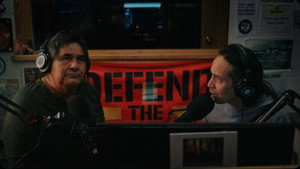
Ceremony
When the Nuxalk trace the vanished ooligan to a land claim filed the very day smallpox arrived, their radio station becomes courtroom, confessional and conjuring ground; an older law insists: the fish return when the people do.
2026
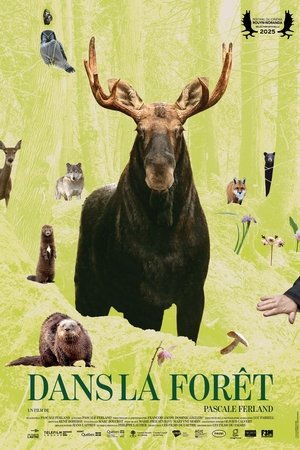
In the Forest
In the Forest is a documentary essay that explores the deep connections between humans, animals, and the forest. Through fragments of lives that intersect, echo, or contradict one another, the film gradually weaves the portrait of a rich, complex, and sometimes unsettling world where the desire to protect coexists with the drive to exploit. Moving between realism, political engagement, and dreamlike imagery, it reveals a forest that - in the face of multiplying climate upheavals and an accelerating sixth mass extinction - whispers, to those who know how to listen, the urgent need to safeguard the fragile balance between humanity, fauna, and flora.
2025
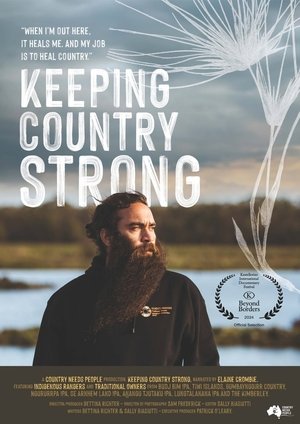
Keeping Country Strong
Keeping Country Strong is a new documentary by Country Needs People From the heart of the desert to the islands and estuaries of Sea Country, Indigenous Protected Areas span over 110 million hectares of land and sea and now cover over 54% of Australia’s reserves on land. Indigenous Rangers are on the frontline. Working in some of the most remote corners of the planet they are safeguarding endangered species, fighting wildfires and invasive species, and practising culture in the face of a changing climate. FEATURING Indigenous Rangers and Traditional Owners from Budj Bim IPA, Gaagal Wajaarr Proposed Sea Country IPA, Ngururrpa IPA, Tiwi Islands Proposed IPA, Anangu Tjutaku IPA, Lungtalanana IPA, Mayala IPA & SE Arnhem Land IPA.
2025

THE QUEST: Everest
THE QUEST: Everest is a journey to deeper understand and climb the most iconic mountain in the world, Mt. Everest, and to reveal its amazing history and culture. From experiencing Everest like never before to witnessing unique stories about one of the most remarkable places on earth, THE QUEST: Everest is a one-of-a-kind cinematic tribute to the human spirit of adventure that lives inside us all.
2024

3500 km de sentiers partagés
Sixty snowmobilers, indigenous and non-indigenous, join forces to take part in a huge snowmobiling expedition: a 3500 km journey to be completed in 16 days. The goal: to cross a large swath of Quebec to work towards reconciliation between peoples. In this choral film, which is as much a physical ordeal as a spiritual and psychological one, the participants take on the mission of raising public awareness of the issues dear to their communities. Through the challenges posed by the weather and the long daily journeys that put the group to the test, a powerful bond is forged between the participants, who face enormous adversity. A journey on the land of ancestors that reveals the strength of togetherness.
2024
Ikaartuit
During the summer of 2022, eight teenagers and young adults from Kuujjuaq, Kangiqsualujjuaq and Kangirsuk took part in a two-week kayaking adventure.
2024

Derrière chaque image, une histoire
2023
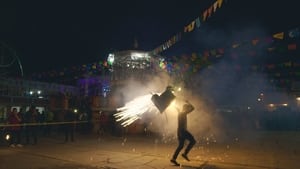
Oaxacalifornia: The Return
The Mejia family emigrated from Oaxaca to Fresno, California 40 years ago. Filmmaker Trisha ZIff filmed the family in 1996, and returns now to see the changes that have settled over them, and follows the family on their return to Mexico.
2021
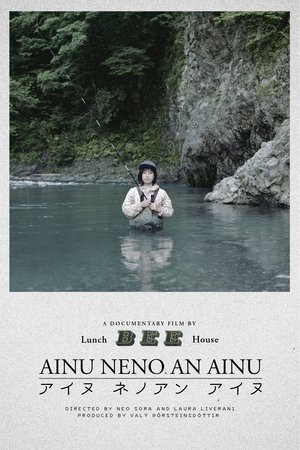
Ainu Neno An Ainu
This documentary started as part of a photography project about the indigenous Ainu population in northern Japan, portraying people from tightly knit communities. They feel deeply connected by their culture and tradition. With gorgeous pictures, the directors explore how different generations of Ainu reflect on their identity after centuries of oppression.
2021
Once upon a time... "I, Daniel Blake"
The documentary, filmed in England in autumn 2020, sheds light on the genesis and background of the social drama.
2021

Say Her Name
A short film highlighting the epidemic of missing indigenous men and women who have gone missing in Bighorn County, Montana. It features several victims' stories and interviews with their families and indigenous activists who are pushing for their cases to be re-examined and solved.
2021
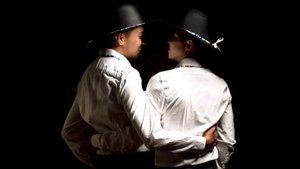
Sweetheart Dancers
Sean and Adrian, a Two-Spirit couple, are determined to rewrite the rules of Native American culture through their participation in the “Sweetheart Dance.” This celebratory contest is held at powwows across the country, primarily for heterosexual couples … until now.
2019
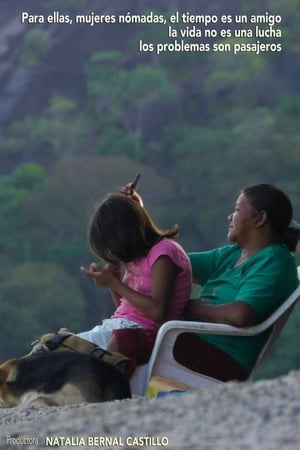
Walkers of time
María is an Amorúa girl; an indigenous group that traveled the savannas of Orinoquía as nomads. She lives with her grandmother Matilde, her sister diana and her cousins in Puerto Carreño, in the Colombia-Venezuela border. The amorúa are considered wild and are not literate. Matilde wants her granddaughters to learn to write and read to live better in this town of "rational whites" as they call us. The director follows María's life for 8 years from her childhood to her adolescence and invites her to travel the places her grandma did as a nomad.
2017
Urihi Haromatipë: Curadores da Terra-Floresta
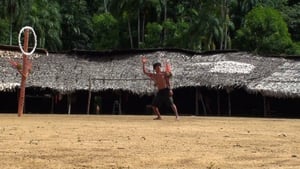
The thunder is warning, "The earth is sick." To cure it, David Kopenawa gathered in Roraima the Yanomami shamans from various regions. With the help of the spirit food, the hallucinogenic yãkoana powder, they will treat the ills caused by cities and white diseases.
2014
Rio Uruçumirim
Rescue bridge of the Tupinambá de Uruçumirim village, headquarters of the Tamoia Confederation until 1567, when it was destroyed in a genocidal operation, commanded by Portuguese led by Estácio de Sá, with the support of the Jesuits Manuel da Nóbrega and Anchieta, here founding the city of Rio de January. Testimony and contemporary point of view from Pajé Sapaim Kamayurá.
2009
Writing the Land
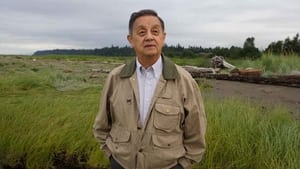
In this short documentary, a Musqueam elder rediscovers his Native language and traditions in the city of Vancouver, in the vicinity of which the Musqueam people have lived for thousands of years. Writing the Land captures the ever-changing nature of a modern city - the glass and steel towers cut against the sky, grass, trees and a sudden flash of birds in flight and the enduring power of language to shape perception and create memory.
2007
The Unconditioned Unconcealment
1974
Filhos de Macuinaíma
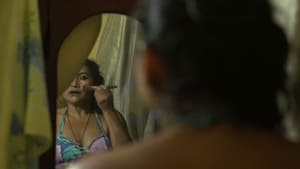
Documentary about the life of three families living in the city of Boa Vista, north of Brazil. Some of them look for a more intense daily life going to parties, work and dealing with family trouble, others want to get back to the tribe. Personal crises and the search for their own identity are aspects that reveal great relevance.
Stolen Spirits of Haida Gwaii
Filmmaker Kevin McMahon accompanies the Haida delegation on a repatriation trip to Chicago in 2003. His film reveals the whole repatriation process through the stories and experiences of the people who participated, both Museum staff and the Haida people.
2004
Rap de Saia
Rap de Saia is a documentary that reports, through the voices and rhymes of the protagonists themselves, part of the historical trajectory of Female Rap in the State of Rio de Janeiro. In addition to its historical trajectory, Rap de Saia brings a collection of themes that leads us to reflect on women in today's society.
2004