Watch Memories of Earth (2002) Online Free
Set against the unforgettable beauty of Haida Gwaii (formerly known as the Queen Charlotte Islands), Memories of Earth takes viewers on a journey guided by traces of the past. The film records the meeting of two artistic worlds: that of the Haida, an indigenous people whose cultural life and mythology bespeak their belief in a tangible link between the real and the imaginary, and that of Frédéric Back, a master of animated film and committed humanist, whose works is an appeal to respect all things created. Through the magic of animation, the documentary casts fresh light on the legends and spirituality of the Haida.
Cast
Vlasta Vrana, Jim Hart, Gidansda Guujaaw, Mabel P. Williams
More Like This
Wədzįh Nəne’ — Caribou Country
Set against the stunning backdrop of northern British Columbia’s wilderness, Wədzįh Nəne’ (Caribou Country) takes viewers on a contemplative journey through a rugged and remote landscape. Along the way, we meet those who live and work on the land – First Nations guardians, government biologists, and guide outfitters – each confronting the stark reality of declining caribou populations. This meditative film explores the profound connection between people and nature, and the enduring impacts of modernity on an ancient species.
2025
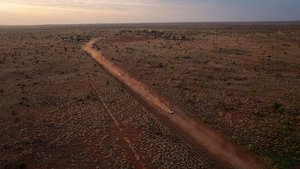
Rangers Look After the Desert 'Healthy Country'
In November 2024, two Indigenous ranger teams set out on a 1,900-kilometre journey from the remote community of Bidyadanga in Western Australia to Uluru. Their destination: the largest gathering of Indigenous desert rangers in Australia — the Indigenous Desert Alliance Conference.
2025
Host
An artist leads his Infection Procession to the water.
2024
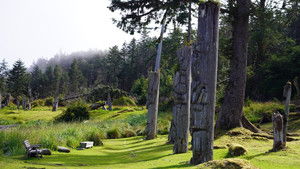
The Haida in Canada
Haida Gwaii, an archipelago off the west coast of Canada, is home to Skil Jaadee and her family. They live in harmony with nature and have made it their mission to save their language and preserve their history.
2022

The Alexander Ball
The Alexander Ball is an observational documentary extravaganza celebrating Samoan-Māori-Australian trans woman of colour, Ella Ganza, and the Meanjin (Brisbane) ballroom scene, as she and her ballroom family prepare for one of the biggest pride events of the year: The Alexander Ball.
2022
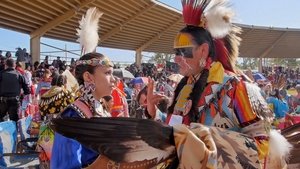
Kímmapiiyipitssini: The Meaning of Empathy
Follow filmmaker Elle-Máijá Tailfeathers as she creates an intimate portrait of her community and the impacts of the substance use and overdose epidemic. Witness the change brought by community members with substance-use disorder, first responders and medical professionals as they strive for harm reduction in the Kainai First Nation.
2021

The Mystery Mountain Project
In 1926, a young couple set off into the British Columbia wilderness in search of an undiscovered mountain. A century later a group of would-be adventurers tries to retrace their steps. They soon find they've bitten off more than they can chew and it will take everything they've got to avoid disaster.
2021
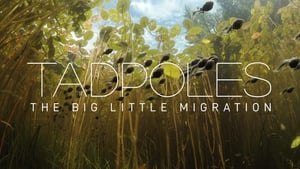
Tadpoles: The Big Little Migration
Short documentary, shot over fours years, showing the incredible daily migration of the western toad tadpoles, a designated indicator species on Vancouver Island, British Columbia.
2020
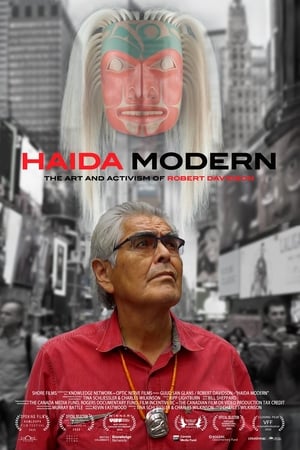
Haida Modern
In the 50 years since he carved his first totem pole, Robert Davidson has come to be regarded as one of the world’s foremost modern artists. Charles Wilkinson (Haida Gwaii: On the Edge of the World) brings his trademark inquisitiveness and craftsmanship to this revealing portrait of an unassuming living legend. Weaving together engaging interviews with the artist, his offspring, and a host of admirers, Haida Modern extols the sweeping impact of both Davidson’s artwork and the legions it’s inspired.
2019
Juskatla
Juskatla weaves together perspectives of the people who live on the islands of Haida Gwaii-an archipelago on Canada's Northwest coast, and the ancestral territories of the Haida Nation. From industrial loggers who harvest trees from ancient forests, to Sphenia Jones, a Haida matriarch who bears an intimate knowledge of her People's territories, Juskatla meditates on the divergent ways of being that shape the islands and its people.
2019
There's Something in the Water
Elliot Page brings attention to the injustices and injuries caused by environmental racism in his home province, in this urgent documentary on Indigenous and African Nova Scotian women fighting to protect their communities, their land, and their futures.
2019
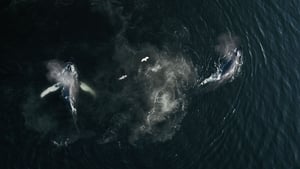
The Whale and the Raven
Director Mirjam Leuze’s The Whale and The Raven illuminates the many issues that have drawn whale researchers, the Gitga’at First Nation, and the Government of British Columbia into a complex conflict. As the people in the Great Bear Rainforest struggle to protect their territory against the pressure and promise of the gas industry, caught in between are the countless beings that call this place home.
2019
Indian Rights for Indian Women
Three intrepid women battle for Indigenous women's treaty rights.
2018
Retake - Making the World's First Haida-Language Feature Film
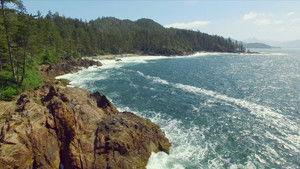
Retake follows the journey of co-directors Gwaai Edenshaw (Haida) and Helen Haig-Brown (Tsilhqot'in) as they work to produce The Edge of the Knife, a feature-length film told entirely in the critically-endangered Haida language. The film tells the story of a traditional Haida legend, showcasing the Haida culture in many ways that have never been seen by a broad audience.
2018
To the Orcas with Love
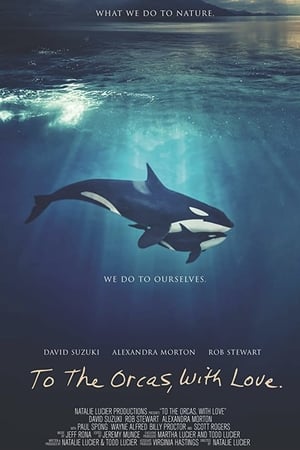
Stories of personal connections with orcas, beautiful cinematography featuring B.C’s resident orcas, and an evocative soundscape composed by Jeff Rona and Ben MacDougall provide an uplifting contrast to the environmental challenges we face. Inspired by elders including environmentalist and CBC Broadcaster, David Suzuki, whale researchers Alexandra Morton and Paul Spong, totem carver Wayne Alfred, and lifelong resident of the Broughton archipelago Billy Proctor, this film is anchored by Rob Stewart’s invitation to rise up and create the world we dream for ourselves. Viewers will come to understand the importance of the personal choices we make; it becomes clear that what we do to nature, we do to ourselves.
2017
Trick or Treaty?
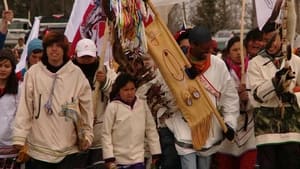
Legendary Canadian documentarian Alanis Obomsawin digs into the tangled history of Treaty 9 — the infamous 1905 agreement wherein First Nations communities relinquished sovereignty over their traditional territories — to reveal the deceptions and distortions which the document has been subjected to by successive governments seeking to deprive Canada’s First Peoples of their lands.
2014
Foster Child
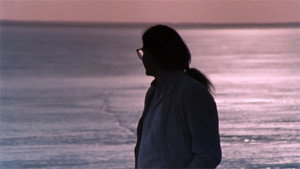
Gil Cardinal searches for his natural family and an understanding of the circumstances that led to his becoming a foster child. An important figure in the history of Canadian Indigenous filmmaking, Gil Cardinal was born to a Métis mother but raised by a non-Indigenous foster family, and with this auto-biographical documentary he charts his efforts to find his biological mother and to understand why he was removed from her. Considered a milestone in documentary cinema, it addressed the country’s internal colonialism in a profoundly personal manner, winning a Special Jury Prize at Banff and multiple international awards.
1987
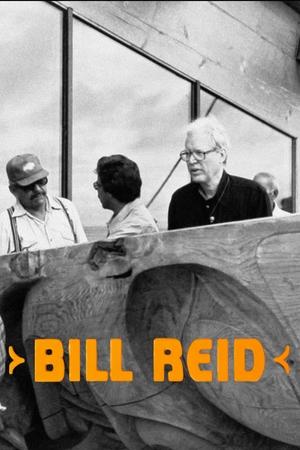
Bill Reid
Follows Haida artist Bill Reid, from British Columbia. A jeweller and wood carver, he works on a traditional Haida totem pole. We watch the gradual transformation of a bare cedar trunk into a richly carved pole to stand on the shores of the town of Skidegate, in the Queen Charlotte Islands of B.C.
1979
Salmon People
Contrasting ancient myth and modern reality, this short documentary examines the legendary relationship between West Coast Indigenous people and salmon, once their staple food. In the mythical realm, we learn how Raven finds riches in the harvest of the salmon, only to lose everything through a thoughtless act against the Spirit of the Salmon. So too does modern man jeopardize his living from the sea by heedless action. Images of ancient spear-fishing and smoke-houses contrast with images of today's Indigenous people operating a seiner and working in a cooperative cannery.
1976
The Navajos: Children of the Gods
The story of the Navajo, at work and play, in the Southwestern United States, and in particular, in scenic Monument Valley. The film focuses on a typical Indian family, its daily life, struggles, and folkways, as every aspect of living is governed by Navajo gods and legends.
1957