Watch Matthew Kennedy: One Man's Journey (2007) Online Free
A documentary on the life of Matthew Kennedy, one of the first internationally acclaimed African American concert pianists, and former director of the Fisk Jubilee Singers of Nashville, Tennessee. The film contains footage of interviews with Dr. Kennedy, live performances, radio broadcasts, studio recordings, and interviews with his former students and colleagues. Born in the segregated South in 1921, Matthew Kennedy was known throughout his home state of Georgia as a child-prodigy. At age 12 he attended a concert given by the famous Russian pianist Sergei Rachmaninoff in Macon, Georgia in 1932. Kennedy describes what he remembers of the concert from his perspective in the segregated balcony for “Colored.” He was also the star of his own radio show in the early 1930s. At that time, Kennedy's stage name on radio and in the cinema – where he played the organ to accompany the silent films – was “Sunshine.”
More Like This
Journey into Gaza
“In Gaza you have to get there in the evening, in spring, lock yourself in your room and from there listen to the sounds coming in through the open window.... It's 2018. I am 25 years old and a foreign traveler. I meet young Palestinians my age..”
2024

Mozart's Sister
For the first 18 years of her life, Mozart’s sister shared equal billing with her brother. Musical partners and collaborators, Wolfgang Mozart and Maria-Anna Mozart played together before Kings and Queens, and were the talk of Europe. What happened to her? Forced into retirement by age 16 because she was a woman, a stunning new investigation explores why she was retired against her will and the explosive theory: did Maria-Anna Mozart continue to compose in secret?
2024
Churchill: Britain's Secret Apartheid
When Winston Churchill needed the help of the US Army to defeat Hitler, he made a controversial decision to allow America to bring its segregated Army to the UK. Racial tension between black and white American soldiers spilled out onto the streets of Britain, resulting in shoot-outs, riots and murders. Searching for people alive today directly impacted by the violence, the program examines its lingering impact.
2024
Pianoforte
The world’s most talented young pianists compete in the International Chopin Piano Competition, held every five years in Warsaw, Poland. A rare behind the scenes look at the triumphant highs and crushing lows of competition, Pianoforte is both a testament to the remarkable power of music and an intimate coming-of-age portrait.
2023

Racist Trees
Can a tree be racist? A few years ago, debate on this issue reached as far as Fox News. The focus was a row of tamarisk trees along a huge golf course in Palm Springs, which screened off the neighborhood of Crossley Tract. This is a historically Black neighborhood, named after its founder Lawrence Crossley, who was one of the first Black residents to settle in the largely white tourist paradise, established on indigenous land over a century ago.
2022
Behind the Shield: The Power and Politics of the NFL
Celebrated author and Nation magazine sports editor Dave Zirin tackles the myth that the NFL was somehow free of politics before Colin Kaepernick and other Black NFL players took a knee.
2022
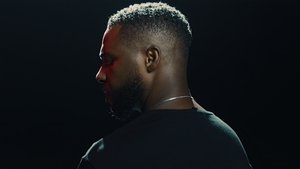
Black Thoughts
A man that is a stranger, is an incredibly easy man to hate. However, walking in a stranger’s shoes, even for a short while, can transform a perceived adversary into an ally. Power is found in coming to know our neighbor’s hearts. For in the darkness of ignorance, enemies are made and wars are waged, but in the light of understanding, family extends beyond blood lines and legacies of hatred crumble.
2020

Creating a Character: The Moni Yakim Legacy
What do Jessica Chastain, Viola Davis, Patti LuPone and Alex Sharp have in common? They are but a few of the extraordinary actors who have studied under Moni Yakim at Juilliard, United States' greatest performing arts school. This compelling portrait of the master teacher - the sole remaining founder of the school's legendary Drama Division - takes us inside the drama classes where Moni and his wife Mina pour their love and passion into preparing the next generation of actors for the spotlight.
2020
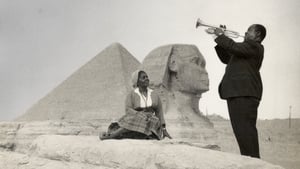
The Jazz Ambassadors
The Cold War and Civil Rights collide in this remarkable story of music, diplomacy and race. Beginning in 1955, when America asked its greatest jazz artists to travel the world as cultural ambassadors, Louis Armstrong, Dizzy Gillespie, Duke Ellington and their mixed-race band members, faced a painful dilemma: how could they represent a country that still practiced Jim Crow segregation?
2018
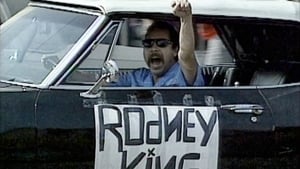
Burn Motherfucker, Burn!
An in-depth and provocative look at the 1992 Los Angeles riots exploring the roots of civil unrest in California and the relationship between African Americans and LAPD.
2017
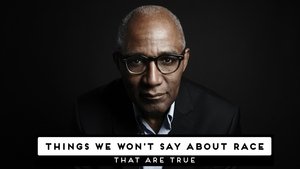
Things We Won't Say About Race That Are True
Trevor Phillips confronts some uncomfortable truths about racial stereotypes, as he asks if attempts to improve equality have led to serious negative consequences.
2015
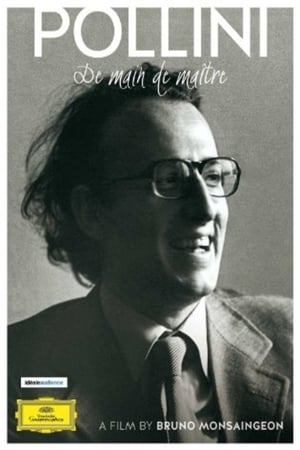
Maurizio Pollini: De main de maître
A unique film portrait of the famous Italian pianist. Maurizio Pollini felt himself that the time had come to submit to the probing of the camera, an exercise made all the more necessary because of his usual avoidance of the public eye.
2014
We Never Said Goodbye To You Varosha
Varosha, the only city on the world without people, the loneliest city... Varosha is a province in Cyprus that is closed with fences and unpopulated since 1974.
2013
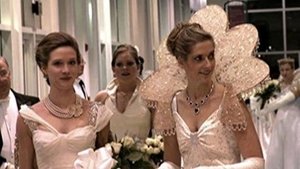
The Order of Myths
In 2007 Mobile, Alabama, Mardi Gras is celebrated... and complicated. Following a cast of characters, parades, and parties across an enduring color line, we see that beneath the surface of pageantry lies something else altogether.
2008

Banished
A look at three U.S. cities, which were part of many communities that violently forced African American families to flee in post-reconstruction America.
2007
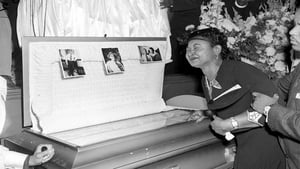
The Untold Story of Emmett Louis Till
Never-before-seen testimony is included in this documentary on Emmett Louis Till, who, in 1955, was brutally murdered after he whistled at a white woman.
2005
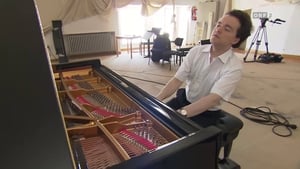
Evgeny Kissin: The Gift of Music
Evgeny Igorevich Kissin was born in Moscow on the 10th of October 1971. He started to play the piano at the age of two, as soon as he was tall enough to reach the keyboard and he has not looked back from that day to this. His is a very rare story of continued success that has had the simultaneous blessing of critics, the public and musicians alike. This film by Christopher Nupen shows Kissin in preparation, interview, rehearsal and performance, with several dazzling performances shot live on stage, in true concert conditions. It also contains all the encores from Kissin's memorable Promenade concert at the Royal Albert Hall, London, in August, 1997—the first Prom concert by a soloist, it attracted the biggest audience in all the 103 year history, very nearly six thousand people. The music is by Liszt, Gluck, Haydn, Beethoven, Schubert, Paganini, Kissin himself and Chopin, the composer for whom Kissin feels the closest affinity.
1999
The Winners
A searching, melancholy Dutch documentary about the lives of four classical musicians who won the prestigious Queen Elisabeth Competition in Brussels, a victory that did not prove a guaranteed ticket to the top of the classical music world.
1999
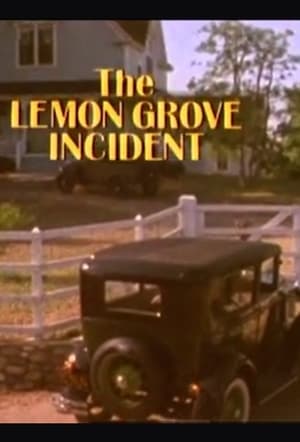
The Lemon Grove Incident
On Jan. 5, 1931, Mexican-American students were barred from attending their local elementary school. The parents took the school district to court.
1985
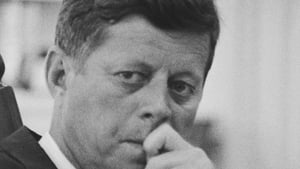
Crisis: Behind a Presidential Commitment
During a two-day period before and after the University of Alabama integration crisis, the film uses five camera crews to follow President John F. Kennedy, attorney general Robert F. Kennedy, Alabama governor George Wallace, deputy attorney general Nicholas Katzenbach and the students Vivian Malone and James Hood. As Wallace has promised to personally block the two black students from enrolling in the university, the JFK administration discusses the best way to react to it, without rousing the crowd or making Wallace a martyr for the segregationist cause. Preserved by the Academy Film Archive in partnership with The Film Foundation in 1999.
1963