Watch L'Inconnue du Maghreb (2020) Online Free
A name : Taouss Zahira, at the bottom of a letter mailed in Settat, Maroc. A date : 24 January 1990. Recipient : Charles Bordes, living in Montpellier with his family since the exile of the Pieds Noirs (name given to French nationals born in Algeria) in 1962. He hid the letter in his safe-deposit box at the bank. Upon his death, the letter surfaced, provoking quite a stir in the family. Why did Charles not destroy the letter, carrying his secret to the grave? Who is the person who signed the letter?
More Like This
Mohammed V, père de l'indépendance marocaine
2026

Le parcours d'un roi - Le Maroc de Mohammed VI
On July 30, 2024, Mohamed VI celebrates the 25th anniversary of his reign in style. Who is this so-called secret monarch? How did he gradually impose his vision and projects?
2024

The Atlantic, an Ocean of Opportunities
The Atlantic, an Ocean of Opportunities follows the Atlantic Initiative of King Mohammed VI, an ambitious vision to transform Morocco's Atlantic coast into a driver of economic development and regional cooperation.
2024
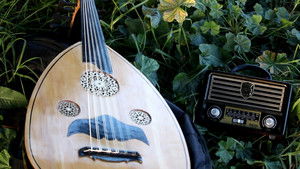
Echoes Of The Heart
ECHOES OF THE HEART IS THE FIRST SHORT FILM OF ECHOES TRILOGY THAT FOLLOWS SOUHAIL'S MUSIC PASSION IN PLAYING OUD IN A SMALL CITY.
2024
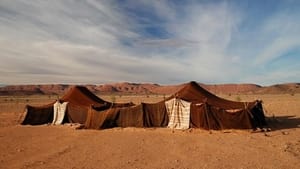
Khaïma
2023

Inside the art life of Ilyass Sefrioui
The film is set in Tangier, a city in northern Morocco known for its rich cultural heritage and vibrant artistic scene. It features Iliass, a young interdisciplinary artist who skillfully merges four distinct art forms—blurring the lines between tradition and modernity—to create a singular, innovative expression. Through Iliass's journey, the film explores the dynamic interplay of identity, creativity, and the transformative power of art, set against the backdrop of Tangier’s unique blend of Mediterranean and Moroccan influences.
2022
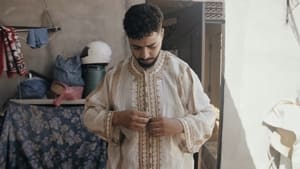
Love Will Come Later
Samir longs for love and struggles to find prospects in a land of limited opportunities. He believes in a better future far away.
2021
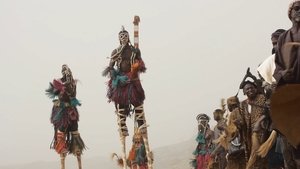
El canto de los dioses
Road documentary that delves into the musical and religious expressions of sub-Saharan Africa. Through Mauritania and Mali, the film documents the lives of Dogon, griots, musicians and instrument makers who, through oral accounts, explain why music plays a fundamental role in the socio-religious organization of peoples. The film culminates its search with the recording of the performance of the traditional Dogon mask dance, in Begnematou, a small village lost in the desert.
2020
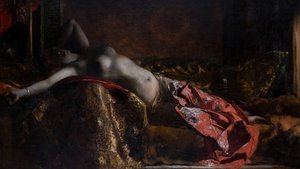
L'Orientalisme
Orientalism is a literary and artistic movement born in Western Europe in the 18th century. Through its scale and popularity, throughout the 19th century, it marked the interest and curiosity of artists and writers for the countries of the West (the Maghreb) or the Levant (the Middle East). Orientalism was born from the fascination of the Ottoman Empire and followed its slow disintegration and the progression of European colonizations. This exotic trend is associated with all the artistic movements of the 19th century, academic, romantic, realistic or even impressionist. It is present in architecture, music, painting, literature, poetry... Picturesque aesthetics, confusing styles, civilizations and eras, orientalism has created numerous clichés and clichés that we still find today in literature or cinema.
2019

Morocco from Above
Yann Arthus-Bertrand flew over Morocco with his cameras and asked the journalist Ali Baddou to write and record the comment.
2017
Parrot at the Milk Bar
A humorous observation in Barcelona’s immigrant neighbourhood El Raval. Four barber shops, four places of remembrance, strange time and space capsules inhabited by people who left their home to find a better one, while the Spaniards are about to leave their own country themselves.
2014
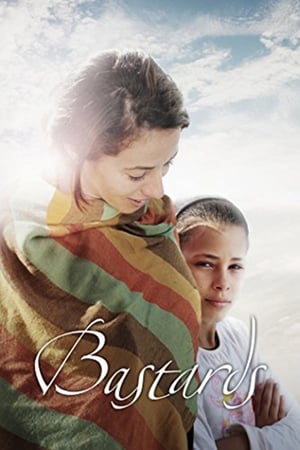
Bastards: Outcast in Morocco
At 14 Rabha El Haimer was an illiterate child bride, beaten, raped and then rejected. Ten years later, she is a single mother, fighting to legalise her sham marriage and secure a future for her illegitimate daughter. With unprecedented access to the Moroccan justice system, “Bastards” follows Rabha’s fight from the Casablanca slums to the high courts.
2014
Break the Silence
Following the death of Amina Filali, a 16 year-old girl who killed herself after she was allegedly forced to marry the man who raped her, a young woman carries a personal investigation into the representation and perception of rape in Morocco. Here rapists are offered to marry their victims as a means to save the "honour" of the family. By liberating the voices of these victims, 475 : Break the Silence gives an unprecedented view of family, the deceit of love, relationships, marriage and honour in urban deprived areas of a country seeking to find its identity between modernity and tradition.
2013
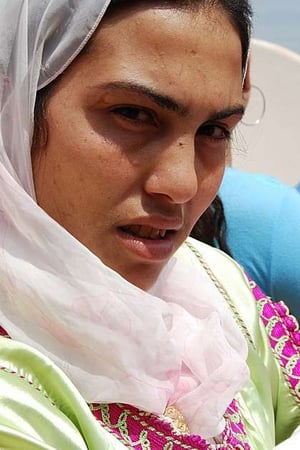
Dance of Outlaws
A film about a woman who doesn’t exist. Moroccan Hind was raped and consequently denied an official identity – she has no other choice but to work as a prostitute and traditional wedding dancer, but despite the odds of her situation, refuses to give up her dream of dignity, motherhood and love. This is a story of modern day outlaws, children of prostitutes, abandoned child brides and those who have had to escape to the fringes of patriarchal Moroccan society. Through the eyes of one young woman we see a life of constant struggle, but also a life free of the society’s norms and boundaries. The woman in the centre of the film, Hind, is both vulnerable and courageous as she tries to regain her life, her children and her mere right to live as an equal human being in the 21st century.
2012

Casablanca, les enfants du bitume
There are at least seven thousand children and adolescents wandering the streets of Morocco's economic capital. Sold by their parents, abused, beaten, or abandoned, they struggle to survive. Since 1995, the Bayti association has been fighting to reintegrate these sacrificed children and give them a second chance.
2009
Our Forbidden Places
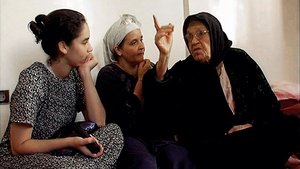
During the oppressive reign of Moroccan King Hassan II in the 70s and 80s (Years of Lead), many dissidents went missing. After the throning of a new king, a truth commission was formed in the 2000's. Families of the missing speak.
2009
The Moroccan Labyrinth
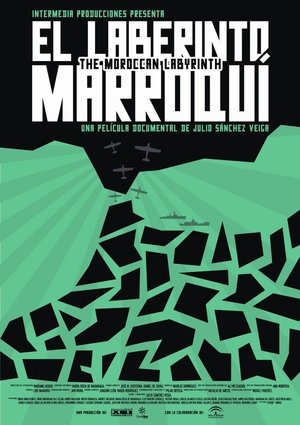
2007

Maroc, au coeur des traditions
2006
About Some Meaningless Events
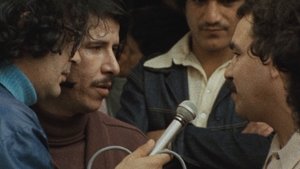
In Casablanca, a group of filmmakers conduct discussions with people about their expectations of, and aspirations for, the emerging Moroccan national cinema. When a disgruntled worker kills his superior accidentally, their inquest shifts focus, and they begin to probe the motives of the killing.
1974
Once ... Agadir
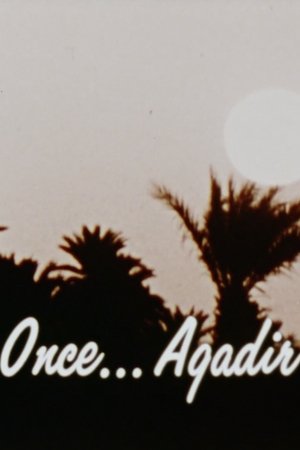
This short-length documentary takes us to Agadir, a city in Morocco that was struck by an earthquake in 1960. The film, made by an expatriate Moroccan who lost family and friends in the disaster, is a memorial to that tragedy and to the past he left behind when he came to North America. Partly allegorical, it employs varying techniques to offset reality from fantasy sequences.
1971