Watch Letters to my Grandma (2024) Online Free
A young filmmaker maintains an epistolary conversation with his deceased grandmother while he rediscovers the space they both inhabited for more than a decade.
More Like This
I'm 20 years old, and I've figured out life
Miška is 20 years old, and she has a dream of living in Prague. While coming along her journey, we find out more about her mental health and her love life
2025
Love and Feathers
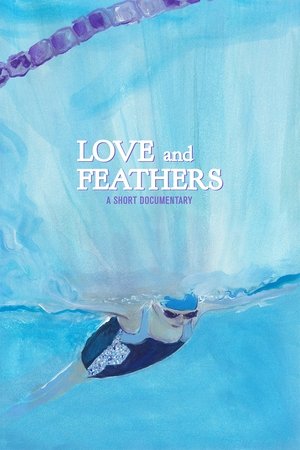
Special Olympics athlete Jesse Lanterman prepares for her upcoming competition in her usual ways: working her salon job, bowling with friends, and searching for the juiciest strawberry in her garden. Filmed by the subject's cousin, this week-in-the-life short documentary offers an intimate profile that champions the tenderness of cousinly love.
2025
She is from LÁ
Women find empowerment behind the red nose and makeup, revealing the playful and subversive spirit of female clowning. Through poetic and intimate performances, the clowns share stories that go beyond laughter, exploring their role as manipulators of energy and expression.
2025

Kitchen Dialogue
A generational trauma through the lens of an Asian American teenager through food and poetry.
2025
Immigrants Heartbeats
Real testimonials from five Latin American immigrants who share their experiences and challenges, recounting what it has been like to build a new life in Brazil from their different perspectives in the city of Foz do Iguaçu. Individual experiences are revealed and reflect on belonging, identity, and the constant reinvention of those who cross territories in search of new opportunities.
2025
The Boy of The Fish
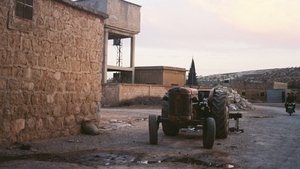
"The Boy Of The Fish" follows Noon, a young boy living in a Syrian refugee camp, who finds solace and a sense of freedom in a whale-shaped doll he names "Bahr." Set against the challenging realities of camp life, Noon’s journey is both a story of resilience and a testament to the boundless imagination of childhood. Through vivid symbolism and a unique soundscape, the film explores themes of loss, hope, and the longing for freedom amidst confinement. Shot entirely on an iPhone due to restrictions in the conflict zone, the film combines raw authenticity with poetic depth to capture the emotional landscape of a young soul navigating adversity.
2024
Streams of White
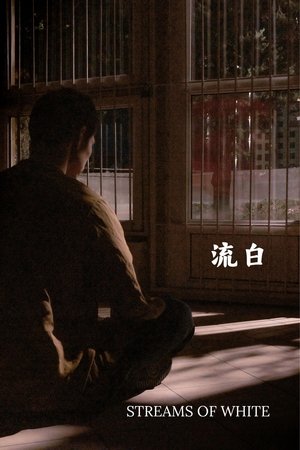
A sitting man listens to his thoughts, but can't catch any of them.
2023
Sheltering Skies
Exploration of the ordinary lives led by women of different classes—a college professor, an unmarried woman, and a seasoned drama artist. They unveil the societal intricacies woven into their social backgrounds, with typical evening talks besides them. Gripping tales of yore immersed in the metaphorical embrace of their surroundings, their familial shelters are emblematic of resilience and protection, where profound truths lie hidden within the depths of the commonplace.
2023
WINHANGANHA
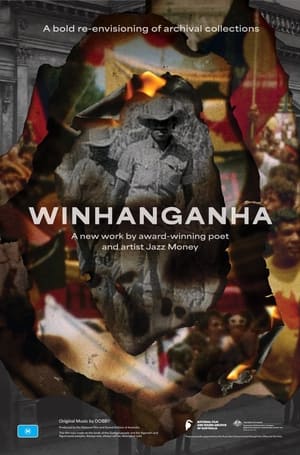
WINHANGANHA (Wiradjuri language: Remember, know, think) - is a lyrical journey of archival footage and sound, poetry and original composition. It is an examination of how archives and the legacies of collection affect First Nations people and wider Australia, told through the lens of acclaimed Wiradjuri artist, Jazz Money.
2023
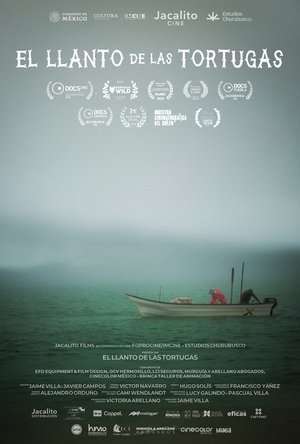
The Crying of the Sea
Cosme and Monica live with their children and grandchildren in Bahia de Kino, a fishing town in the northern State of Sonora, Mexico. They used to call themselves predators of the sea until one day they became unable to kill a sea turtle. Submerged in a crisis, they embark on a journey to try to save their way of life and of their fishing town through the creation of an environmental community group in charge of protecting sea turtles.
2023
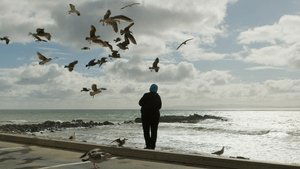
California Light
One filmmaker's exploration of natural light in California and its influence on people's lives.
2023

de Luz
Filmed during lockdown 2020, ‘de Luz/Of Light’ explores fleeting perceptions and cyclic rituals of Portuguese coastal landscapes, specifically surrounding the Cabo Sardão Lighthouse in Beja, and constructs a complex audio-visual narrative through collaging together various natural rhythms (such as the sun and motion of the sea). This film is intended for screening with a 16:27 aspect ratio. The soundtrack was composed by sound artist Michelle Lewis-King.
2022
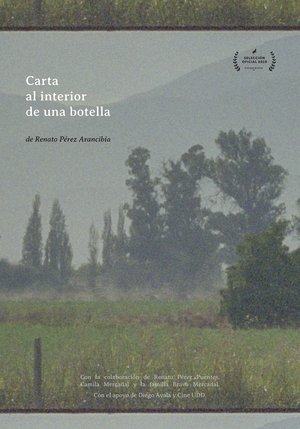
Carta al Interior de una botella
The meeting point between two comunication media: A letter written in 1929 -hidden inside the adobe walls of an old country house - and the shooting of the coutryside along the highway that connects two Chilean cities un 2018.
2019
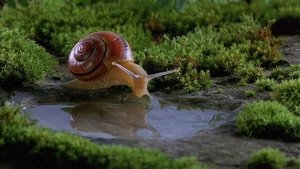
Microcosmos
A documentary of insect life in meadows and ponds, using incredible close-ups, slow motion, and time-lapse photography. It includes bees collecting nectar, ladybugs eating mites, snails mating, spiders wrapping their catch, a scarab beetle relentlessly pushing its ball of dung uphill, endless lines of caterpillars, an underwater spider creating an air bubble to live in, and a mosquito hatching.
1996
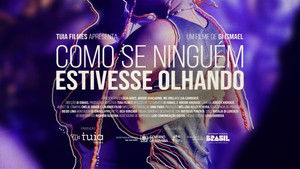
Como se Ninguém Estivesse Olhando
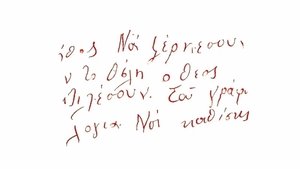
Letters from Europe
"Letters from Europe" brings to light the words of men and women who gave their lives resisting the Nazi and fascist conquest from 1939 to '45 across the European continent. The moving goodbyes penned by a few of those sentenced to death are sometimes true spiritual testaments that explore the meaning of civic responsibility, human existence, fraternity, and life and death. Their words, which the film mingles with footage of the present day, can perhaps restore meaning to a humanist ideal and to the ever-changing idea of a united Europe.
2021
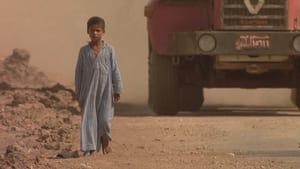
Powaqqatsi
An exploration of technologically developing nations and the effect the transition to Western-style modernization has had on them.
1988

The Dance of Icarus
The study of the artistic work and its relationship with the author generates reflections on the connection between the material and the spiritual. The Dance of Icarus is a poetic documentary that offers an open space for reflection, like a tribal dance. Through the effort, passion and imagination of the artist José Benítez, the pictorial process becomes a profound relationship between the artist and the canvas, raising unanswered questions about creation. This documentary, loaded with symbolism, invites a total immersion in the creative process. Directed by Jesús Jiménez, this debut film is presented as an expressionist work that celebrates art in its purest and most visceral form, exploring the dimensions of artistic creation and its impact on the viewer.
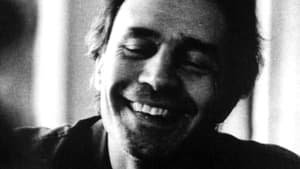
Letter in Motion to Gilles Jacob and Thierry Fremaux
Rather than writing a simple letter to explain his absence from the press conference for his latest Cannes entry, "Goodbye to Language," at the Cannes Film Festival, instead, legendary filmmaker Jean-Luc Godard created a video "Letter in motion to (Cannes president) Gilles Jacob and (artistic director) Thierry Fremaux." The video intercuts from Godard speaking cryptically about his "path" to key scenes from Godard classics such as "Alphaville" and "King Lear" with Burgess Meredith and Molly Ringwald, and quotes poet Jacques Prevert and philosopher Hannah Arendt.
2014
Naqoyqatsi
A visual montage portrait of our contemporary world dominated by globalized technology and violence.
2002