Watch Let Us Be Seen (2022) Online Free
Loading Cinehub...
How do feminist and queer identities operate in contemporary Belfast? Let Us Be Seen is a documentary film that presents the work and ideas of individuals on the ground in Belfast, who have campaigned tirelessly for change and continue to do so. On 21st October 2019, abortion was decriminalised and same-sex marriage legalised in Northern Ireland. This important law change however has shed light on more nuanced barriers facing people locally.
More Like This

Margaret Kilgallen: Heroines
"I especially hope to inspire young women, because I often feel like so much emphasis is put on how beautiful you are, and how thin you are, and not a lot of emphasis is put on what you can do and how smart you are. I'd like to change the emphasis of what's important when looking at a woman." Filmed in San Francisco in 2000, Margaret Kilgallen (1967-2001) discusses the female figures she incorporated into many of her paintings and graffiti tags. Loosely based on women she discovered while listening to folk records, watching buck dance videos, or reading about the history of swimming, Kilgallen painted her heroines to inspire others and to change how society looks at women. Three of Kilgallen's heroines—Matokie Slaughter, Algia Mae Hinton, and Fanny Durack—are shown and heard through archival recordings. Kilgallen is shown tagging train cars with her husband, artist Barry McGee, in a Bay Area rail yard and painting in her studio at UC Berkeley (source: Art21).
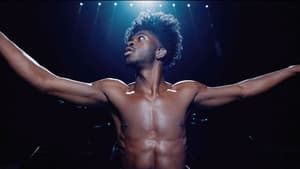
Lil Nas X: Long Live Montero
A remarkably intimate portrait of an artist on tour navigating identity, family, expectations, and acceptance, all while reflecting on his place within the legacy of Black, queer performers.
2023
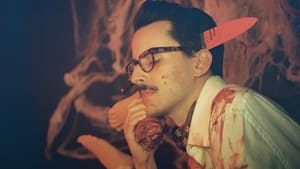
Synonymous With
A student's increasingly intimate line of questioning causes his interview with a local horror host to take a vulnerable turn.
2021
All Male, All Nude: Johnsons
Journey into the unique world of male stripping at a small gay strip club located in America's Second Gayest City per capita in this follow up to the popular 2017 feature documentary All Male, All Nude. All Male, All Nude: Johnsons is set in Florida's newest gay strip club, Johnsons, located in Wilton Manors, Florida and new home to the creator and owner of Johnsons - Matt Colunga, an award-winning body builder, who has been in the male entertainment industry for 23 years and was introduced in the first film. From 42-year-old Matt, to 26-year-old Alexander, who spends his days dressed as Spider-Man creating early memories for children at kid parties and spends his nights stripping down to his G-String for gay men, to single fathers and young men putting themselves through college with their stripping income, to entertainers in the adult film world - the men who compose the heart of Johnsons are diverse, unique and captivating.
2019

Close to His Chest
These men are undergoing a crucial stage of self-discovery, but for better or worse - they will not go through it alone. A selection of 6 shorts about the complexities of gay and male sexuality. Includes: Along the Road [Längs vägen] (2011); Drives [Pulsiones] (2009); Frozen Princess [Princesa de hielo] (2017); Naked [Desnudos] (2013); Swimming Pool [Piscina] (2017); Visibles (2018).
2019
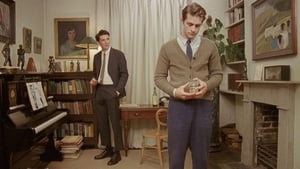
The Colour of His Hair
Based on an unrealized film script written in 1964 for The Homosexual Law Reform Society, a British organisation that campaigned for the decriminalization of homosexual relations between men, "The Colour Of His Hair" merges drama and documentary into a meditation on queer life before and after the partial legalization of homosexuality in 1967.
2017
Battle of Soho
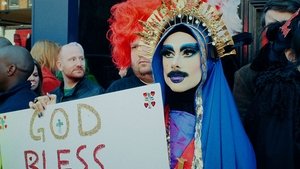
In November 2014 the Iconic club Madame Jojos closed its doors. This event being interpreted by many as the death knell of Soho.The gentrification of Soho affects the LGBT community and its Drag Queen sub-culture, but the cabaret atmosphere of the entire neighborhood in enormous ways. This active pursuit to destroy a bubbling and vibrant part of the city's heart is viewed by many as an atrocity akin to turning the lights off on Broadway. Over 3rd of London's music venues have been closed in recent years and no one noticed. An active movement to bring a halt to this disaster has begun to unfold with one organization after another emerging to fight for Soho. Organizations made up of citizens and celebrities have sprung up to combat this onslaught. Will they win this battle and save Soho?
2017

This Is Everything: Gigi Gorgeous
A groundbreaking film that portrays the journey of Gigi Lazzarato, a fearless woman who began life as Gregory, posting fashion videos to YouTube from his bedroom, only to later come out as a transgender female. With never-before-seen personal footage, the film spotlights a family’s unwavering love for a child.
2017

Transgender Kids: Who Knows Best?
Around the world there has been a huge increase in the number of children being referred to gender clinics. Increasingly, parents are encouraged to adopt a 'gender affirmative' approach - fully supporting their children's change of identity. But is this approach right?
2017
Muxes
In the indigenous communities around the town of Juchitán, the world is not divided simply into males and females. The local Zapotec people have made room for a third category, which they call “muxes” - men who consider themselves women and live in a socially sanctioned limbo between the two genders.
2016
You'll Have the Sky: The Life and Work of Anne Morrow Lindbergh
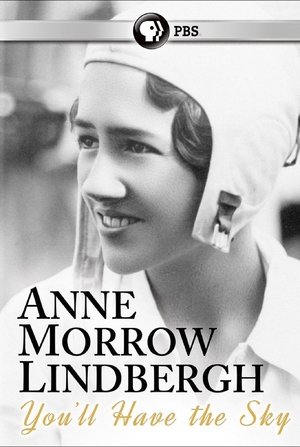
A film portrayal of a pioneering aviator and best-selling author whose extraordinary public life had a deep impact on her inner world.
2016
Passing
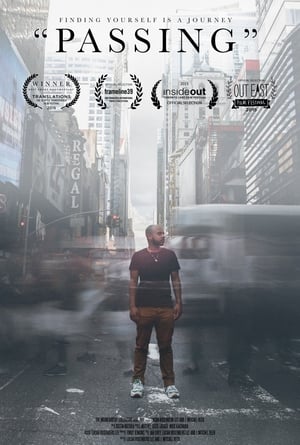
A short documentary profiling the lives of three transgender Black men, exploring what life is like living as a Black man when no one knows you are transgender, and their journeys with gender in the years since they transitioned.
2015
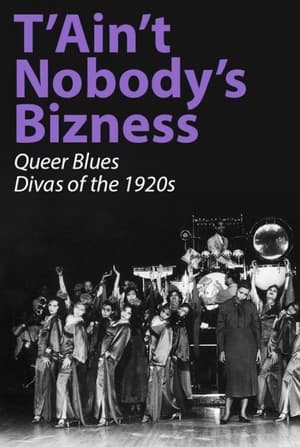
T'Ain't Nobody's Bizness: Queer Blues Divas of the 1920s
The 1920s saw a revolution in technology, the advent of the recording industry, that created the first class of African-American women to sing their way to fame and fortune. Blues divas such as Bessie Smith, Ma Rainey, and Alberta Hunter created and promoted a working-class vision of blues life that provided an alternative to the Victorian gentility of middle-class manners. In their lives and music, blues women presented themselves as strong, independent women who lived hard lives and were unapologetic about their unconventional choices in clothes, recreational activities, and bed partners. Blues singers disseminated a Black feminism that celebrated emotional resilience and sexual pleasure, no matter the source.
2013
Dixie Chicks: Shut Up and Sing
Shut Up and Sing is a documentary about the country band from Texas called the Dixie Chicks and how one tiny comment against President Bush dropped their number one hit off the charts and caused fans to hate them, destroy their CD’s, and protest at their concerts. A film about freedom of speech gone out of control and the three girls lives that were forever changed by a small anti-Bush comment
2006
Paper Dolls
Paper Dolls follows the lives of transgender migrant workers from the Philippines who work as health care providers for elderly Orthodox Jewish men and perform as drag queens during their spare time. It also delves into the lives of societal outcasts who search for freedom and acceptance.
2006
Don't You Worry, It Will Probably Pass
Three Swedish teenagers express their thoughts about bi- and homosexuality while navigating questions of identity, self-acceptance, and societal expectations. Through personal stories and reflections, the film explores their struggles, hopes, and the challenges of growing up as LGBTQ+ youth in Sweden.
2003
Worth Every Minute
A tribute to the late Pat Schulz, an influential Canadian feminist.
1987
Moscow Does Not Believe in Queers
Documentary about the ten days the director spent in Moscow, during the 1986 Moscow Youth Festival, as kind of a gay delegate.
1986
Scum Manifesto
Delphine Seyrig reads passages from a Valerie Solanas’s SCUM manifesto.
1976
Bitch: a word movie
Nantali Indongo, the rapper of the group Nomadic Massive, has long refrained from using the word Bitch in the lyrics of the songs she sings. As an Afro-descendant and mother, she considers that this word’s purpose has always been to dehumanize the Black woman. However, at the junction of the Black Lives Matter and #MeToo movements, she decided for the f irst time to use the b-word as a cry from the heart in her song Time . Aware of the complexity posed by the trivialization of this word, she embarked on a “word movie” across the Americas to understand the origins of the word and its many connotations over time. Her journey allowed her to give a voice larger- than-life to Black women, so that they could themselves express their opinions on the word bitch.