Watch Kristallnacht, the November pogroms (2025) Online Free
On the night of November 9-10, 1938, the Nazis initiated anti-Jewish violence throughout the German Reich. Hundreds of photographs and films rediscovered in archives provide insight into these pogroms. 30,000 Jews were deported to concentration camps. The November Pogroms mark a deeply disturbing event in German history that remains so to this day.
Cast
Dominique Reymond
More Like This

Romy and Magda Schneider: Mother - Daughter - Rivals?
New light is shed on the complex relationship between Romy Schneider and her mother Magda, a German film star of the 1930s admired by Hitler - who welcomed her and her daughter to his chalet in Berchtesgaden.
2025
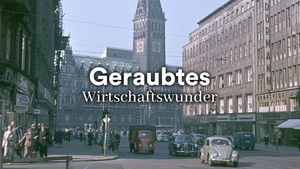
The Dark Side of the German Economic Miracle
West Germany underwent a period of rapid and extraordinary growth after the Second World War with rising wages and living standards. This economic miracle is often credited to Economics Minister Ludwig Erhard and the hard work of ordinary Germans. But on closer inspection, some hard truths and injustices from the Nazi era casts a shadow on this postwar rosy picture.
2025
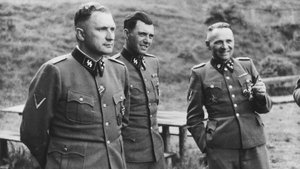
Bullets And Blueberries
The Holocaust began with the indiscriminate mass shootings by the Einsatzgruppen in the bloodlands of Eastern Europe and was perfected in the gas chambers at Auschwitz. “Bullets And Blueberries” explores the motives, methods and madness of the perpetrators, using never-before-seen images captured by the killers themselves — images that fully capture the banality of evil.
2025

Der dritte Bruder
While searching for her grandmother, the director comes across the story of three brothers who are torn between the fronts of political ideologies in the Third Reich and divided Germany: "the third brother" is the filmmaker's grandfather, who, in confronting her father, tries to overcome decades of speechlessness and, in the process, to understand where in the past her father's sense of family fell by the wayside.
2025

The Final Days of Adolf Hitler
2024
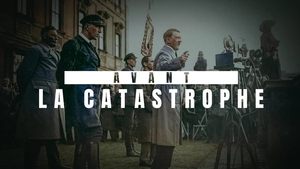
Avant la catastrophe - La Chute de la République de Weimar (1930-1933)
2022

Wings of Hope - A story of Bravery
This documentary takes us back to... ...the troubled days of 1943. A team of young airmen, of the allied forces, is being shot down out the coast of Sifnos. They manage to reach the island and get rescued by the locals. We will get to know our heroes, through the eyes of their descendants and know about their actions that echo to our days.
2021
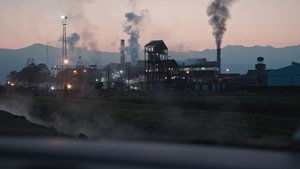
Corporate Accountability
Images of Argentinian companies and factories in the first light of day, seen from the inside of a car, while the director reads out documents in voiceover that reveals the collusion of the same concerns in the military dictatorship’s terror.
2020
Status and Terrain
Exploring the mechanisms of the Nazi seizure of power and focusing on forgotten sites in Saxony and Thuringia, the film investigates early "wild" concentration camps established after 1933 for the suppression of political opponents.
2019

Hitler's Battle Against the Press
As early as 1920, the journalists of the "Münchener Post" recognized the danger posed by Adolf Hitler. Consistently and boldly they wrote about National Socialism. The brave journalists and their newspaper are almost forgotten today. A single book has been published about them - in Brazil.
2018

The Tea Coffee Experiment
A group of friends come up with the brilliant idea of testing the non-existent drink known as "Tea Coffee".
2017

Hitler's Hollywood
Film journalist and critic Rüdiger Suchsland examines German cinema from 1933, when the Nazis came into power, until 1945, when the Third Reich collapsed. (A sequel to From Caligari to Hitler, 2015.)
2017
Hitler's War on Oil: Objective Baku
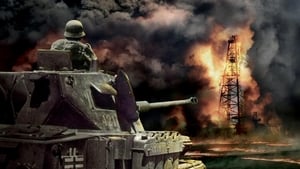
This film tells the story of World War II as experienced by the inhabitants of Baku, the capital of Azerbaijan, at the time a satellite of Moscow. The very rich oil deposits of the region aroused the covetousness of Hitler who needed the oil from Baku to carry out his program of world domination. His entire campaign of 1942-1943 was aimed at seizing them. But the Soviets and the Allies were determined to prevent him from doing so, by all means, including the most radical, even if it meant wiping the city off the map.
2015
Hitler & Stalin: Portrait of Hostility
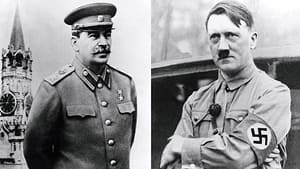
A double portrait of two dictators who were thousands of miles apart but were constantly fixated on each other.
2009
Dämonische Leinwand - Der deutsche Film der zwanziger Jahre
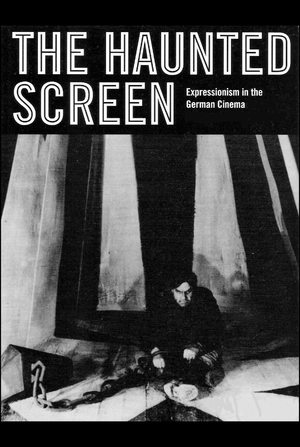
In this film essay, critic Peter Buchka explores the German cinema of the 1920s, ranging from the disquieting images of Fritz Lang's Metropolis to the castrating sexuality of Marlene Dietrich in Die Blaue Engel. The program provides an introduction to Weimar cinema, with Buchka's essay narrated over the images from film clips of 1920s era German films.
1998
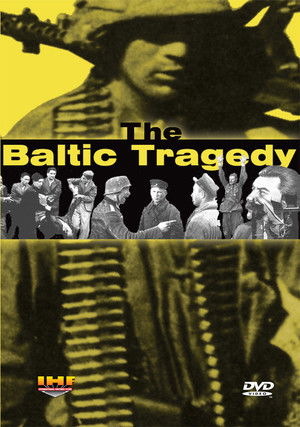
The Baltic Tragedy
Special care has been taken by International Historic Films to assemble this monumental documentary, which tells the story of what is left for a people after its land has been ravaged by war. Situated between the powerful antagonists Germany and the Soviet Union, the Baltic nations of Latvia, Lithuania, and Estonia bore witness to some of the most ferocious land battles of the Second World War.
1985
Swastika
Comprised of footage shot during the Nazi regime, including propaganda, newsreels, broadcasts and even some of Eva Braun's colorized personal home movies, we explore the way in which the Third Reich infiltrated the lives of the German population, from 1933 to 1945.
1974
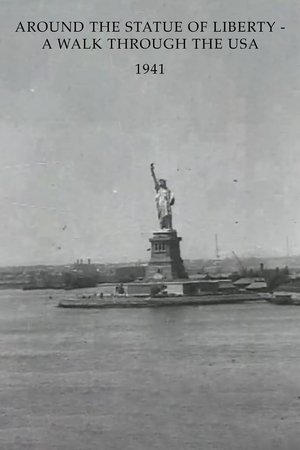
Around the Statue of Liberty - A Walk Through the USA
Nazi propaganda film “exposes” the United States and its plans against Germany and the German people. Shows so-called signs of decay, gang-wars, slums, riots of blacks, etc. Small wonder, the comment is, that the Statue of Liberty turns it back on America.
1941

Triumph of the Will
A showcase of German chancellor and Nazi Party leader Adolf Hitler at the 1934 Nuremberg Rally.
1935
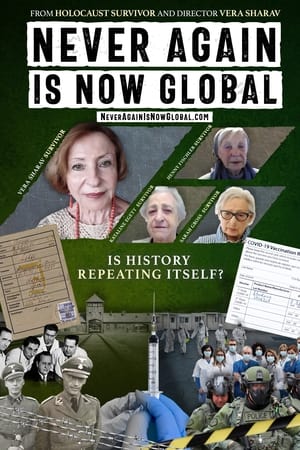
Never Again Is Now Global
Holocaust survivors, children of survivors, and grandchildren - as well as German freedom fighters - express their shock at the Covid era's fear-mongering and divisive dictates that are reminiscent of the prelude to the Holocaust. This ambitious five-part docu-series is the brainchild of Holocaust survivor and human rights activist Vera Sharav.