Watch Kentridge and Dumas in Conversation Online Free
William Kentridge and Marlene Dumas – two of the most celebrated names in international contemporary art – come face to face in a series of frank, witty and intense discussions about their work and practice. The film follows them from the gentle ambience of a dinner conversation, to their studios – where we are given insight into the way that each artist works – to some of their finished works and installations. What emerges is how very differently these two highly successful South African artists approach image making. Dumas’ method is deeply intuitive – she often works on the floor as though embracing her paintings, pouring and dabbing paint to produce her remarkable portraits. Kentridge is intensely systematic, alternating gestural mark making with the repetitive action of drawing-filming-erasing for his animated films.
Cast
Marlene Dumas, William Kentridge
More Like This
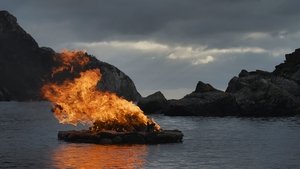
Tracing Light
Light is a fascinating phenomenon. Without light, there would be no cinema, no film – and no life. So light is at the origin of everything, and yet it remains invisible to the eye until it hits matter. This moment is – quite literally – the starting point of Thomas Riedelsheimer’s latest work, for the springtime spectacle of rainbow shreds in the cinematographer and documentary filmmaker’s flat became the starting point of a search for the origin of the images we form of this world. For this quest he dived deep into two spheres that seem to follow different laws but always strive to fathom the magical: physics and art.
2025
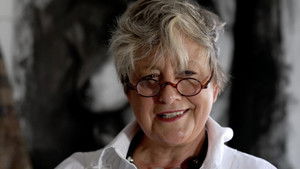
Greer Ralston – Giving It All To Art
An intimate portrait of figurative artist Greer Ralston as she astonishes us with her exceptional talent and tells of her plans to devote herself solely to art.
2024
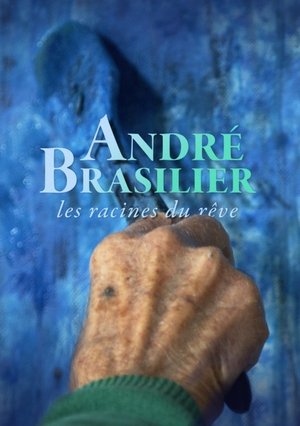
André Brasilier: Where dreams come from
This documentary is a touching and intimate portrait of André Brasilier, both as a man and as an artist. Presented as a testament to his art, the film focuses on two main aspects: André's connection to his youth and early inspirations, and the evolution of his art. The film pays special attention to his wife Chantal, who was André's muse and who appears in many of his paintings.
2023
Drummies
In a meditation on the meaning behind sports in a Post-Apartheid South Africa, three young girls muse on their hopes and dreams as aspiring Drum Majorettes.
2022
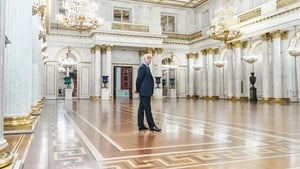
Hermitage: The Power of Art
2019
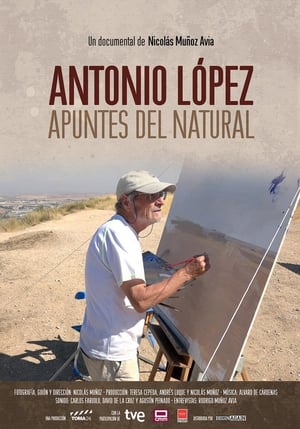
Antonio López: apuntes del natural
A documentary on the painter Antonio López and his day-to-day work.
2019
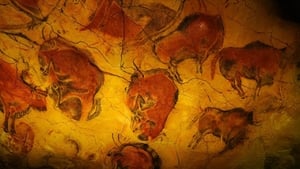
Altamira: el origen del arte
A documentary to 'rediscover' the so called Sistine Chapel of Rock Art and to tell the story of the discovery of a cave and some paintings that astonished the world 138 years ago. Filming this documentary lead its director, José Luis López Linares, through many rock caves around the world, grasping information about the life of the Magdalenian man -who lived twenty thousand years ago- and about an art form, the paintings, that make Altamira "the Prado museum of prehistory".
2018
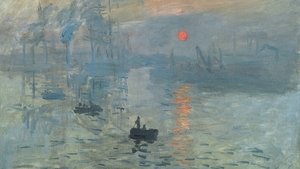
I, Claude Monet
From award-winning director Phil Grabsky comes this fresh new look at arguably the world’s favourite artist – through his own words. Using letters and other private writings I, Claude Monet reveals new insight into the man who not only painted the picture that gave birth to impressionism but who was perhaps the most influential and successful painter of the 19th and early 20th centuries. Despite this, and perhaps because of it, Monet’s life is a gripping tale about a man who, behind his sun-dazzled canvases, suffered from feelings of depression, loneliness, even suicide. Then, as his art developed and his love of gardening led to the glories of his garden at Giverney, his humour, insight and love of life is revealed. Shot on location in Paris, London, Normandy and Venice I, Claude Monet is a cinematic immersion into some of the most loved and iconic scenes in Western Art.
2017
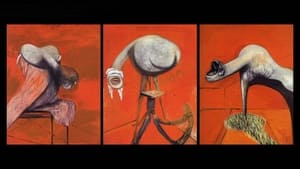
Francis Bacon: A Brush with Violence
In this unique, compelling film, those who knew him speak freely, some for the first time, to reveal the many mysteries of Francis Bacon.
2017
Im Land des Schamanen
2015
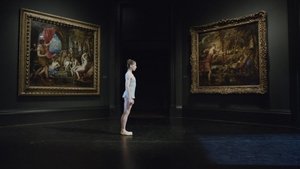
National Gallery
A portrait of the day-to-day operations of the National Gallery of London, that reveals the role of the employees and the experiences of the Gallery's visitors. The film portrays the role of the curators and conservators; the education, scientific, and conservation departments; and the audience of all kinds of people who come to experience it.
2014

The Mona Lisa Myth
2014

This Is Not a Dream
The video revolution of the 1970s offered unprecedented access to the moving image for artists and performers. This Is Not a Dream explores the legacies of this revolution and its continued impact on contemporary art and performance. Charting a path across four decades of avant-garde experiment and radical escapism, This Is Not a Dream traces the influences of Andy Warhol, John Waters and Jack Smith to the perverted frontiers of YouTube and Chatroulette, taking in subverted talk shows and soap operas, streetwalker fashions and glittery magic penises along the way.
2012
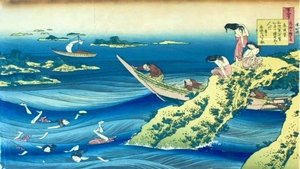
Ukiyo-e: Floating World Images
400 years ago, in Japan, a revolutionary art was born and would influence the greatest Western artists of the late nineteenth century, the Ukiyo-E "floating images of the world." A wonderful trip in a world of beauty and discovery. The concept and objectives of this documentary are, on the one hand, to show, teach and discover Japanese art (Japanese stamps and prints) and, on the other hand, to demonstrate the influence of Japanese stamps on Western modern art, showing in comparison some of the Most famous paintings (impressionism or paintings by Van Gogh).
2008
The Sophisticated Misfit
The Sophisticated Misfit is a long-awaited must-have for fans of the artist Shag and Tiki culture alike. This documentary traces the artist’s roots growing up in Hawaii, his artistic journey in college, his early work designing album covers, to his modern-day role as an art-world phenom. In addition to exclusive footage of Shag painting in his home studio, the film features intimate interviews with the artist, his family, artistic influences, tiki-philes, celebrity collectors, and fans.
2007
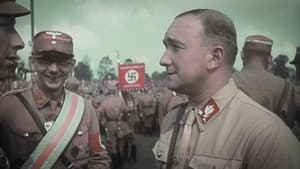
2 or 3 Things I Know About Him
What would your family reminiscences about dad sound like if he had been an early supporter of Hitler’s, a leader of the notorious SA and the Third Reich’s minister in charge of Slovakia, including its Final Solution? Executed as a war criminal in 1947, Hanns Ludin left behind a grieving widow and six young children, the youngest of whom became a filmmaker. It's a fascinating, maddening, sometimes even humorous look at what the director calls "a typical German story." (Film Forum)
2005
As the Crow Flies
Documentary film based on the artist Akbar Padamsee.
2004
Signatures of the Soul
Tattooing — "the world's oldest skin game" — is the subject of this iconic documentary. Writer/director Geoff Steven scored a major coup by signing Easy Rider legend Peter Fonda as his presenter. Travelling to Aotearoa, Samoa, Japan and the United States, the doco traces key developments in tattooing, including its importance in the Pacific, prison-inspired styles, and the influence of 1960s counterculture. Legendary tattooists feature (including Americans Ed Hardy and Jack Rudy), while the closing credits parade some eye-opening full body tattoos.
1984
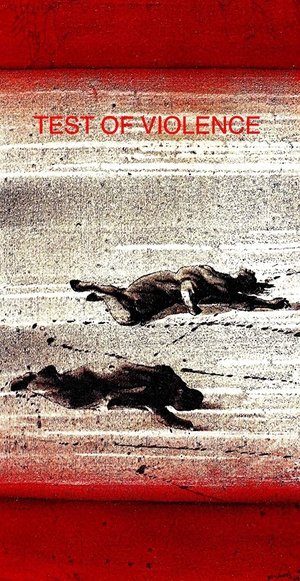
A Test of Violence
Stuart Cooper's short about the work of Spanish artist Juan Genovés is an inspired introduction to the works of this extraordinary artist, exploring its minimalist aesthetic and storytelling qualities through a variety of cinematic techniques, including rostrum, animation, news footage and live action recreations.
1969
Downside Up
How does a dying working class town end up betting its future on art? With 80% of its downtown buildings closed, North Adams, Massachusetts united blue-collar locals with art world luminaries to transform economic failure into America's largest center for contemporary art, MASS MoCA. A film by North Adams native Nancy Kelly, DOWNSIDE UP is about the tentative, dangerous notion of hope in a city widely viewed as hopeless.