Watch Ka Ke Ki Ku (1960) Online Free
This early work from Pierre Perrault, made in collaboration with René Bonnière, chronicles summer activities in the Innu communities of Unamenshipu (La Romaine) and Pakuashipi. Shot by noted cinematographer Michel Thomas-d’Hoste, it documents the construction of a traditional canoe, fishing along the Coucouchou River, a procession marking the Christian feast of the Assumption, and the departure of children for residential schools—an event presented here in an uncritical light. Perrault’s narration, delivered by an anonymous male voice, underscores the film’s outsider gaze on its Indigenous subjects. The film is from Au Pays de Neufve-France (1960), a series produced by Crawley Films, an important early Canadian producer of documentary films.
More Like This
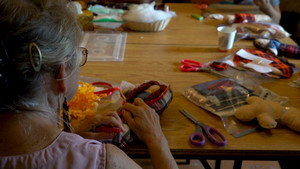
Healing Dolls
The testimonies of the Mashteuiatsh Puakuteu women's committee punctuate this intimate short film about mourning and healing. Throughout the doll-making workshops, the women share their doubts and hopes and build a space filled with strength and solidarity.
2026
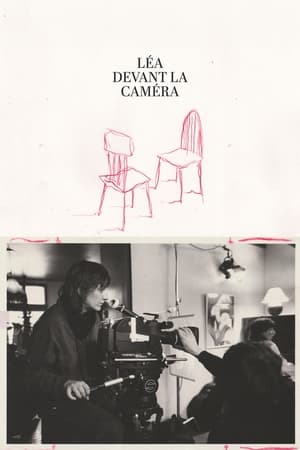
Léa devant la caméra
Revisiting her film set photos, director Léa Pool reflects on her prolific career. The filmmaker left Switzerland at the age of 25 to settle in Quebec and embark on a surprising career. She reinvents herself from film to film, exploring themes that deeply resonate with her: identity, exile, maternal absence, transitional spaces... In both documentary and fiction, she has directed 20 feature films that feature strong female characters and contemporary issues. Somewhere between a masterclass and an intimate conversation, this documentary invites Léa to share her cinematic journey in front of the camera.
2023
Where do I Belong
In a continuation of her first film We Are Not Speaking the Same Language, Danika explains what it feels like to be displaced Indigenous urban.
2022

SAQ : 100 ans d’histoire
To mark the 100th anniversary of the Société des alcools du Québec, Francis Reddy tells the exhilarating story of alcohol in Quebec from prohibition to promotion. With the help of historian Laurent Turcot and local producers, Reddy explores the unique relationship Quebecers have with alcohol and its place in their lifestyles over the years.
2021
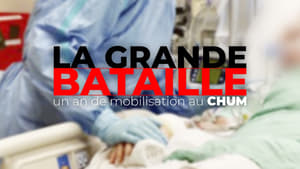
La grande bataille : un an de mobilisation au CHUM
In 2020, with the COVID-19 pandemic raging at historic proportions in the background, the Centre hospitalier de l’Université de Montréal (CHUM) decided it was its duty to posterity to document the crisis. The communications team took out the mics and cameras to capture what went on inside the hospital walls for one full year.
2021
La bataille de Rabaska
2018
Les Chinois dépannent
2018
Le goût d'un pays
Focused on an inspiring and touching dialogue between Gilles Vigneault and Fred Pellerin, the documentary tells the story of Quebec by digging deep into an ancestral tradition etched into our cultural DNA: the production of maple syrup.
2016
Anticosti: La chasse au pétrole extrême
2014
Golden Globe - Kanada - Der Osten
2013
Who We Are
Autism spectrum disorder (DSA) - It is not what they have, but what they are, who they are. They are Felix, Anthony, Marc and Brigitte. They are different.
2013
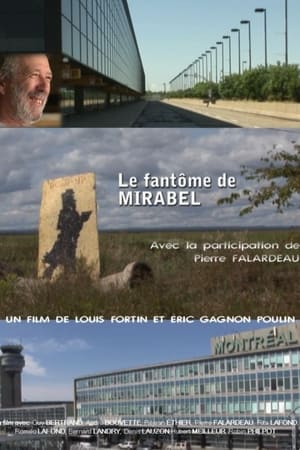
Le fantôme de Mirabel
2011

I Still Love Them
Michel is the charismatic subject of this documentary about following your sex drive. Sharing unique life experiences with great verve, an aging lothario strikes an honest and simply unforgettable pose.
2010

Jack Kerouac's Road: A Franco-American Odyssey
Part documentary, part drama, this film presents the life and work of Jack Kerouac, an American writer with Québec roots who became one of the most important spokesmen for his generation. Intercut with archival footage, photographs and interviews, this film takes apart the heroic myth and even returns to the childhood of the author whose life and work contributed greatly to the cultural, sexual and social revolution of the 1960s.
1987
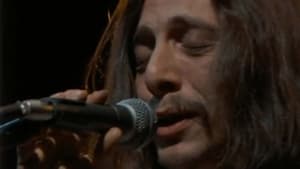
Harmonium in California
Through concerts and interviews, folk-progressive group Harmonium takes Quebec culture to California. This documentary full of colour and sound, filmed in California in 1978, recounts the ups and downs of the journey of the Quebec musical group Harmonium, who came to feel the pulse of Americans and see if culture, their culture, can succeed in crossing borders.
1980
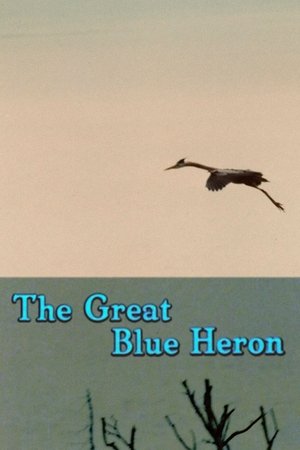
The Great Blue Heron
This film documents the yearly cycle of the great blue heron, its migration from Central America and the West Indies to the St. Lawrence River in Québec, and the breeding and rearing of its young. Outstanding footage shot by the filmmaker perched high in a tree affords close-ups of the birds' intricate courtship rituals. A sensitive, beautifully photographed nature film with much to tell us of ecology and wildlife.
1979
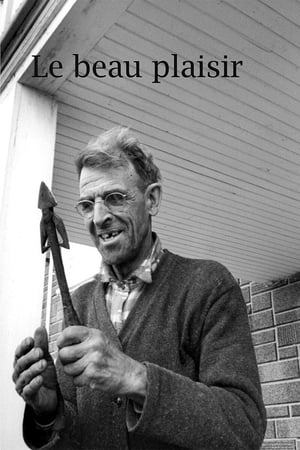
Beluga Days
From the lower St. Lawrence, a picture of whale hunting that looks more like a round-up, with a corral, whale-boys and all. In 1534, when he stopped at the island he named l'Île-aux-Coudres, Jacques Cartier saw how the Indians captured the little white beluga whales by setting a fence of saplings into off-shore mud. In the film, the islanders show that the old method still works, thanks to the trusting 'sea-pigs,' the same old tide, and a little magic.
1968
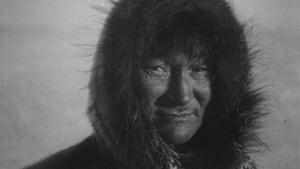
Nanook of the North
This pioneering documentary film depicts the lives of the indigenous Inuit people of Canada's northern Quebec region. Although the production contains some fictional elements, it vividly shows how its resourceful subjects survive in such a harsh climate, revealing how they construct their igloo homes and find food by hunting and fishing. The film also captures the beautiful, if unforgiving, frozen landscape of the Great White North, far removed from conventional civilization.
1922
Verglas 98