Watch Jazz in Love (2013) Online Free
Jazz in Love tells the story of Jazz, a young man from Davao whose dream wedding is within reach: his boyfriend of 11 months has proposed. Because no law allows him to get married in the Philippines, he must fly to Germany, his boyfriend's home country, and tie the knot there. One of the things that stand in his way is his inability to speak Deutsch, and to address that he must temporarily relocate to Manila for language lessons. Meanwhile, his parents remain completely unaware of the radical changes that his life is about to undergo.
Cast
Ernesto Tigaldao Jr., Theodor Rutkowski
More Like This
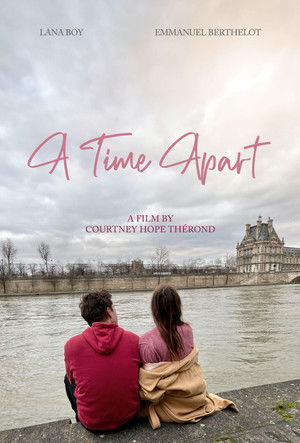
A Time Apart
Alyssa (Lana Boy) follows her artistic aspirations to Los Angeles, leaving behind her husband Luka (Emmanuel Berthelot), who promises to join her later. The pandemic-induced lockdowns force them apart, straining their relationship until the couple decides it’s best to separate. Upon returning to Paris to finalize her divorce, Alyssa finds herself engulfed in her past life with Luka and old friends, all of which have moved on. She starts to question whether she was selfish to leave her past life behind in pursuit of career goals. Should she have been happy with the “little life” she left behind? Could she have been?
2024

Postcard (Or, from afar, you are a mirage)
"The palm trees on the reverse are a delusion; so is the pink sand". This line, taken from a poem by Margaret Atwood, lights the path traced in "Postcard". As the years go by, landscapes transform, take on new meanings, and hold onto joys that will never be regained. The sea and the beach, once stages of happy summers, romances, and encounters, will turn into concentration camps or centers of detention and torture. This occurs across different times and places. In this piece, I embark on a journey through some of my works that explore the relationship between testimony, spaces, and time, engaging in dialogue with the beautiful film directed by Alejandro Segovia in 1972.
2024

Candy and Kiss
Maeda, a shy clothing store worker, secretly loves his charming manager, Yagii. When Yagii confesses his feelings, their romance faces challenges from distance and insecurities.
2015
Love Is a Verb
Love Is A Verb is an examination of a social movement of Sufi-inspired Sunni Muslims that began in Turkey in the l960s and now spans across the globe. The group is called Hizmet, the Turkish word for "service" or The Gülen Movement after its inspiration and teacher, Fethullah Gülen, a man TIME magazine named as one of the most influential leaders in the world in 2013 for "...preaching a message of tolerance."
2014
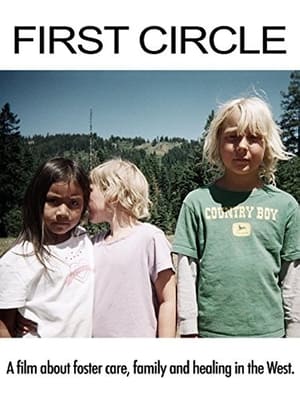
First Circle
Filmmaker Heather Rae trains her lens on America's foster care system and the plight of children whose families can no longer provide proper support.
2010
Tapestries of Hope
Tapestries of Hope is the story of filmmaker Michealene Cristini Risley who traveled to Zimbabwe to document the work of Betty Makoni and the Girl Child Network. The film exposes an issue that continues to be ignored: the rape and abuse of thousands of young girls in Zimbabwe by men who believe it will cure their HIV/AIDS.
2010
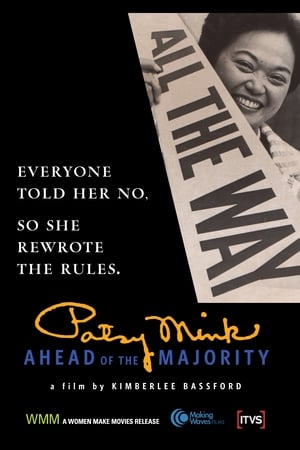
Patsy Mink: Ahead of the Majority
In 1965, Patsy Takemoto Mink became the first woman of color in the United States Congress. Seven years later, she ran for the US presidency and was the driving force behind Title IX, the landmark legislation that transformed women’s opportunities in higher education and athletics.
2008
The State of the World
Six directors, six independent films, six visions on the state of the world. Each carrying a unique and personal interpretation of a specific experience, their crossover creates new space for a dynamic and radical inquisitive reflection.
2007
Sueno
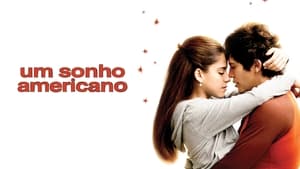
A Mexican immigrant new to Los Angeles enters into a love triangle with two very different women.
2005
The Trio
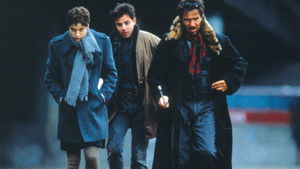
Zobel and Karl are a long time gay couple who live together in a trailer home with Lizzie, Zobel's spunky daughter from a heterosexual misadventure. Together these three form a team of thieves who eke out an existence as pickpockets. After a botched job, Karl becomes unable to work, forcing Zobel and Lizzie to seek out a new partner. Lizzie recruits Rudolf, the boyishly charming town misfit. Reluctantly, Zobel allows Rudolf to join them but warns him to never break the golden rule: "No exchanging of bodily fluids within the team." This dictum becomes increasingly difficult to live by as Lizzie's cravings and Zobel's own passions toward Rudolf intensify. Eventually, the golden rule is broken by Lizzie...and then again by Zobel (unbeknownst to Lizzie, of course). An intricate love triangle soon develops amongst the three that is shaped by deception, desire, and betrayal.
1998
Marcello Mastroianni: I Remember
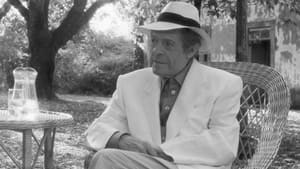
In 1996, Marcello Mastroianni talks about life as an actor. It's an anecdotal and philosophical memoir, moving from topic to topic, fully conscious of a man "of a certain age" looking back. He tells stories about Fellini and De Sica's direction, of using irony in performances, of constantly working (an actor tries to find himself in characters). He's diffident about prizes, celebrates Rome and Paris, salutes Naples and its people. He answers the question, why make bad films; recalls his father and grandfather, carpenters, his mother, deaf in her old age, and his brother, a film editor; he's modest about his looks. In repose, time's swift passage holds Mastroianni inward gaze.
1997
Suzanne Farrell: Elusive Muse
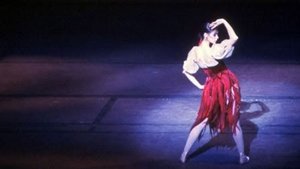
She came to the New York City Ballet as a teenager from Ohio and captured the heart and soul of the great Mr. B, inspiring the seminal ballets of her era and setting off a star-crossed love triangle as fevered and bizarre as anything in THE RED SHOES. As the greatest ballerina of her time looks back on her amazing career in Anne Belle and Deborah Dickson's intimate portrait, the on-stage triumphs and backstage turmoil come to vivid life.
1996
Meredith Monk
Profile of choreographer, composer and performer Meredith Monk, recorded on location in her home base, New York City. Monk discusses some ideas underlying her work: her attraction to the eloquence of the human voice, and the direct communication made possible by the abstract qualities of music; her emphasis on the poetic rather than the political; her belief in the power of images; her willingness to take risks. She describes her experiences in working in different media, such as audio recordings, films, and videos, and the challenge of weaving them together.
1994
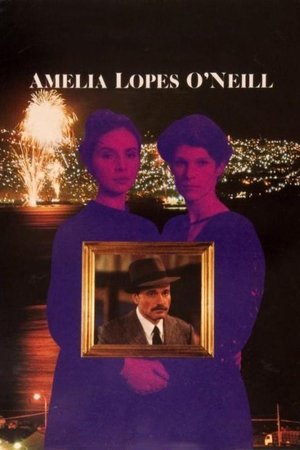
Amelia Lópes O'Neill
A well-bred young woman who prizes the virtue of fidelity remains faithful to the doctor who deflowers her, even after he marries her invalid sister.
1992
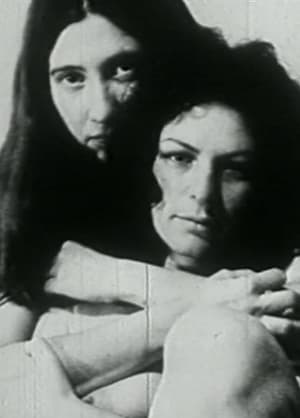
Susana
This short film is an autobiographical portrait of a young Argentine lesbian growing up in a homophobic environment.
1980
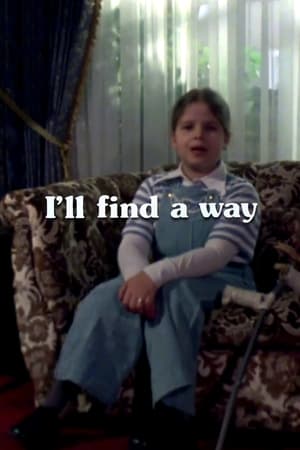
I'll Find a Way
When nine-year-old Nadia is allowed to attend a regular school, she knows the kids will tease her but she'll "find a way to deal with it." Nadia has spina bifida, a congenital condition that has caused a lack of sensation from the knees down. She uses crutches in order to walk. Nadia, in her own candid way, makes it clear that she is not looking for sympathy. She can do many things that children do, only she has a different way of doing them. Oscar® winner!
1977
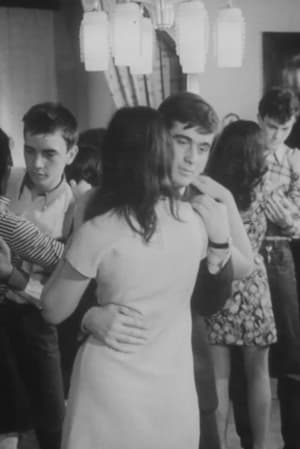
Adolescence
"This wonderful age in life where every thought strives toward an ideal, toward work, toward the future." Sahia Studios propaganda flick about how adults and their "those darn kids" attitudes affect adolescents.
1969
Jane Kennedy: To Be Free
A thought-provoking, humanistic portrait of a Chicago nurse who risked her personal freedom and was imprisoned in civil rights demonstrations and protests against the Vietnam War.
Factory
A cinema verite study of the world of the blue-collar worker and the economic and psychological bind in which he is caught.
1970
Birth and Death
This cinema-verite-style documentary interweaves the pregnancy and childbirth of a young woman with the lingering death of a cancer patient to comment on the celebration and tragedy of existence. The tenderness and intimacy of the young couple, and the mystery of birth are contrasted with the dignity of a man who faces his death without deception.
1968