Watch Japan Inc: Lessons for North America? (1981) Online Free
Discipline and productivity are more regimented in Japan than in many other parts of the world. For the Japanese, survival means doing things together rather than asserting North-American-style individualism. Japan's industry has automated and computerized at an unparalleled rate. Open-concept offices and collaborative work styles offer a model of the changing style of modern work that could inspire the West to modify their processes as well.
Cast
Stan Peters, Hideo Iso, Robert J. Ballon
More Like This
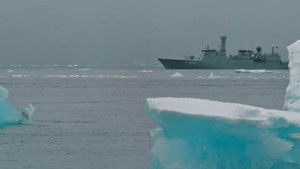
Groenland, annexe-moi si tu peux
Greenland, a semi-autonomous territory of Denmark, is currently at the center of international covetousness and tensions. In his rivalry with China for technological supremacy, Donald Trump has made the acquisition of this Arctic territory a priority in order to secure American control over rare earth elements, of which Greenland is believed to hold one of the world's largest reserves.
2025
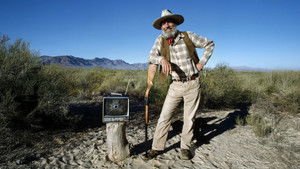
Edward Abbey, naturellement subversif !
A resistance writer and pioneer of nature writing with a controversial personality, Edward Abbey wrote more than twenty books on the theme of eternal nature. A gem of counterculture, his 1975 novel The Monkey Wrench Gang inspired a generation of environmental activists and readers with rebellious souls. Portrait of a rebellious, lyrical, and rude writer.
2025

K-pop, les secrets du phénomène mondial
It's the musical phenomenon of the moment: K-Pop, short for "Korean Pop," has taken the world by storm in just a few years. But behind the powerful lyrics, elaborate choreography, and polished looks lies a ruthless industry.
2024
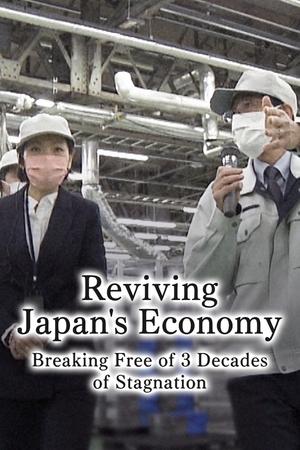
Reviving Japan's Economy: Breaking Free of 3 Decades of Stagnation
Three "lost" decades of economic stagnation since the collapse of Japan's bubble era have fundamentally altered the country's global image, and spawned the term "Cheap Japan." What will it take to truly revive Japan's economy once again? In a rapidly changing world, the question of how the globe's third largest economy can avoid being left behind is perhaps more pertinent than ever. Drawing on both expert guidance and in-depth analysis of a wide range of available data, we hunt for clues that might point the way to Japan's ever-elusive economic renaissance.
2023
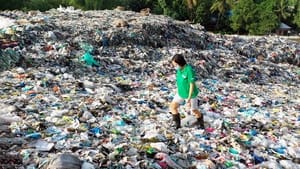
Why Plastic: Coca Cola/American Plastic
Whales beached after ingesting plastic, oceans soiled: a quarter of marine waste today comes from cans and plastic bottles. The drinks industry produces 470 billion single-use bottles each year, 25% of which come from Coca-Cola. Although the world's largest soft drink producer has set ambitious targets to prevent this environmental pollution, it has often failed to do so. In the 1950s, the company sold its drink exclusively in returnable glass bottles, which it washed and refilled. Two decades later, these were replaced by disposable bottles - a decision whose devastating effects still linger.
2021

The Cost of Cobalt
In the cobalt mining areas of Katanga in the Democratic Republic of the Congo (DRC), babies are being born with horrific birth defects. Scientists and doctors are finding increasing evidence of environmental pollution from industrial mining which, they believe, may be the cause of a range of malformations from cleft palate to some so serious the baby is stillborn. More than 60% of the world’s reserves of cobalt are in the DRC and this mineral is essential for the production of electric car batteries, which may be the key to reducing carbon emissions and to slowing climate change. In The Cost of Cobalt we meet the doctors treating the children affected and the scientists who are measuring the pollution. Cobalt may be part of the global solution to climate change, but is it right that Congo’s next generation pay the price with their health? Many are hoping that the more the world understands their plight, the more pressure will be put on the industry here to clean up its act.
2021

À la canne blanche
2019
Nokia Mobile: We Were Connecting People
Once upon a time there was a large Finnish company called Nokia that manufactured the world’s best and most innovative mobile phones. Nokia’s annual budget was larger than that of the Government of Finland and their phones spread everywhere and changed the whole culture of communication. But then something changed. Film portrays the rise and fall of Nokia and the Finnish mobile phone industry. Nokia engineers, designers and managers tell their story about the creation, success and downfall of the Finnish mobile phone.
2017
La zuppa del demonio
2014
The Price We Pay
A documentary on the history and present-day reality of big-business tax avoidance, which has seen multinationals depriving governments of trillions of dollars in tax revenues by harboring profits in offshore havens.
2014

Der grosse Kanton
Is the solution to Switzerland's future to integrate Germany into the confederation? After all, like Michael Ringier, CEO of the Ringier media group, says, blithely ignoring all minorities, we're very close in culture and language. Oskar Freysinger takes out his guitar and sings his answer. Politicians from French-speaking Switzerland and Ticino think expanding will help the country survive. The former German foreign minister thinks the two countries' traditions are too different. The banker Oswald Grübel is worried about Germany's debts, although he'd be prepared to take over its assets. With serious interviews interspersed with gags (boat people on Lake Constance, the last Habsburger as a peasant), Giaccobbo gathers off-the-cuff reactions which reveal a lot about the different mentalities. The movie laughs at preconceived notions, redefines neutrality and reflects on what designates a nation. Switzerland, which loves to teach the world a lesson, will soon helvetize the planet, oder?
2013
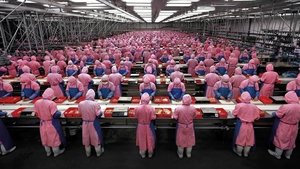
Manufactured Landscapes
MANUFACTURED LANDSCAPES is the striking new documentary on the world and work of renowned artist Edward Burtynsky. Internationally acclaimed for his large-scale photographs of “manufactured landscapes”—quarries, recycling yards, factories, mines and dams—Burtynsky creates stunningly beautiful art from civilization’s materials and debris.
2006

Origins
The story of Bill Hewlett, Dave Packard and the early days of Hewlett-Packard is the beating heart of the Silicon Valley phenomenon. Their legacy of leadership and success continues to inspire and influence the ongoing saga of technology. Origins, a documentary commissioned by HP, takes a look back on the founders and the values behind the viral business model that spread beyond geographical boundaries and seeded generations of Silicon Valley start-ups. Seamlessly merging photographs, oral histories and film footage with more recently filmed interviews of former managers, employees and company watchers, the meticulously researched Origins is an honest, affectionate look at the convictions that helped to create Silicon Valley and the ever-evolving quest for excellence.
2005
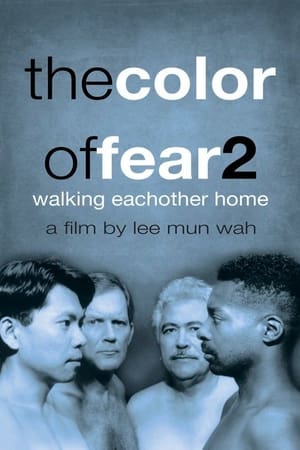
The Color of Fear 2: Walking Each Other Home
In THE COLOR OF FEAR, eight American men participated in emotionally charged discussions of racism. In this sequel, we hear and see more from those discussions, in which the men talk about about how racism has affected their lives in the United States. We also learn more about the relationships between them, and about their reactions during some of the most intense moments of that discussion.
1997
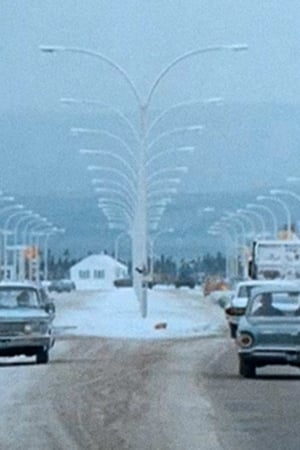
Québec...?
This short documentary film is a fascinating portrait of urban and rural Quebec in the late 1960s, as the province entered modernity. The collective work produced for the Quebec Ministry of Industry and Commerce calls on several major Quebec figures.
1967

Mondo Cane
A documentary consisting of a series of travelogue vignettes providing glimpses into cultural practices throughout the world intended to shock or surprise, including an insect banquet and a memorable look at a practicing South Pacific cargo cult.
1962
Hmoty zítřka
1961
Lobsters Unlimited
An overview of the lobster fishing industry in Nova Scotia.
1959
Grafická kontrola výroby
1951
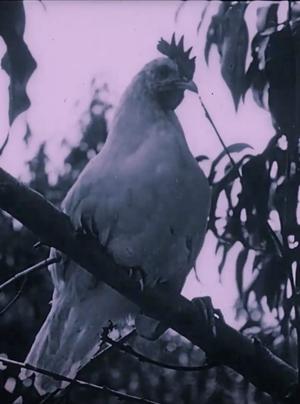
The Last Word in Chickens
This 10-minute short documentary exploring the shifting state of the American poultry industry was preserved in 2015 from an original nitrate print. More information is available on the film's page in the National Film Preservation Foundation's website, where this version can be found featuring original music by Michael D. Mortilla.
1924