Watch IMAX: Galapagos 3D (1999) Online Free
Retrace the groundbreaking footsteps of Charles Darwin with a young scientist as she explores the biological diversity and unique geologic history of the Galapagos archipelago. Using the magic of IMAX® and IMAX® 3D technology, plunge 3,000 feet into underground lava tubes, soar over the peaks of 5,000 foot volcanoes and encounter an abundance of marine life.
Cast
Kenneth Branagh, Carole Baldwin, John E. McCosker, David Pawson, Mathias Espinosa, Don Liberatore
More Like This

Guyane, vivre avec le jaguar
2024
Brasil At A Glance
A short filmed in Brasil (Brazil). The short showcases the Brazilian state of Minas Gerais, mainly the country side.
2024
Idjanga, la forêt aux gorilles
2022
Galápagos: Paraíso en Pérdida
"Galapagos: Paradise in Loss" is a documentary focused on the reflection on the relationship between human beings and nature, told from the perspective of the inhabitants of Santa Cruz Island in the Galapagos Islands.
2021
Greenland: in the Glare of Ice
Greenland is the largest island in the world and the landmass closest to the North Pole. 80% of the country is covered by a layer of ice up to 3000 meters thick. Through the eyes of locals we get to know the authentic Greenland.
2020
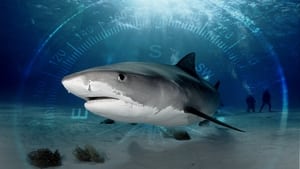
Sharks of the Bermuda Triangle
Marine biologist Dr. Austin Gallagher searches for the holy grail of shark research -- the secret breeding grounds of tiger sharks.
2020
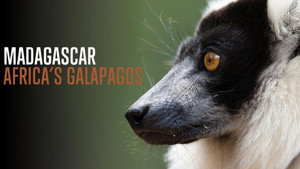
Madagascar: Africa's Galapagos
This film reveals some of Madagascar's secretive and rarely filmed inhabitants, from the apex predator, the fossa, to the aye aye – possibly the weirdest creature on earth.
2019
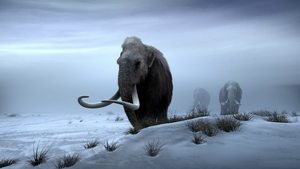
Titans of the Ice Age
Titans of the Ice Age transports viewers to the beautiful and otherworldly frozen landscapes of North America, Europe and Asia ten thousand years before modern civilization. Dazzling computer-generated imagery brings this mysterious era to life - from saber-toothed cats and giant sloths to the iconic mammoths, giants both feared and hunted by prehistoric humans.
2013
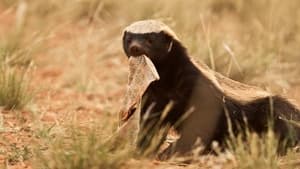
Ultimate Honey Badger
An orphaned honey badger’s journey to become the toughest hunter on the African savanna.
2013
Two Letters for Ana
A medium-length film that takes the central place in the video installation "The Lady of Corinth". In both the medium-length film and the installation, Guerin delves into the relationship between cinema and painting based on Pliny the Elder's account of the invention of painting.
2011

Orca Killing School
2009
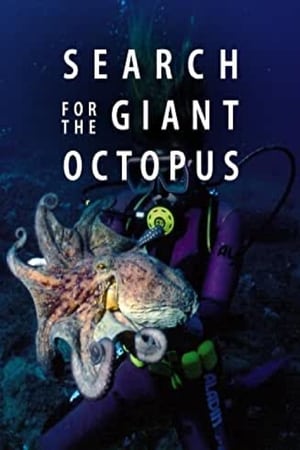
Search for the Giant Octopus
The waters of the North Pacific around Canada's Vancouver Island are a strange and little known world. The water is incredibly clean, the location is isolated and huge thermal vents heat the otherwise cold surrounding these factors combined have led to animals and plants that can grow to huge proportions. Humpback whales, orcas, wolf eels and bald eagles all thrive here. Our team of experts go in search of the elusive Pacific Giant Octopus. Growing up to 7.5 meters across with the power to kill sharks, it is a formidable creature, but also intelligent and incredibly shy. The dive team invites us into an alien world, where persistence is rewarded with encounters with three of these magnificent creatures.
2009
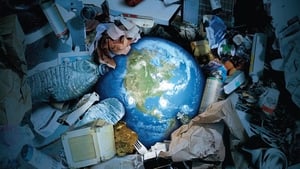
The 11th Hour
A look at the state of the global environment including visionary and practical solutions for restoring the planet's ecosystems. Featuring ongoing dialogues of experts from all over the world, including former Soviet Prime Minister Mikhail Gorbachev, renowned scientist Stephen Hawking, former head of the CIA R. James Woolse
2007
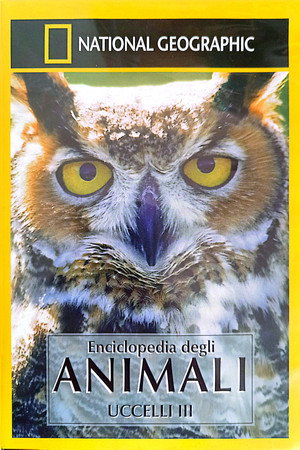
Owls: Silent Hunters
National Geographic Explorer takes an up close look at owls. It follows nature expert Fergus Beeley as he looks into why owls make such ideal nocturnal birds of prey. He also examines the fossil records to reveal that owls have been polishing their predatory skills for over 40 million years.
2001
3-D Halloween
Ghost hunters are on the trail of a supernatural phenomenon and legendary figures in Scotland. The forest of Duffus Castle - long one of Scotland's most powerful fortresses - is as much the scene of eerie encounters as Kilneuair Cemetery or Duart Castle on the Isle of Mull. Let the blue mist of eerie Scottish nights waft into your living room and experience the fascinating 3-D effects up close!
2000
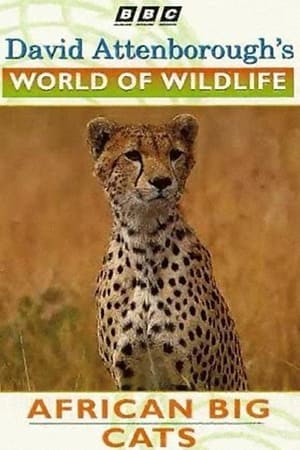
World of Wildlife: African Big Cats
Sir David Attenborough presents and narrates this wildlife series, a visual encyclopedia of the natural world. This episode looks at the fast, sleek and elegant cheetahs - supreme athletes and hunters of the animal world. Also the leopard, another deadly hunter, is observed in its natural habitat.
1995
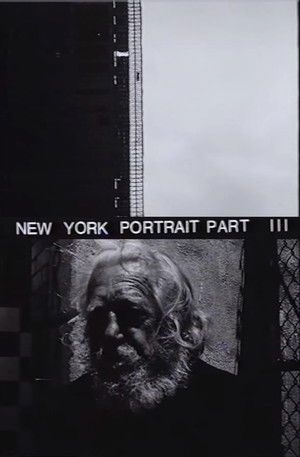
New York Portrait, Chapter III
"[Hutton’s] latest urban film, New York Portrait, Chapter III, takes on a unique tone in relation to Hutton’s ongoing exploration of rural landscape. The very fact that Hutton is dealing with older footage, with archives of memory more than immediacy, gives it a different texture than his earlier New York films. Hutton always found the presence of nature in the city, not only in his many shots of sky and vegetation, but also in the geometry and texture of the city itself, which seemed to project an independence from the human." (Tom Gunning)
1990

Birds of a Feather
Dr. Jim Bednarz and Brooke Prater, the two leads of the UNT American Kestrel Project, seek to find out why the widespread raptor is on the decline.
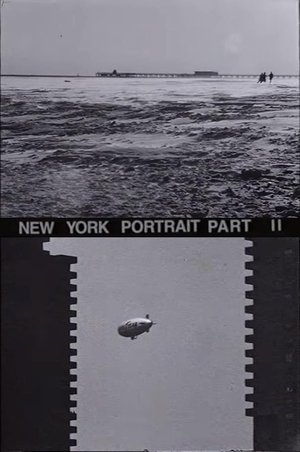
New York Portrait, Chapter II
Chapter Two represents a continuation of daily observations from the environment of Manhattan compiled over a period from 1980-1981. This is the second part of an extended life's portrait of New York.
1981
Clouds
Clouds 1969 by the British filmmaker Peter Gidal is a film comprised of ten minutes of looped footage of the sky, shot with a handheld camera using a zoom to achieve close-up images. Aside from the amorphous shapes of the clouds, the only forms to appear in the film are an aeroplane flying overhead and the side of a building, and these only as fleeting glimpses. The formless image of the sky and the repetition of the footage on a loop prevent any clear narrative development within the film. The minimal soundtrack consists of a sustained oscillating sine wave, consistently audible throughout the film without progression or climax. The work is shown as a projection and was not produced in an edition. The subject of the film can be said to be the material qualities of film itself: the grain, the light, the shadow and inconsistencies in the print.
1969